Cleaning seat cushions keeps furniture looking fresh and extends its life. This guide focuses on practical methods that work across common fabric types, using accessible tools many households already own. By following step-by-step instructions and safety tips, readers can remove spills, stains, and odors from sofa and chair cushions.
Quick Answer
Use a multi-step approach: vacuum to remove loose dirt, treat stains with a fabric-safe cleaner, blot to lift moisture, and finish with gentle drying. For stubborn soils, a fabric upholstery cleaner spray or a handheld upholstery cleaner kit can help; for routine refresh, a vacuum with an upholstery tool is ideal.
What You’ll Need
The following tools and products help cover most cushion cleaning tasks. Start with what you already own, then add specialty products as needed.
- Upholstery vacuum with appropriate attachment
- Fabric sofa cushion upholstery cleaner spray
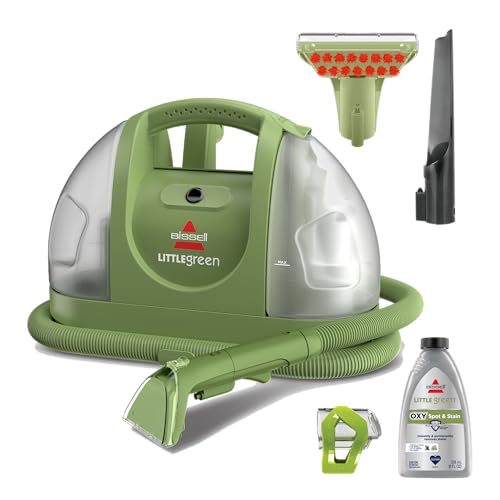
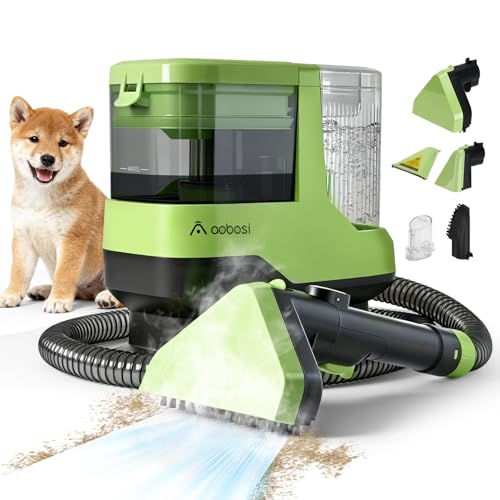
- Handheld upholstery cleaner kit for cushions
- Slipcover cushion fabric stain remover pen
- Up-to-date microfiber cloths or terry towels
- Small bowl of clean water and mild detergent
- Blotting paper or clean towels for moisture absorption

Before You Start
Before cleaning, test any cleaner on an inconspicuous area of the cushion to ensure no color bleeding or fabric damage occurs. Read product labels for spray directions and dwell times. Work in a well-ventilated area and avoid saturating cushions, which can lead to mold or odor. Time estimates vary by fabric and stain severity, typically 20–60 minutes for routine refresh and longer for deep stains. Do not use hot water on delicate fabrics, as it may set stains.
Step-By-Step: How To Clean Seat Cushions
- Vacuum the cushion surface thoroughly, including seams, to remove dust, pet hair, and loose soil.
- Identify stain type (protein-based, tannin-based, oil-based) and choose an appropriate cleaner or spray.
- Apply cleaner lightly to a small, hidden area to test for colorfastness; if safe, spray or dab onto the stain following product directions.
- Gently blot with a clean cloth to lift the stain; avoid rubbing, which can spread fibers and embed stains deeper.
- For tougher spots, use a handheld upholstery cleaner kit to extract moisture and dirt from the fabric.
- Rinse the area with a small amount of clean water or use a damp cloth to remove cleaner residues.
- Blot again with a dry towel to remove excess moisture; press from the outside toward the center to prevent spreading.
- Allow cushions to air-dry completely, preferably in a well-ventilated space or near a fan; rotate cushions if needed to promote even drying.
- Once dry, lightly brush the fabric with a clean, dry brush to restore nap and appearance.
- For odors, sprinkle a small amount of baking soda once fully dry, wait 15–30 minutes, then vacuum again.
- If colors fade or staining recurs, consider repeating the process or using a fabric-specific stain remover pen on fresh stains.
- Reassemble cushions and check for damp spots after a full day of drying to ensure no hidden moisture remains.
Troubleshooting
| Symptom | Likely Cause | Fix | Prevention |
|---|---|---|---|
| Stain persists after cleaning | Stain embedded in fibers | Reapply cleaner and blot with a cleaner-saturated cloth | Treat stains promptly |
| Fabric softens or pills | Over-wetting or aggressive agitation | Limit water and avoid harsh scrubbing | Use gentler cleaning methods |
| Fabrics color bleed | Non-colorfast dye or improper test | Spot-test before large area cleaning; choose color-safe products | Test first, then proceed |
| Persistent odor | Moisture trapped in cushion core | Increase air circulation, use baking soda after drying | Ensure thorough drying |
| Water stains appear | Excess moisture during cleaning | Blot and press with towels; use fans to speed drying | Avoid over-wetting |
Common Mistakes
- Using hot water on delicate fabrics, which can set stains
- Over-saturating cushions, leading to mold or odor
- Rubbing vigorously, which damages fibers and spreads stains
- Skipping a colorfastness test before applying cleaners
- Neglecting thorough drying, causing musty smells
Tips For Best Results
- Address spills immediately by blotting with a clean cloth and cold water where appropriate
- Keep a small supply of the recommended cleaners on hand for quick spot treatment
- Rotate cushions regularly to ensure even wear and cleaning coverage
- Use scent-free cleaners if sensitive household members must avoid fragrances
- For multi-fabric sofas, follow the care label guidance and avoid cleaners not approved for certain fabrics
Call A Professional
Consider professional help if cushions are heavily soiled, damaged, or have persistent odors despite treatment. Seek assistance when the fabric label prohibits home cleaning, or when stains are large, set, or tied to dyes that may bleed. Signs that a pro is needed include color transfer to a cloth during blotting, or cushions that remain damp for more than 24 hours after cleaning.
FAQ
Can I use a steam cleaner on seat cushions?
Steam can be effective for certain fabrics and light soils, but test first and follow fabric care labels. Steam should be applied indirectly and in short bursts to avoid oversaturation.
Is it safe to use a fabric stain remover pen on cushions?
Yes, if the pen is labeled safe for the cushion fabric type. Test on a hidden area before applying to visible stains.
What if my cushion is covered by a slipcover?
Clean the slipcover separately per its care label; any residue on the cushion should be addressed with mild cleaners and careful blotting.
How long does it take cushions to dry after cleaning?
Drying times vary by fabric and ventilation; typically 2–24 hours. Use fans to speed up drying and avoid sitting on cushions until fully dry.
Are handheld upholstery cleaners worth it?
For frequent cleanings or tough stains, handheld cleaners offer targeted extraction and convenience for cushions.
Should I vacuum before or after cleaning?
Vacuum before cleaning to remove loose dirt; vacuum again after cleaning to lift fibers and remove any loosened debris.
Buying Guide
When choosing tools for seat cushion cleaning, consider size, noise, energy efficiency, controls, and placement in the home. A compact vacuum with an upholstery tool can reach tight seams, while an upright or handheld upholstery cleaner kit offers deeper extraction for stubborn stains. Look for low-noise options to keep living spaces comfortable. For frequent cleaning, select a model with adjustable suction and multiple spray or extraction modes. If storage space is limited, choose portable, lightweight devices that can be stowed easily. Consider placing a dedicated cleaning kit near the living room for quick access, and ensure any purchases include safe-for-fabric spray options suitable for your cushion types.