Scrub Daddy sponges are popular for tackling tough grime without scratching nonstick surfaces. Proper cleaning extends their life and keeps your kitchen smelling fresh. This guide walks American readers through simple care steps, compatible cleaning routines, and practical tips to prevent buildup.
Quick Answer
Rinse after each use, wash with warm soapy water, and air-dry completely. For deeper cleaning, soak in a mild sanitizer solution or run through a hot dishwasher cycle if permitted by the sponge material. Replace periodically to maintain effective cleaning power.
What You’ll Need
- Scrub Daddy replacement sponge pack
- Scrub Daddy cleaning kit dish sponges set
- soft non-scratch dish scrub brush set
- kitchen sponge holder with drain
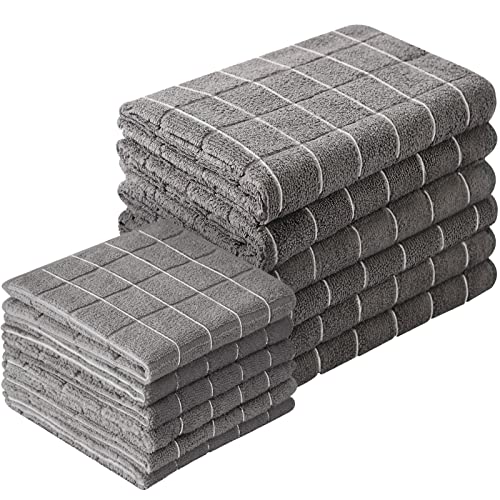
- microfiber kitchen towel set for cleaning


Before You Start
Before cleaning, inspect sponges for deep cuts, tears, or lingering odors. Discard damaged pieces to avoid bacteria hiding in crevices. Use warm water and a mild dish soap to prevent material breakdown. Allow time for drying to prevent mildew. Avoid harsh bleach or highly abrasive cleaners that can degrade the sponge’s texture and performance. Plan for a cleaning brief that fits typical kitchen routines—most people do a quick rinse daily and a deeper refresh weekly.
Step-By-Step: How To Clean Scrub Daddy Sponges
- Rinse the sponge under warm running water to remove loose debris.
- Wipe with a small amount of mild dish soap and rub gently to dislodge stuck-on residue.
- Rinse thoroughly until no soap residue remains.
- Air-dry the sponge on a elevated rack or place it in a kitchen sponge holder with drain to promote quick drying.
- For deeper cleaning, soak the sponge in a cup of warm water with a splash of white vinegar for 10–15 minutes.
- Rinse again and squeeze out excess moisture before reuse.
- Every so often, run the sponge through a hot dishwasher cycle if the packaging allows it, or sanitize in a microwave-safe cup with water for 1–2 minutes (ensure the sponge is damp and microwave-safe).
- Let the sponge cool before handling to avoid burns and ensure complete drying.
- Store sponges separately from other utensils in the kitchen sponge holder with drain to minimize cross-contamination.
- Replace spent sponges on a regular schedule or when they show signs of tearing or persistent odor.
- If using a soft non-scratch dish scrub brush set, rinse brush bristles after every use and air-dry to prevent mold.
- Keep a dedicated microfiber towel set handy for quick drying and buffing of dishes to reduce soap scum buildup.
Troubleshooting
| Symptom | Likely Cause | Fix | Prevention |
|---|---|---|---|
| Persistent odor | Bacteria trapped in sponge fibers | Soak in vinegar solution; replace if odor returns | Rinse thoroughly after each use; dry completely |
| Streaks on dishes | Soap residue or dirty sponge | Rinse well; use fresh soap; sanitize periodically | Keep sponge separate from towels until fully dry |
| Sponge tearing | Excessive scrubbing on rough surfaces | Switch to a gentler brush for tough grime and replace sponge | Use soft non-scratch scrub set for hard jobs |
| Slow drying | Moist environment or crowded storage | Move to an open rack; use drain-equipped holder | Avoid stacking damp sponges |
Common Mistakes
- Using abrasive cleaners that damage the sponge material
- Leaving sponges soaking in water for extended periods
- Using the same sponge for raw meat and other foods without sanitizing
- Not allowing complete air-dry between uses, promoting mildew
By avoiding these missteps, sponges stay cleaner longer and perform better across kitchen tasks.
Tips For Best Results
- Label sponges for different tasks (dishes, counters, and meat) to reduce cross-contamination.
- Pair sponges with a microfiber kitchen towel set for quick wipe-downs and streak-free drying.
- Use the kitchen sponge holder with drain to promote airflow and fast drying after each use.
- Schedule a monthly deep clean: a vinegar soak or dishwasher cycle helps extend life and freshness.
Call A Professional
Professional cleaning is not typically required for household sponges. Seek expert help if you notice persistent mold growth that cannot be removed with standard sanitizing, or if your cleaning tools show recurring failures beyond routine maintenance.
FAQ
Can Scrub Daddy sponges go in the microwave?
Yes, if the sponge is damp and the manufacturer’s guidance allows it, a quick microwave sanitize can be effective.
How often should I replace Scrub Daddy sponges?
Replace when they show wear, persistent odor, or reduced scrubbing efficiency.
Is it safe to use vinegar to sanitize Scrub Daddy sponges?
Yes, a mild vinegar soak is generally safe and effective for odor and bacteria control.
Can I use a dishwasher to clean Scrub Daddy sponges?
Some sponges tolerate dishwasher cycles; check packaging and avoid high-heat cycles if not recommended.
What’s the best way to dry sponges?
Air-dry on a rack or in a sponge holder that drains to promote quick drying and reduce mildew risk.
Buying Guide
The following factors help readers choose the right cleaning tools for their kitchen sponge needs:
- Sponge size and shape: Larger replacements cover more surface area; compact designs fit tight spaces.
- Material and texture: Non-scratch surfaces prevent damage to nonstick cookware; denser sponges hold more soap and debris.
- Cleaning performance: Look for dual-sided options that combine scrubbing power with gentler wiping surfaces.
- Durability and life span: Reusable sets should resist tearing under normal use; consider a replacement schedule.
- Storage and drying: A |kitchen sponge holder with drain| keeps sponges dry and accessible.
- Maintenance needs: Easy sanitizing methods (dishwasher, microwave, or vinegar soak) are a plus.
- Cost and value: Compare multi-pack options with included accessories like cleaning kits or microfiber towels for overall value.
- Placement: Keep sponges near the sink or in a drainage-enabled holder for quick, hygienic access.
Thinking about a complete cleaning system? A Scrub Daddy cleaning kit dish sponges set paired with a kitchen sponge holder with drain and a microfiber kitchen towel set for cleaning can streamline daily routines while keeping surfaces spotless.