satin fabrics require careful handling to preserve their sheen and shape. This guide explains practical, step-by-step methods tailored for cotton, silk, and synthetic satin blends, with a focus on safe at-home cleaning. Using the right tools helps prevent damage and keeps the fabric looking its best.
Quick Answer
Treat stains first, use gentle detergents designed for satin, and air-dry or steam carefully. For most satin dresses, spot-clean with a delicate fabric detergent, wash gently in a garment bag, and avoid high heat. When in doubt, test on an inconspicuous area before full cleaning.
What You’ll Need
- delicate fabric detergent for satin dresses
- garment wash bag for satin and silk
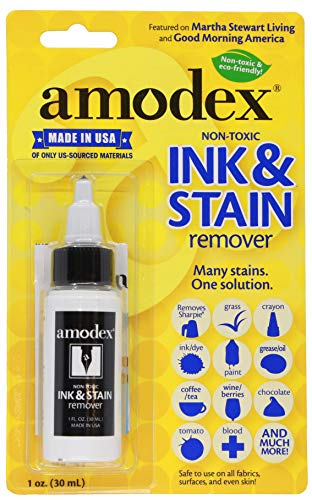
- stain remover pen for satin fabric
- garment steamer for delicate fabrics satin care
- satin dress washing kit

Before You Start
Check the care label on the dress for specific instructions. Satin is prone to snagging, water spots, and heat damage, so handle with care. Test any product on a hidden seam or hem first. Plan a clean workspace and work in a well-lit area. Time estimate: 30–60 minutes for spot-cleaning, 60–90 minutes for a full wash and dry cycle. Important: never wring satin and avoid chlorine bleach; use only gentle options appropriate for delicate fabrics.
Step-By-Step: How To Clean Satin Dress
- Identify the fabric type and stain. If unsure, perform a small test spot with a gentle detergent solution.
- Blot (do not rub) any fresh spills with a clean, white cloth to lift excess liquid.
- Prepare a basin with cool water and a small amount of delicate fabric detergent for satin dresses. Submerge gently if the care label allows.
- For spot stains, apply a stain remover pen for satin fabric to the affected area and blot lightly with a clean cloth.
- Place the dress in a garment wash bag for satin and silk to protect the fabric during any machine-friendly wash, if permitted by the label.
- Run a short, gentle cycle with cold water. If the label forbids machine washing, hand wash with the same mild detergent and cool water.
- Remove from the bag or basin promptly and press out excess water by laying the dress flat on a towel; roll gently to absorb moisture.
- Lay flat or hang to air-dry away from direct sunlight and heat sources. Use a garment steamer for delicate fabrics satin care to remove wrinkles, holding the steamer a few inches away.
- For stubborn wrinkles, use a low-heat iron with a pressing cloth or switch to a steam setting, avoiding direct contact with the fabric surface.
- Inspect the dress after drying. If any stain remains, repeat the appropriate spot-clean step only on the stained area.
- Store clean satin dresses on padded hangers or folded with tissue to maintain shape and sheen.
Troubleshooting
| Symptom | Likely Cause | Fix | Prevention |
|---|---|---|---|
| Water spots after air-drying | Direct sun exposure or mineral deposits | Re-steam with distance from the fabric | Dry in a shaded area; use distilled water if possible |
| Fabric snagging | Rough surfaces or jewelry rubbing | Wear a satin-safe garment bag during washing | Keep jewelry away during handling |
| Stubborn oil stain | Food or body oils | Apply stain remover pen and blot, then repeat | Pre-treat oils promptly |
| Wrinkled texture after drying | Improper drying or heat exposure | Steam from distance or use cool iron with cloth | Air-dry flat or on a padded hanger |
Common Mistakes
- Using hot water or high heat on satin, which can shrink or damage fibers.
- Rubbing stains aggressively, which can spread pigment and create halos.
- Washing satin without a protective garment bag when the label allows.
- Neglecting to test cleaners on an inconspicuous area first.
- Ignoring care labels that specify dry clean only.
Careful handling minimizes damage and preserves the satin’s luxurious drape and shine.
Tips For Best Results
- Always perform a color-fast test before applying cleaners to satin fabrics.
- Use the gentlest detergent designed for satin or delicate fabrics to protect the fiber finish.
- When in doubt, opt for professional cleaning, especially for vintage or highly embellished satin pieces.
- Store satin dresses in a breathable garment bag to prevent yellowing and dust accumulation.
Call A Professional
Choose a professional cleaner if the dress has complex beading, embroidery, or delicate lining that could be damaged by home methods. Seek help if stains are extensive or if the fabric is labeled dry clean only. Stop any attempt if you notice color bleeding, shrinking, or woven texture distortion.
FAQ
Can I machine wash satin dresses at home?
Only if the care label explicitly allows machine washing and you use a delicate cycle with a garment bag.
Is it safe to use bleach on satin?
No. Bleach can weaken fibers and cause discoloration; use color-safe, satin-approved products.
How should I remove sweat stains from satin?
Gently dab with a mild detergent solution or a stain remover pen designed for satin, then rinse and air-dry.
What’s the best way to iron satin?
Use a low heat setting and place a pressing cloth between the iron and fabric; a garment steamer is often safer.
How long does satin dress care typically take?
Spot cleaning takes minutes; full washing and drying can take 1–2 hours, plus drying time.
Can satin be washed with other fabrics?
Avoid mixing with heavy fabrics—wash satin separately or with similar delicate items in a garment bag.
Buying Guide
When choosing satin care products, consider size, material compatibility, and packaging that suits at-home cleaning routines. Satin fabrics vary—look for gentle, pH-balanced formulas and stain removers designed for delicate fibers. Noise levels and energy use are not typically relevant for detergents, but consider environmentally friendly and fragrance-free options if you have sensitive skin. For storage, select breathable bags and soft hangers to minimize creasing. If you frequently clean satin, invest in a dedicated satin dress washing kit that includes a gentle detergent, a garment bag, a steamer, and a stain-removal tool. Would you benefit from a compact steamer for travel or a full-size home setup? This depends on closet size, cleaning frequency, and willingness to take preventive steps like pre-treating stains promptly.