Sailing requires well-maintained sails, and keeping them clean helps extend their life and performance. This guide covers practical, user-friendly steps for cleaning sailcloth, including when to use specialized cleaners and how to avoid damaging delicate fibers. The approach focuses on safe, effective methods suitable for American boat owners and boatyards alike.
Whether you manage a small cruising sailboat or outfit a racing vessel, proper cleaning removes salt, mildew, and dirt that can degrade fabric and reduce sail efficiency. The methods below emphasize gentle tools and purpose-built cleaners to preserve color, strength, and UV protection while restoring a crisp, renewed surface.
Quick Answer
Fast method: For routine cleaning, use a mild sailcloth cleaner and a soft-bristle brush, then rinse with clean water. For mildew, apply a targeted mildew remover, then scrub lightly and rinse. Rinse thoroughly and dry in shade to prevent sun damage.
What You’ll Need
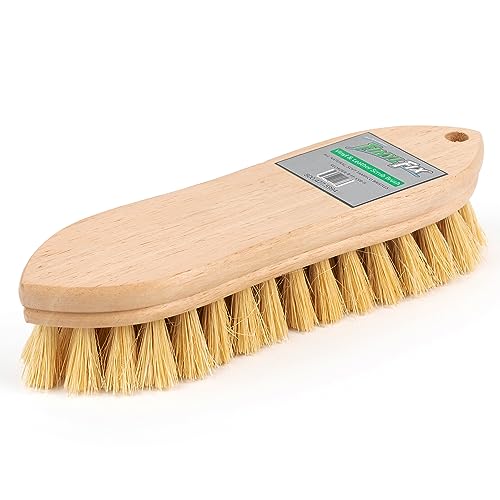
- Soft bristle marine canvas sail cleaning brush for gentle agitation
- Telescoping boat wash brush for sails to reach high or wide sail sections
- 32 oz mildew remover spray for sailcloth fabric for mold and mildew spots
- Marine sailcloth cleaner concentrated soap 1 gallon as a versatile cleaning base
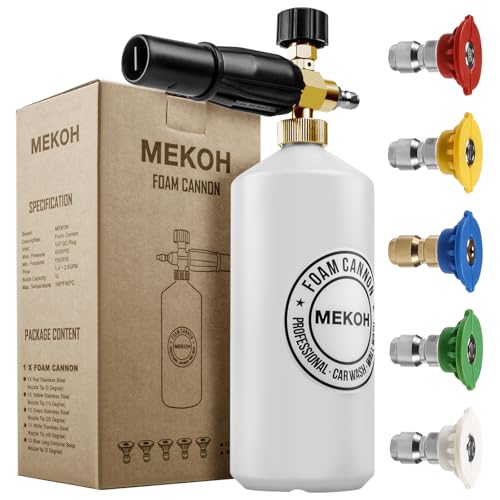
- High pressure washer for boats with marine soap attachment for heavy soiling (use with caution)

Before You Start
Assess the sail condition before cleaning. If fabric shows tears, fraying, or loose stitching, address repairs first. Work in a shaded area to minimize sun damage and heat buildup. Protect deck and rigging with a tarp or plastic sheeting. Test cleaners on a small, inconspicuous area to ensure colorfastness. Avoid bleach or solvent-based cleaners that can degrade sailcloth.
Plan for a thorough but staged cleaning session. Drying sails may require a sheltered area or a mast cradle setup to ensure even drying. Have extra hands available for hoisting and lowering sails if necessary.
Step-By-Step: How To Clean Sails
- Remove loose dirt and salt by rinsing sails with clean fresh water, using a spray wand or hose with gentle pressure.
- Mix a diluted solution of marine sailcloth cleaner concentrated soap according to the product instructions. Start with a mild mix and adjust for heavier soiling.
- Apply the cleaner to the sail using a soft bristle marine canvas sail cleaning brush or telescoping boat wash brush for sails, working in sections from the leech to the luff.
- Gently scrub with broad, overlapping strokes to lift dirt without abrading the fibers. Rinse the area thoroughly before it dries to prevent soap residue.
- For mildew spots, spray the 32 oz mildew remover spray for sailcloth fabric on affected areas, allow a short dwell time, then scrub lightly and rinse completely.
- If heavily soiled, use a high pressure washer for boats with marine soap attachment on a low setting and without direct contact on any stitching seams. Maintain a safe distance and angle to avoid fabric damage.
- Rinse again with clean water to remove all cleaner residue. Inspect for any missed spots and repeat treatment as needed.
- Hang sails in a shaded, well-ventilated area to dry fully. Avoid direct sunlight until the fabric is fully dry to prevent UV-related fading or stiffness.
- Once dry, re-inspect for cleanliness, and store sails in a dry, ventilated space to prevent mildew recurrence.
- Document any fabric wear or stitching issues for future maintenance planning and potential professional inspection.
Troubleshooting
| Symptom | Likely Cause | Fix | Prevention |
|---|---|---|---|
| Sail remains stained after cleaning | Residue buildup or ingrained stains | Repeat cleaning cycle with mildew remover on affected spots | Pre-clean with correct dilution; avoid concentrated soaps on delicate areas |
| Color fading after cleaning | Excessive sun exposure during drying | Dry in shade or indoors; use UV-protective storage | Limit sun exposure during the drying phase |
| Stiffness or crunchy feel | Over-drying or improper rinsing | Ensure thorough rinse and gradual air drying | Avoid overloading with cleaners |
| Stitch seams show water leakage | Fabric saturated near seams | Reduce water pressure near seams; check for seam damage | Inspect seams regularly and repair promptly |
Common Mistakes
- Using harsh household cleaners that damage sailcloth fibers
- Rinsing with high-pressure settings directly on seams or hardware
- Allowing sails to dry in direct, hot sun for long periods
- Skipping a test patch before applying cleaners to the full sail
Tips For Best Results
- Clean sails on a calm day with low wind to minimize additional dirt exposure during drying.
- Work in small sections to avoid contact time that could degrade fibers.
- Use a dedicated sailcloth cleaner and mildew remover instead of general-purpose cleaners for best results.
- After cleaning, consider reapplying a sailcloth protectant or UV inhibitor if recommended by the fabric manufacturer.
Call A Professional
Stop and call a professional if sails exhibit significant mold growth that penetrates the fabric, large tears, or loose stitching. If cleaning requires removal from the mast or professional-grade equipment, seek certified marine upholstery or sailmakers for repairs and conservation guidance.
FAQ
What is the best cleaner for sailcloth?
Use a dedicated marine sailcloth cleaner or a mild soap formulated for fabrics along with a soft-bristle brush to avoid fiber damage.
Can I use a high-pressure washer on sails?
High-pressure washers can be used cautiously on boats, but keep distance and pressure low to avoid fabric damage or forcing water into seams.
How should sails dry after washing?
Dry sails in a shaded, well-ventilated area to prevent UV fading and fiber stiffening; fully dry before storage.
How often should sails be cleaned?
Cleaning frequency depends on usage and exposure, but routinely washing after heavy saltwater trips and at season changes helps maintain sail longevity.
Are mildew removers safe for sailcloth?
Yes, when used as directed on sailcloth fabrics, mildew removers can safely remove mold and mildew without harming fibers.
Should I test cleaners before full application?
Yes, test on a small, inconspicuous area to ensure colorfastness and fiber compatibility.
Buying Guide
When shopping for sail-cleaning supplies, consider size, compatibility, and ease of use. Key buying factors include:
- Sail cleaning tools—soft-bristle brushes and telescoping handles help reach all areas without damaging fabric.
- Cleaner types—choose sailcloth cleaner concentrate and mildew remover designed for marine fabric to ensure safe, effective cleaning.
- Stain and mildew treatment—select sprays that target mildew with minimal risk to colors and fibers.
- Water pressure tools—a marine-use high-pressure washer attachment offers powerful cleaning while protecting sail material with proper technique.
- Storage and drying—consider portable drying racks or shade-protected spaces to extend sail life between cleanings.
In a practical sense, evaluate how often you clean, the climate you sail in, and how you manage storage. For many boat owners, a combination of a soft brush, targeted cleaners, and careful drying yields best results. If you routinely sail in humid or salt-laden environments, plan a maintenance routine that includes mildew prevention and periodic deep cleaning.