Rusty garden tools can hinder performance and shorten their life. With the right approach and a few targeted products, homeowners can restore existing tools and extend their usefulness. This guide outlines practical steps, safety considerations, and product options commonly available in American households and hardware stores.
Quick Answer
Best first step: remove loose rust with a stiff brush, then treat remaining rust with a dedicated rust remover or rust converter, followed by polishing and a protective coating to slow future corrosion.
What You’ll Need
The following tools and products are commonly used to clean and restore rusted garden tools. Use each item as appropriate for the level of corrosion you encounter.
- Evaporust rust remover for garden tools 32 oz
- Rust converter for hand tools garden tools
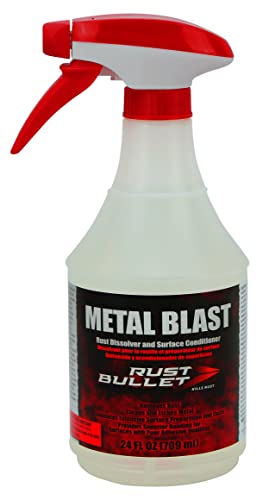
- Rust remover spray for metal tools
- Metal polish for rusted garden tools
- Protective rust-inhibiting coating for hand tools


Before You Start
Safety comes first. Wear eye protection and gloves when scrubbing and applying chemical products. Work in a well-ventilated area to avoid fumes. Protect surrounding surfaces with newspaper or plastic, and wipe tools dry after treatment to prevent new rust formation. Estimate 30 minutes for light rust, or up to a few hours for heavy corrosion, including soaking and multiple steps. Avoid using high-heat methods or sharp implements that could cut you or damage the tool.
Step-By-Step: How To Clean Rusty Garden Tools
- Inspect each tool to assess rust depth and any structural damage such as cracks or loose joints.
- Remove loose rust with a stiff-bristle brush or steel wool, working with the grain of the metal where possible.
- Apply a rust remover spray for metal tools or use Evaporust rust remover for garden tools. Follow label directions and allow adequate dwell time.
- Rinse and dry tools thoroughly to halt the chemical reaction and prevent new rust from forming.
- If rust persists, apply a rust converter for hand tools garden tools to stabilize remaining oxidation and create a primed surface.
- Buff the treated surfaces with a clean cloth to remove any residue and reveal a smoother finish.
- Polish rusted surfaces with metal polish for rusted garden tools to restore shine and add a protective layer.
- Wipe down and dry tool handles completely. If handles are wooden, apply a suitable protective sealer or conditioner to prevent cracking.
- Apply protective rust-inhibiting coating for hand tools as a final shield against moisture and future rust.
- Reassemble any parts and adjust or sharpen blades if needed, ensuring smooth operation before storage.
- Store tools in a dry, temperate area with a protective coating renewed periodically, especially after exposure to rain or humidity.
Troubleshooting
| Symptom | Likely Cause | Fix | Prevention |
|---|---|---|---|
| Tool oxidizes again after treatment | Moist environment or inadequate coating | Reapply rust-inhibiting coating; store dry | Keep tools off concrete and use silica gel or a dehumidifier in storage |
| Blue or black discoloration after polishing | Residual cleaner or rust remover residue | Rinse thoroughly and dry completely | Follow label wash and dry steps exactly |
| Blades still stiff after treatment | Tarnish or pitting not fully removed | Repeat rust remover step or use a fine abrasive | Avoid aggressive scraping that can create new pits |
| Handles feel loose or cracked | Old or degraded wood/plastic | Replace handles or treat with appropriate conditioner | Inspect periodically and re-tighten hardware |
Common Mistakes
- Skipping thorough drying after chemical treatment, inviting quick re-rust.
- Overlooking minor rust spots that can grow into larger issues over time.
- Using metal polish without cleaning off chemical residues first.
- Applying coatings unevenly, leaving thin patches that trap moisture.
- Storing tools in damp places or directly on concrete surfaces.
Tips For Best Results
- Test a small area first when using rust converters or removers to ensure compatibility with tool material.
- Work sections in manageable batches to prevent residues from drying on surfaces.
- Combine mechanical cleaning with chemical treatments for heavier rust—start with scraping, finish with a remover.
- Use a fine-grit abrasive if pitting is shallow, then follow with a polish for a smooth finish.
- Long-term storage: apply a light protective coating and store tools in a dry space with airflow.
Call A Professional
Consider contacting a professional if tools show extensive structural damage, major cracks in metal, or if blades are severely corroded to the point of brittle failure. Seek expert help for heat treatment or professional sharpening when tools are essential for regular use or high-value equipment.
FAQ
Can I use steel wool on all tools?
Steel wool is effective for most metal parts but may scratch delicate finishes on coated surfaces; test a small area first.
Is Evaporust safe for garden tools?
Yes, Evaporust is designed for metal restoration and is generally safe when used as directed; rinse and dry after use.
How long does rust converter take to cure?
Cure times vary by product; follow the manufacturer’s instructions and allow adequate dry time before use or coating.
What’s the best long-term protection for metal tools?
Apply a protective rust-inhibiting coating and store tools in a dry, well-ventilated area to minimize future rust.
Buying Guide
When choosing products to clean and protect rusty garden tools, consider size, effectiveness, and compatibility with tool materials. Questions to ask include: How deep is the rust, and will a rust converter suffice or is a stronger remover needed? How important is a long-lasting protective coating in your climate?
Key factors to evaluate:
- Size and coverage: For larger tools, a 32 oz bottle of rust remover or spray may be more economical.
- Effectiveness: Heavy rust may require a combination approach using remover, converter, and polish.
- Energy and ease of use: Sprays are convenient for tight areas; liquids may require soaking for thorough coverage.
- Controls and safety: Check ventilation needs and wear protective gear as recommended.
- Placement: Store tools off the ground in a dry, ventilated area; use a tool rack or pegboard for organization.
For tool longevity, pairing a rust remover product like Evaporust with a rust converter or protective coating often yields the best results, especially in moist climates. Consider your routine maintenance: frequent cleaning after use plus periodic protective coatings can extend tool life and maintain performance.