Rust on a cast iron kettle can be daunting, but with the right approach you can restore almost any piece to usable condition. This guide walks through safe, practical steps to remove rust, treat the surface, and re-season for ongoing protection.
Below is a structured, hands-on method that American homeowners can follow at home, using common tools and specialty products designed for cast iron care. The focus is on restoring function while preserving the kettle’s patina and longevity.
Quick Answer
Remove rust with a steel wool pad or chainmail scrubber, then treat the surface with a rust remover gel or rust converter if needed, and finally re-season with a fresh layer of oil. Clean thoroughly, bake or heat to dry, and store in a dry place to prevent future rust.
What You’ll Need
- Chainmail scrubber cast iron cookware or steel wool pad extra heavy duty cast iron cleaning
- Cast iron kettle rust remover gel
- Rust converter for cast iron cookware
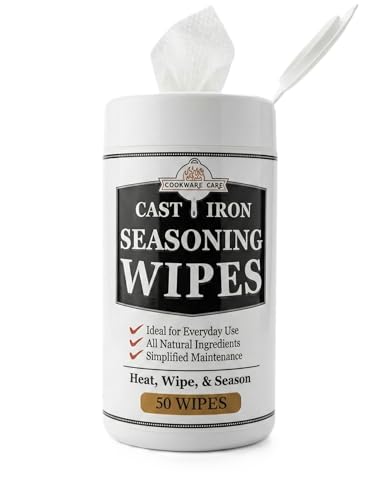
- Pre-seasoning oil for cast iron cookware
- Soft cloths or towels for drying


Before You Start
Inspect the kettle for cracks or flaking enamel. If the kettle is enamel-coated, avoid aggressive abrasion that could chip the coating. Ensure adequate ventilation when using rust removers or converters. Set up a clean, non-metallic workspace and protect countertops with a dry towel. Time estimate: 45–90 minutes for initial rust removal; 1–2 hours for drying and re-seasoning. Critical cautions: do not soak aggressively if the kettle has a wooden handle; avoid heat sources that could damage glue or finishes; always dry completely to prevent new rust.
Step-By-Step: How To Clean A Rusty Cast Iron Kettle
- Place the kettle on a stable surface and remove any loose rust with a chainmail scrubber cast iron cookware or a steel wool pad extra heavy duty cast iron cleaning.
- If rust remains, apply a small amount of cast iron kettle rust remover gel and scrub in circular motions until dull rust is removed. Wipe away residue.
- For stubborn rust, apply a rust converter for cast iron cookware following the product’s instructions. Allow the converter to cure as directed.
- Rinse and thoroughly dry the kettle. Use a heat source like a stovetop burner or oven to ensure complete moisture evaporation.
- Apply a thin coat of pre-seasoning oil for cast iron cookware across the interior and exterior surfaces. Wipe away excess to prevent a sticky finish.
- Heat the kettle gently to bake in the oil, or place it in a 350°F oven for about an hour if metal tolerates oven heating. Let it cool in a dry environment.
- Repeat the oil application and heating cycle 1–2 times for a stronger protective layer and enhanced rust resistance.
- Test the seal and check for any remaining rust spots. If any appear, repeat the cleaning cycle on those areas only, then re-season.
- Store the kettle in a dry, well-ventilated area. Avoid stacking damp cookware to minimize future rust risk.
- Periodically re-season as part of regular maintenance, especially after heavy cleaning or long storage.
- If the kettle has a wooden handle or knob, ensure it is not exposed to high heat and reseal any wooden components per manufacturer guidance.
Troubleshooting
| Symptom | Likely Cause | Fix | Prevention |
|---|---|---|---|
| Rust reappears after seasoning | Moisture exposure or incomplete drying | Dry thoroughly, re-season, and store in a dry place | Store in a warm, low-humidity area |
| Sticky oil layer after seasoning | Too much oil | Wipe off excess before heating | Apply thin coats only |
| Pitting or flaking coating | Over-aggressive scrubbing or acid cleaners | Switch to gentler approach and re-season | Use appropriate cleaning tools |
| Rust returns after long use | Inadequate drying or storage | Dry thoroughly after each use; store dry | Drying routine after washing |
Common Mistakes
- Using too harsh cleaners or metal scrapers on enamel-coated surfaces
- Skipping the drying step after washing
- Over-oiling, which can create a gummy residue
- Ignoring wooden handles or parts that aren’t heat-tolerant
Being mindful of these pitfalls helps extend the kettle’s life and protects seasoned surfaces for cooking.
Tips For Best Results
- Start with the gentlest rust removal method and escalate only if needed
- Use a chainmail scrubber for even cleaning without deep scratches
- Apply thin, even coats of pre-seasoning oil for uniform seasoning
- After seasoning, heat gradually to avoid scorching the oil
- Store in a dry, ventilated space to prevent future rust
Call A Professional
Seek professional help if the kettle has extensive cracks, severe corrosion, or structural damage that could compromise safety. Do not attempt to restore such items for cooking if the integrity is uncertain or if repairs require specialized equipment.
FAQ
Is rust from a cast iron kettle harmful to food?
In most cases, surface rust can be removed and the kettle re-seasoned to be safe for cooking again.
Can I use lemon juice or vinegar to remove rust?
Acidic cleaners can damage the seasoning; use dedicated rust remover gels or converters for best results.
How long does re-seasoning take?
Expect multiple cycles over a day or two to achieve a durable finish.
Should I replace a heavily rusted kettle?
If the rust is deep, widespread, or the metal is compromised, replacement may be the safer option.
What are the signs of a good seasoning?
A smooth, dark, non-sticky surface with a slight sheen indicates effective seasoning.
Buying Guide
When choosing a cleaning and seasoning setup for a rusty cast iron kettle, consider size and weight, the level of rust resistance, and the compatibility of tools with your kettle’s finish. Noise, energy use, and control options matter less for cleaning than for cooking, but consider how tool material and gait affect durability. Look for rust remover gels and rust converters labeled safe for cookware, and ensure you have a reliable pre-seasoning oil that creates a durable protective layer. Placement matters: store in a dry, ventilated area to prevent future rust and consider a dedicated drying rack or shelf to keep moisture away. Compare tools like chainmail scrubbers and heavy-duty steel wool for effectiveness and surface safety, and weigh convenience against potential surface wear. With the right combination of tools and seasoning practices, a rusty kettle can regain its usefulness and longevity.