Rugs add warmth and style to American homes, but spills and traffic can leave stubborn stains. This guide provides practical, step-by-step methods to remove common rug stains while protecting fibers. You’ll learn proven techniques, tool selections, and when it’s best to call a professional.
Quick Answer
Begin by blotting the stain with a clean cloth to lift excess liquid. Apply a stain remover designed for carpets, then gently scrub with a brush or microfiber cloth. Rinse with water, blot dry, and repeat if needed. For set-in or tough stains, use a pretreat spray with a brush and a handheld steam cleaner to lift embedded soils.
What You’ll Need
- enzyme-based carpet stain remover spray 24 oz
- pet-safe carpet cleaning solution 32 oz spray
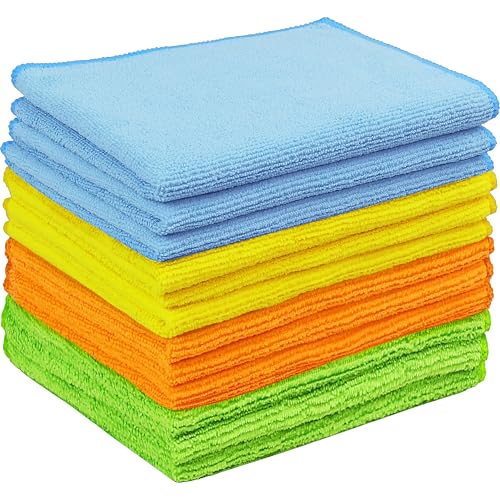
- microfiber carpet cleaning cloths 12×12 pack
- carpet stain pre-treat spray with brush 24 oz
- handheld carpet steam cleaner with scrub brush


Before You Start
Test cleaners on an inconspicuous area of the rug to prevent discoloration. Blot liquids rather than rub, which can push stains deeper into fibers. Work from the outside of the stain toward the center to prevent spreading. Allow ample drying time before foot traffic returns. Important: avoid bleach or abrasive products on colorfast wools or delicate fibers, and ensure the area is well-ventilated to speed drying.
Step-By-Step: How To Clean Rug Stains
- Blot the stain with a clean, dry microfiber cloth to remove as much liquid as possible.
- If the stain is protein- or organic-based (coffee, wine, food), apply enzyme-based carpet stain remover spray and let it sit for 5–10 minutes.
- For tougher or oily stains, spray the carpet stain pre-treat spray with brush and gently agitate with the brush to loosen soils.
- Spray a light mist of pet-safe carpet cleaning solution over the stained area, then work it in with the microfiber cloth using a circular motion.
- Rinse the treated area with a small amount of clean water, then blot to remove moisture. Repeat as needed until the cloth stops picking up color.
- For deeply embedded stains, use a handheld carpet steam cleaner with scrub brush on a low steam setting to lift and extract the loosened soil.
- Allow the rug to air-dry completely. If the area remains damp, place a fan nearby to improve airflow and speed drying.
- Inspect the area once dry. If faint staining remains, repeat the steps or consider a targeted treatment with an enzyme-based remover and a second rinse.
Troubleshooting
| Symptom | Likely Cause | Fix | Prevention |
|---|---|---|---|
| Stain reappears after drying | Residual soil trapped in fibers | Repeat pretreatment, use handheld steam cleaner, and ensure thorough rinsing | Treat promptly; blot rather than rub immediately after spills |
| Color fade after cleaning | Harsh chemical or over-wetting | Switch to milder, carpet-safe solutions and minimize water used | Test in a hidden area first |
| Stiff rug fibers after cleaning | Residue from cleaners | Rinse area with clean water and blot dry thoroughly | Use proper amounts and fully extract moisture |
Common Mistakes
- Using hot water immediately on protein-based stains, which can set the stain.
- Choosing a cleaner not suited for the fiber type or color.
- Over-wetting the rug, leading to mold or odor formation.
- Rubbing aggressively, which frays fibers and drives stains deeper.
Tips For Best Results
- Always perform a colorfast test first on a hidden rug corner.
- Work from the outside in to prevent spreading the stain.
- Use microfiber cloths for gentle agitation and effective blotting.
- When in doubt, start with the mildest cleaner and escalate only if needed.
Call A Professional
Consider a pro if stains are large, widespread, or if the rug is valuable or delicate (such as antique or wool). Signs to stop and call a professional include persistent dye transfer, strong odors after cleaning, or shrinkage after wet cleaning. Professionals have equipment to extract deep moisture and specialized solvents for tough stains.
FAQ
Can I use regular household cleaners on my rug?
It’s best to use cleaners formulated for carpets and rugs, especially enzyme-based or pet-safe solutions, to avoid fiber damage.
How long should a cleaned rug dry?
Most rugs dry in 6–12 hours, depending on fiber type, padding, and airflow. Use fans to speed drying.
Are enzyme-based removers safe for pets?
Yes, when labeled pet-safe, these cleaners help break down organic stains without harsh chemicals.
What if the stain won’t come out?
Repeated gentle treatments may help, or a professional cleaning session might be required for set-in stains.
Will steam cleaning damage my rug?
When used with the correct settings and cleaners, steam cleaning can be effective for embedded soil but should be avoided on delicate fibers or heat-sensitive dyes.
Buying Guide
Choosing the right tools and cleaners for rug stain removal depends on several factors. Size and drying time matter for quick turnaround households, while fabric type dictates which cleaners are safe. Consider how often spills occur and whether pets or children are present, which influences the need for enzyme-based and pet-safe options. A compact handheld steam cleaner with a scrub brush is useful for spot treatments and delicate areas, while a stain pretreat spray with brush helps tackle stubborn marks. Look for products labeled for carpet use, and ensure you have microfiber cloths for gentle lifting and blotting.
Key buying factors to compare include the following:
- Effectiveness on Fiber Types: Wool, nylon, and synthetic fibers respond differently to cleaners; verify compatibility.
- Enzyme Action: Enzyme-based formulas excel on organic stains but may require longer dwell times.
- Safety For Pets And Kids: Choose pet-safe and low-VOC formulations to reduce exposure risk.
- Application Tools: Sprayers, brushes, and microfiber cloths enhance coverage and control.
- Drying Time: Solutions that minimize residue help fibers dry faster and reduce mildew risk.
- Noise and Convenience: Handheld devices offer portability; consider noise levels for late-night cleanups.
- Storage And Shelf Life: Keep cans sealed and store away from heat to preserve effectiveness.
For most households, a balanced kit includes an enzyme-based stain remover spray, a pet-safe cleaning solution, microfiber cloths, a stain pretreat spray with brush, and a handheld steam cleaner with scrub brush. This combination supports effective spot cleaning, pretreatment, and deeper lifts when needed. If a rug has significant value or delicate fibers, pairing consumer products with a professional assessment ensures the best outcome, protecting both aesthetics and fiber integrity.