Rubber dog toys are durable and fun, but they can accumulate dirt, grime, and germs quickly. Regular cleaning helps maintain hygiene and extend toy life. This guide provides practical steps, safe cleaners, and expert tips for keeping rubber toys fresh for daily play.
Quick Answer
Clean rubber dog toys weekly with a mild, pet-safe cleaner or a dishwasher-safe rinse. For quick refreshes, wipe with pet-safe rubber toy sanitizer wipes or soap and water, then air-dry completely before reuse.
What You’ll Need
The following tools and products cover most rubber toy cleaning needs. Use them as directed for best results.
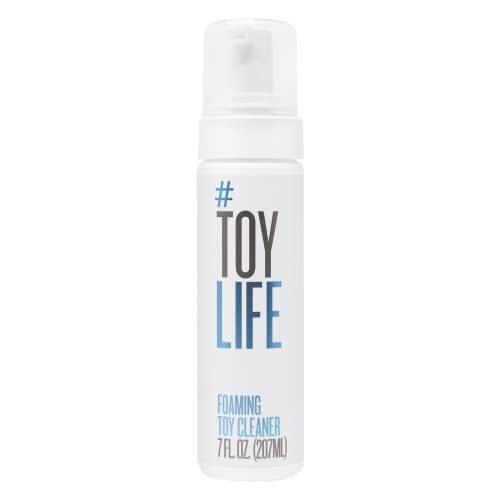
- Rubber dog toy cleaner spray non-toxic
- Dishwasher safe rubber dog toys cleaning supplies (no heat-damaging additives)
- Antibacterial cleaner for rubber dog toys
- Silicone rubber dog toy cleaning brush set
- Pet-safe rubber toy sanitizer wipes


Before You Start
Assess the toy’s condition before cleaning. Check for cracks or tears that could harbor bacteria. Always rinse off cleaner completely to prevent mouth contact. Allow toys to air-dry fully in a well-ventilated area. Keep cleaners away from pets’ faces during application.
Time estimates: Quick wipe-down 5–10 minutes; deeper cleaning 15–30 minutes depending on soiling. For dishwasher cleaning, follow manufacturer guidelines and ensure the toy is labeled dishwasher safe.
Step-By-Step: How To Clean Rubber Dog Toys
- Remove any accessories or squeakers if possible, and inspect the toy for damage.
- Rinse the toy under warm running water to remove surface dirt and saliva.
- Apply a rubber dog toy cleaner spray non-toxic or a mild soap solution to the surface. Gently scrub with the silicone rubber dog toy cleaning brush set to lift grime.
- Rinse thoroughly until no soap residue remains. If using an antibacterial cleaner, follow product directions and rinse well afterward.
- For dishwasher-safe toys, place them on the top rack and run a normal cycle with a mild detergent. Avoid high heat settings unless the toy’s label permits it.
- Dry the toy completely with a clean towel or air-dry in a sunny, ventilated spot. Ensure all crevices are dry to prevent mold growth.
- Reinspect for wear and tear. Damaged toys should be retired to prevent choking hazards.
- Store clean toys in a dry, clean area until next use. Regular rotation helps prevent odor buildup.
Troubleshooting
| Symptom | Likely Cause | Fix | Prevention |
|---|---|---|---|
| Sour smell persists | Bacteria trapped in porous rubber | Clean with antibacterial cleaner for rubber dog toys and rinse thoroughly | Clean after heavy chewing sessions |
| Soap residue after washing | Rinse incomplete | Rinse again under running water until no suds remain | Use a second rinse cycle if needed |
| Tiny cracks appearing | Age or overstressing | retire the toy if cracks widen | Rotate toys to reduce wear |
| Discoloration | Deep staining from saliva or treats | Soak briefly in mild solution, then scrub and rinse | Rinse promptly after meals or treats |
Common Mistakes
- Using harsh chemicals or household cleaners not labeled pet-safe
- Overlooking crevices where grime hides
- Ignoring dishwasher safety labels for toys
- Not drying toys thoroughly, promoting mold growth
Tips For Best Results
- Schedule a weekly cleaning routine to prevent buildup
- For stubborn smells, a brief soak in a mild, non-toxic solution can help
- Use a dedicated brush set to reach grooves and seams
- Label each toy type by usage (rough chewers vs. gentle chewers) to tailor cleaning frequency
- Store cleaned toys in a dry container to maintain freshness
Call A Professional
If a rubber toy shows persistent cracking, tearing, or softening, stop using it and consult a veterinarian or pet toy expert. Signs of internal damage or severe wear may indicate the toy is unsafe for continued use and could pose choking or ingestion risks.
FAQ
Is a dishwasher safe label enough to clean all rubber dog toys?
Only if the toy explicitly states dishwasher safe and is designed to withstand heat and detergent. Always follow the manufacturer’s cleaning instructions.
Can I use antibacterial cleaners on all rubber toys?
Yes, but ensure the product is pet-safe and rinse thoroughly to remove any residue before the toy goes back to your dog.
How often should I replace rubber dog toys?
Replace toys showing cracks, tears, or persistent odor after cleaning. Rotating toys helps reduce wear and maintains safety.
What’s the best way to dry rubber toys?
Air-dry on a clean surface in a well-ventilated area. Avoid stacking to ensure complete dryness and prevent mold.
Buying Guide
When choosing rubber dog toys and cleaning tools, consider size, material safety, and maintenance requirements. A versatile setup combines durable rubber toys with non-toxic cleaners for easy upkeep. Think about how your dog chews: aggressive chewers may need sturdier, one-piece designs and a higher frequency of cleaning.
Key buying factors include:
- Size and durability: Fit for your dog’s mouth and chewing style
- Material safety: BPA-free, phthalate-free rubber preferred
- Ease of cleaning: Dishwasher-safe options save time
- Cleaning tools: A silicone brush set helps reach crevices
- Sanitizing options: Pet-safe cleaners and wipes for quick refreshes
Would you like help matching specific toy types to your dog’s chewing habits and cleaning routine?