Frosted glass adds privacy with a textured surface, but its rough side can trap dirt and fingerprints more than smooth glass. This guide provides practical techniques and tools to effectively clean the rough side while preserving the frosted finish.
Quick Answer
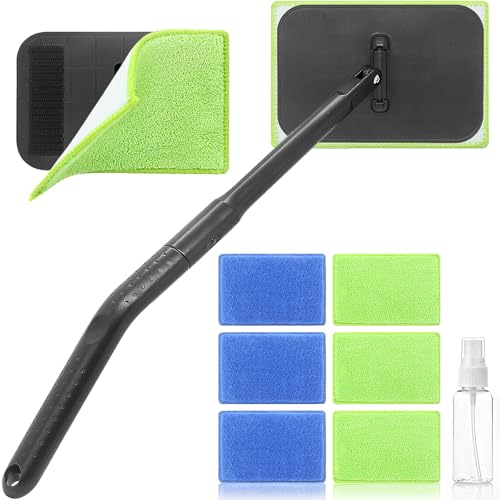
For best results, use a frosted glass cleaning kit along with a glass squeegee for frosted glass and a microfiber cloth set for frosted glass cleaning. Start with a gentle scrub, then wipe away grime with a microfiber cloth and finish with a dry pass to prevent streaks.
What You’ll Need
- Frosted glass cleaning kit
- Glass squeegee for frosted glass
- Microfiber cloth set for frosted glass cleaning
- Non-scratch scrub pad for glass cleaning
- Glass polishing sponge pad for frosted glass


Before You Start
Prepare the area by laying down a towel or drop cloth to catch any drips. Use lukewarm water and a mild, non-abrasive cleaner formulated for glass. Test a small, inconspicuous spot first to ensure the frosted texture isn’t damaged. Allow surfaces to air-dry or wipe with a clean microfiber cloth. Avoid harsh chemicals and abrasive pads that can scratch or dull the frosted finish. Time estimate: 10–20 minutes per panel depending on grime.
Step-By-Step: Cleaning The Rough Side Of Frosted Glass
- Remove loose dust with a dry microfiber cloth to prevent rubbing dirt into the texture.
- Apply a small amount of mild cleaner to the non-scratch scrub pad for glass cleaning or directly to the cloth.
- Gently scrub in a circular motion across the rough surface, prioritizing areas with visible buildup.
- Rinse the area with a damp cloth to lift loosened particles and cleaner residue.
- Wipe away remaining moisture with a microfiber cloth set for frosted glass, using a top-to-bottom motion.
- Use the glass polishing sponge pad for frosted glass to polish raised textures and restore uniform appearance.
- Run the glass squeegee for frosted glass along edges to remove excess moisture and prevent streaks.
- Inspect for streaks or remaining smudges; repeat the gentle cleaning steps if needed.
- Dry the surface completely with a fresh microfiber cloth to prevent water spots.
- Place a quick protective wipe with a clean cloth if the frosted surface tends to smudge easily.
- Re-check the texture from different angles to ensure even cleanliness across the panel.
- Store tools in a dry area after use to prevent residue transfer on future cleanings.
Troubleshooting
| Symptom | Likely Cause | Fix | Prevention |
|---|---|---|---|
| Streaks despite cleaning | Residue from cleaner or hard water | Wipe with a damp microfiber cloth, use distilled water | Rinse and dry thoroughly after cleaning |
| Texture looks dull | Accumulated oils or fingerprints | Use a mild polishing pad and microfiber cloth | Clean more frequently to prevent buildup |
| Scratches appear on rough side | Abrasive pad or harsh cleaner | Switch to non-scratch scrub pad and mild cleaner | Avoid abrasive tools on frosted surfaces |
| Water spots after drying | Hard water minerals | Dry with a clean microfiber cloth; wipe with distilled water | Regular quick wipes after exposure to water |
Common Mistakes
- Using harsh chemical cleaners that damage the frosted texture
- Scrubbing too aggressively with abrasive pads
- Skipping the drying step, which causes streaks or water spots
- Using a dirty or lint-ridden cloth that re-deposits fibers
Sticking to gentler tools and following a consistent routine helps maintain the frosted glass’s appearance over time.
Tips For Best Results
- Always work from top to bottom to prevent drips from running onto cleaned areas.
- Use distilled water if your tap water leaves mineral deposits on glass surfaces.
- Combine the microfiber cloth set for frosted glass cleaning with a light cleaner for a quick, streak-free finish.
- Store tools in a dedicated kit to keep abrasives separate from soft cloths.
Call A Professional
Consider hiring a professional if the frosted glass has deep etching, persistent staining, or damage from improper cleaning. Seek help if you notice peeling coatings, persistent cloudiness after cleaning, or if the glass is part of architectural systems where improper cleaning could compromise sealants or hardware.
FAQ
Can I use window cleaner on frosted glass?
Yes, but choose a mild formula and avoid ammonia-based cleaners that may degrade coatings over time.
Is it safe to use a scrub pad on frosted glass?
Only if the pad is non-scratch and designed for glass cleaning to prevent surface damage.
How often should I clean frosted glass surfaces?
Regular light cleanings prevent buildup; frequency depends on location and usage, typically weekly or biweekly.
What if the frosted texture looks uneven after cleaning?
Gently re-clean with a polishing pad and microfiber cloth, then dry thoroughly to restore uniform texture.
Buying Guide
When selecting cleaning tools for the rough side of frosted glass, consider these factors to ensure effective performance and protection of the frosted finish.
- Size and reach: Choose tools that fit the panel size and provide a comfortable grip for easy access to corners.
- Noise level: Handheld tools like squeegees and cloths operate quietly, avoiding disruptive cleaning sessions.
- Energy efficiency: Manual cleaning requires no power; focus on ergonomics and durability.
- Controls and usability: Look for tools with non-slip handles and ergonomic designs to reduce hand fatigue.
- Placement considerations: For wall-mounted or tall panels, select extendable squeegees and long-handled pads.
The listed products provide a cohesive kit for maintenance, from initial dusting to final polishing. Evaluating your space and routine helps determine whether a full kit or individual tools best suits your needs. Do you prefer a compact setup for quick touch-ups or a comprehensive system for periodic deep cleaning?