Rough concrete floors add texture and grip to basements, garages, and commercial spaces. Regular cleaning helps prevent soil buildup, stains, and slippery surfaces. This guide outlines practical steps, tools, and safety tips to restore a clean, uniform look while preserving the floor’s rough texture.
With the right approach, routine maintenance becomes quicker and more effective. The steps below cover preparation, cleaning methods, and maintenance to keep rough concrete looking its best long-term.
Quick Answer
For rough concrete, start with a stiff-bristle brush and pre-wet the area, then use an appropriate degreaser or cleaner with an electric pressure washer or rotating scrubber pad. Rinse thoroughly and allow to dry completely before re-sealing or walking on the surface.
What You’ll Need
- Stiff-bristle concrete floor scrub brush for rough surfaces
- Electric pressure washer for concrete cleaning
- Rotating concrete floor scrubber pad
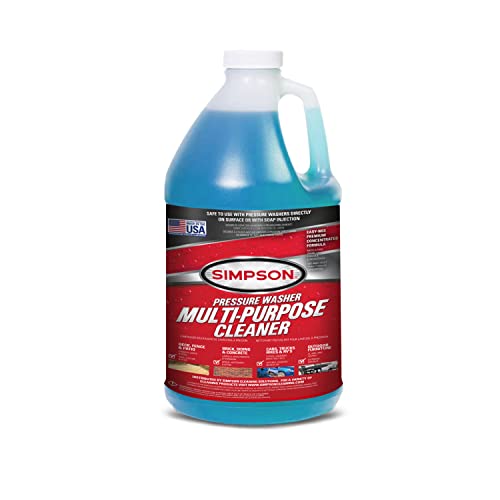
- Concrete cleaner degreaser concentrate for rough surfaces
- Industrial concrete cleaning solution spray for floors


Before You Start
Ensure good ventilation if using chemical cleaners indoors. Protect nearby plants, electrical outlets, and sensitive surfaces. Determine if the floor is sealed or unsealed; cleaning methods vary accordingly. Time estimate: 1–4 hours depending on area and soiling level. Wear eye protection, gloves, and non-slip footwear to prevent accidents and chemical contact.
Step-By-Step: How To Clean A Rough Concrete Floor
- Clear the area of movable objects and loose debris to prevent scratching during scrubbing.
- Inspect the floor for cracks or damage; note any areas needing repair before cleaning.
- Pre-wet the surface with clean water to loosen dry soil and reduce cleaning time.
- Apply a concrete cleaner degreaser concentrate for rough surfaces or an industrial cleaning solution spray per label directions.
- Use the stiff-bristle concrete floor scrub brush for rough surfaces or a rotating concrete floor scrubber pad to agitate the cleaner on the surface.
- Rinse the area with an electric pressure washer on a moderate setting, working from edges toward the center to avoid streaks.
- For stubborn stains, reapply cleaner and repeat scrubbing, allowing a few minutes of dwell time before re-scrubbing.
- Rinse thoroughly to remove all cleaner residue, then inspect for any remaining stains or dirt.
- If needed, repeat the cleaning cycle on particularly dirty zones or grease spots.
- Dry the floor with a blower or allow air drying to minimize slip hazards before applying sealant or re-staining the surface.
- Document any recurring stains and plan periodic maintenance to prevent buildup.
Troubleshooting
| Symptom | Likely Cause | Fix | Prevention |
|---|---|---|---|
| Streaks after cleaning | Improper rinsing or uneven application | Re-rinse with even motion; use appropriate pressure | Consistent passes, keep nozzle at optimal distance |
| Stubborn grease stains | Oil or hydrocarbon buildup | Boost dwell time with degreaser, scrub thoroughly | Promptly treat new spills |
| Discoloration or pitting | Excessive cleaning pressure or harsh chemicals | Reduce pressure; switch cleaners if needed | Test cleaner on a small area first |
| Slippery surface after cleaning | Residue or wet floor | Rinse thoroughly; use a dry method to finish | Ensure complete drying before use |
Common Mistakes
- Using high-pressure settings on delicate or unsealed concrete—risk of surface damage
- Skipping pre-wetting, which can spread dirt rather than lift it
- Neglecting to rinse thoroughly, leaving residue that attracts new dirt
- Overusing harsh cleaners on stains that require gentler treatment
Tips For Best Results
- Choose a cleaner formulated for rough surfaces to avoid excessive foaming or residue
- Test a small area before full cleaning to gauge reactions with your concrete
- Work in shaded or cooler areas to prevent quick drying that can leave streaks
- Schedule regular maintenance to minimize deep cleaning frequency
- Seal the floor after cleaning if the surface is unsealed or porous, to simplify future upkeep
Call A Professional
Consider a pro if the floor shows deep staining, extensive pitting, or if you need a high-traffic area cleaned quickly. Stop signs include persistent oil stains, signs of moisture intrusion, or if you lack the proper equipment for high-pressure cleaning. A professional can assess sealant compatibility and apply the correct finish for durability and safety.
FAQ
What’s the best cleaner for rough concrete?
A concrete cleaner degreaser concentrate designed for rough surfaces works well, especially when paired with a stiff-bristle brush or rotating pad.
Can I use a standard household cleaner on rough concrete?
Household cleaners may be ineffective or leave residue; use cleaners formulated for concrete and follow label instructions.
Is sealing required after cleaning?
Sealing is recommended for porous or unsealed floors to improve stain resistance and simplify future cleaning.
How often should rough concrete be cleaned?
Frequency depends on use and traffic, but routine upkeep every 1–3 months prevents heavy buildup.
What should I do about oil stains?
Apply a degreaser and let it dwell, then scrub and rinse thoroughly; repeated treatment may be needed for deep stains.
Are there safety concerns with using a pressure washer indoors?
Yes—ensure proper ventilation, protect electrical outlets, and use the lowest effective pressure to avoid damage.
Is it safe to use a scrub brush on painted or sealed concrete?
Test in a small area first; some finishes may wear with aggressive scrubbing. Use milder methods if necessary.
Buying Guide
When selecting equipment and products for cleaning rough concrete floors, consider several key factors to balance effectiveness with safety and cost.
Size and area: For large spaces, a portable electric pressure washer combined with a rotating concrete floor scrubber pad can speed up cleaning, while smaller areas may suffice with a stiff-bristle brush and standard cleaner.
Noise level: Electric cleaners and pressure washers vary in noise; look for models with lower decibel ratings for indoor use or shared spaces.
Energy efficiency: Choose energy-efficient motors and pumps to reduce operating costs, especially in frequent cleaning cycles.
Controls and ease of use: Prefer user-friendly controls, adjustable pressure settings, and visible chemical dosing to minimize misuse.
Placement and storage: Ensure cleaning solutions and equipment can be stored safely in a ventilated area, away from children and pets.
Cleaning solution compatibility: Use products labeled for rough concrete and compatible with your cleaning system to prevent damage or poor results.
Cost of ownership: Account for consumables like brushes, pads, and replacement nozzles, plus ongoing maintenance of the pressure washer and scrubber.
By comparing options across these factors, users can pick a setup that delivers efficient cleaning, minimal downtime, and durable results for rough concrete floors.