Maintaining a home reverse osmosis (RO) system helps ensure consistent water quality and prolongs the life of the membrane. Regular cleaning can prevent clogs, scale buildup, and microbial growth that compromise taste and purity. This guide walks through practical steps, safe practices, and the best tools to use for a thorough RO system clean.
Quick Answer
Perform a routine cleaning when you notice reduced water flow, off-taste, or after long periods without use. Use a dedicated reverse osmosis cleaning kit for RO system and follow the manufacturer directions. Sanitize the system with a RO system sanitizer and disinfection kit after cleaning and replace pre/post filters as needed.
What You’ll Need
- Reverse osmosis cleaning kit for RO system
- RO membrane cleaning brush and tools
- Descaling cleaner for reverse osmosis membrane
- RO system sanitizer and disinfection kit
- Pre/post filter maintenance kit for RO system

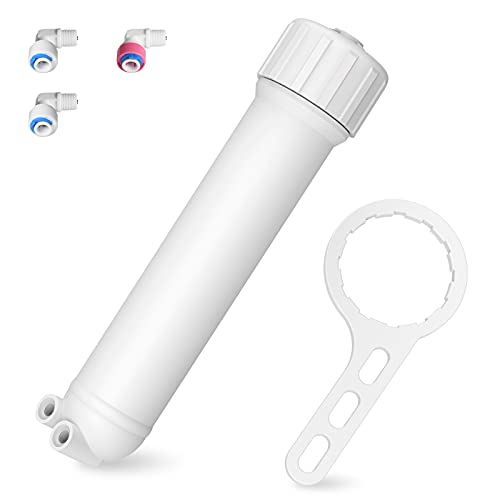

Before You Start
Shut off the water supply to the RO unit and relieve pressure from storage tanks before handling any parts. Wear protective gloves and eye protection during chemical handling. Prepare a clean work area and label parts if necessary to avoid reconnecting wrong lines. Typical cleaning takes 60–180 minutes, depending on system size and filter condition. Never mix cleaners unless specifically instructed by the kit. Rinse all parts thoroughly after cleaning to prevent residue in your drinking water.
Step-By-Step: How To Clean A RO System
- Turn off the feed water valve and release pressure by opening the RO faucet until flow stops.
- Remove the storage tank and pre/post filters per the manufacturer’s instructions to access the membrane housing.
- Prepare the descaling cleaner for reverse osmosis membrane as directed and inject or circulate it through the membrane housing using the cleaning kit.
- Use the RO membrane cleaning brush and tools to gently scrub accessible surfaces and clear any sludge or biofilm from housings and fittings.
- Rinse the system with clean water, then repeat with the cleaner or a dedicated rinse solution until the membrane area looks clear.
- Reinstall filters and restart the system, checking for leaks and ensuring normal flow rates at the faucet.
- Apply the RO system sanitizer and disinfection kit per instructions, circulating the sanitizer through the system to sanitize all contact surfaces.
- Flush thoroughly after disinfection, then reinstall any remaining components and verify water quality with a test strip or kit.
- Document the cleaning date and schedule future maintenance based on water quality and system usage.
- Dispose of used cleaners and spent filters following local regulations and kit guidelines.
- Optional: replace the pre/post filters as part of routine maintenance to maintain optimal performance.
Troubleshooting
| Symptom | Likely Cause | Fix | Prevention |
|---|---|---|---|
| Reduced water flow | Scale buildup or clogged membrane | Perform cleaning with the descaling cleaner for reverse osmosis membrane and rinse | Schedule periodic cleanings; use pre-filter maintenance |
| Off-taste after cleaning | Residual cleaning agents | Rinse thoroughly; run water for extended periods | Always complete final rinse steps |
| Leaks around fittings | Loose connections or damaged seals | Tighten fittings or replace seals; inspect O-rings | Check connections during every maintenance |
| Membrane fouling persists | Extreme mineral buildup or biofilm | Consider membrane replacement with the RO membrane cleaning kit | Regular replacement per kit guidelines |
| Disinfectant odor | Incomplete disinfection | Repeat disinfection process with the sanitizer kit | Follow timing and contact instructions precisely |
Common Mistakes
- Using household cleaners not designed for RO systems
- Skipping the final rinse after disinfection
- Neglecting to sanitize when reassembling after maintenance
- Forgetting to replace pre/post filters on schedule
These missteps can shorten membrane life or leave trace contaminants in drinking water. Following the kit instructions closely helps prevent regretful oversights.
Tips For Best Results
- Schedule maintenance based on water hardness and contaminant levels in your area.
- Use dechlorinated water for rinsing to avoid damaging the membrane.
- Label cleaned parts with dates to track maintenance history.
- Keep a spare set of filters on hand to reduce downtime during maintenance.
- Test water quality after maintenance to confirm proper system performance.
Call A Professional
Consider contacting a pro if you notice persistent leaks, unusual noises, or significant drops in water quality after cleaning. Seek help immediately if the system shows signs of mold, persistent foul odors, or if you are unsure how to handle chemicals safely. Complex installations or older systems may benefit from professional service to ensure long-term reliability.
FAQ
How often should I clean my RO system?
Cleaning frequency depends on water quality and usage, but a typical range is every 6–12 months, or sooner if you notice reduced flow or off-taste.
Can I use ordinary cleaners for RO membranes?
No. Use only cleaners specified in the RO cleaning kit to avoid damage to the membrane and components.
Is it necessary to replace filters after cleaning?
Yes. Replacing pre/post filters after a cleaning helps prevent contaminants from re-entering the system.
What is the best way to sanitize?
Use the RO system sanitizer and disinfection kit exactly as directed, ensuring full contact with all interior surfaces.
How long does a typical RO cleaning take?
Most cleanings take 60–180 minutes, depending on system size and accessibility of the membrane housing.
Should I flush after disinfection?
Yes. Thorough flushing removes sanitizer residues and ensures safe drinking water.
Can I clean an RO membrane without removing it?
Some kits allow in-situ cleaning, but always follow manufacturer instructions to avoid damage.
Buying Guide
Key buying factors influence how you choose an RO cleaning and maintenance setup. Consider size and compatibility with your unit, noise levels from the pump, energy efficiency, and control features for ease of use. Look at the availability of a complete maintenance ecosystem that includes a pre/post filter maintenance kit for RO system, a descaling cleaner for reverse osmosis membrane, and a RO system sanitizer and disinfection kit.
Assess the cleaning kit’s included tools, brushes, and hoses to ensure you can thoroughly reach membrane housings. Compare kit contents to ensure you obtain a RO membrane cleaning brush and tools that fit your model. Consider warranty coverage and troubleshooting support from the manufacturer.
Placement considerations matter: keep the unit in a dry, ventilated area away from direct sunlight. Ensure accessible shutoff valves and clear pathways for filter changes. For households in areas with hard water, prioritize a kit that emphasizes mineral scale removal and effective disinfection to protect membrane longevity. By evaluating these factors, homeowners can select a comprehensive set of tools for reliable RO system maintenance.