Reusable vacuum seal bags offer an eco-friendly alternative to disposable plastic, but they require proper cleaning to maintain seal integrity and food safety. This guide walks through effective cleaning methods, practical tools, and best practices so American households can extend the life of their bags without compromising hygiene.
The process emphasizes simple routines you can perform at home, whether you hand wash, use a dishwasher-safe rack, or employ specialized brushes and tools designed for vacuum bags. By following the steps below, users can keep bags fresh, free of odors, and ready for reuse in a variety of kitchen tasks.
Quick Answer
Best overall method: rinse with warm, soapy water, scrub seams with a dedicated cleaning brush, rinse thoroughly, and air-dry on a rack until completely dry. For stubborn residue, repeat and use a mild food-safe sanitizer if needed. Always verify the bag is fully dry before resealing.
What You’ll Need
- Vacuum sealer bag cleaning brush silicone
- Reusable vacuum bag wash brush
- Sous vide bag cleaning brush silicone
- Dishwasher-safe drying rack for vacuum bags
- Vacuum sealer bag gasket cleaning tool

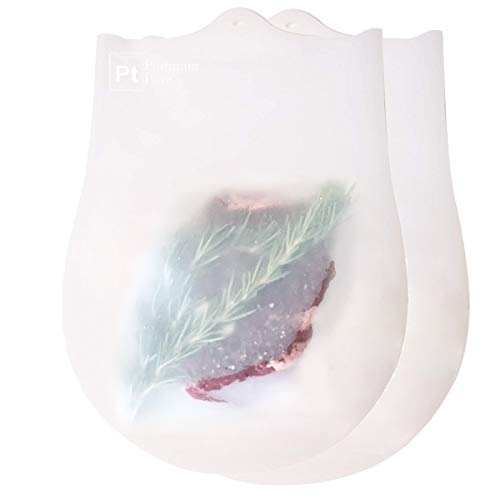

Before You Start
Review the bag manufacturer’s care instructions, as some bags are dishwasher-safe while others require hand washing. Use warm water and mild, food-safe soap to avoid degrading materials. Protect delicate cartridges and gaskets from harsh scrubbing. Always inspect for wear, tears, or stretched seals before reuse. Plan for a total cleaning window of about 15–30 minutes per batch, depending on bag quantity. Never reuse visibly damaged bags.
Step-By-Step: How To Clean Reusable Vacuum Seal Bags
- Separate bags from any accessories and remove all contents.
- Rinse bags under warm water to loosen loose food particles.
- Fill a sink or basin with mild dish soap and warm water.
- Use a vacuum sealer bag cleaning brush silicone to scrub the interior and exterior surfaces, paying close attention to the seam areas.
- For stubborn residue, use a reusable vacuum bag wash brush to gently dislodge stuck-on foods without scratching the bag material.
- Rinse thoroughly under clean water to remove all soap residues from seams and corners.
- Inspect the gasket and seal areas with the vacuum sealer bag gasket cleaning tool to ensure no debris remains.
- Shake off excess water and place bags on a dishwasher-safe drying rack for vacuum bags or a clean towel to air-dry in a well-ventilated area.
- Allow bags to dry completely inside and out before reusing; this prevents microbial growth and foggy seals.
- Store dried bags flat or rolled, with lids off or ajar if designed, to maintain airflow and prevent moisture buildup.
- For dishwasher-friendly bags, place on the rack according to manufacturer guidelines and run a no-heat or gentle cycle if allowed.
- Regularly repeat cleaning cycles to maintain bag performance and extend their lifespan.
Troubleshooting
| Symptom | Likely Cause | Fix | Prevention |
|---|---|---|---|
| Bag not sealing properly after cleaning | Residual soap or moisture near seal | Rinse thoroughly and dry completely before resealing | Ensure complete dry-time and store in a dry area |
| Interior odors persist | Food residue trapped in seams | Re-scrub with cleaning brush and consider a mild sanitizer | Pre-clean bags after use with quick rinse |
| Stitches or seams showing wear | Overly aggressive scrubbing or age | Switch to gentler brush and inspect for replacement | Rotate bags and replace as needed |
| Discoloration around edges | Staining from colorful foods | Light scrubbing, use baking soda paste if safe | Avoid long-term contact with strong pigments |
Common Mistakes
- Using hot water that can warp or weaken bag materials
- Ignoring signs of wear on seals or vents
- Neglecting to dry bags thoroughly before storage
- Cleaning with abrasive tools that scratch the bag surface
Keeping an eye on seal integrity and drying thoroughly are essential to prevent leaks and contamination during future use.
Tips For Best Results
- Keep dedicated brushes for vacuum bag cleaning to avoid cross-contamination with other kitchen tools.
- Rinse bags inside-out first to dislodge trapped debris before scrubbing the exterior.
- Designate a clean drying rack specifically for bags to avoid reintroducing moisture into stored bags.
- For stubborn odors, a light soak in a solution of water and a small amount of white vinegar can help, followed by thorough rinsing.
- Label bags with usage notes (e.g., meat, produce) to prevent cross-contact when reusing.
Call A Professional
Seek professional help if a bag shows persistent leaks, compromised seams, or if gaskets fail to form a proper seal after cleaning. Stop using bags that do not seal reliably or that appear cracked, stretched, or deformed. For batches involving raw meat or poultry, ensure adherence to food safety guidelines and consult a professional if uncertainty arises.
FAQ
Can all reusable vacuum bags be cleaned in the dishwasher?
Some are dishwasher-safe on a gentle cycle, but always check the manufacturer’s instructions before washing.
How long should bags air-dry after cleaning?
Around 2–6 hours in a well-ventilated area until completely dry.
Is it safe to use baking soda to remove odors?
Yes, a mild baking soda paste can help for odor removal, followed by thorough rinsing.
How often should I replace seals and gaskets?
Inspect bags regularly and replace gaskets or seals if you notice wear, cracking, or leaks.
Buying Guide
When choosing reusable vacuum bags and related cleaning tools, consider size options to fit typical containers and portions, how often the bags will be reused, and compatibility with your vacuum sealer model. Noise level and energy use are generally minimal for cleaning tools, but consider the durability of brushes and racks. Controls on cleaning devices should be straightforward, with clear labeling for interior/exterior cleaning. Placement matters for drying racks; choose a dry, lint-free area with good airflow. Look for dishwasher-safe options to simplify maintenance and verify material safety for food contact. Compare bags by thickness, temperature tolerance, and seal reliability to ensure a secure, long-lasting seal across a variety of foods and storage conditions.