Reusable air filters are designed to be cleaned and reused, which can save time and money compared with disposable options. This guide provides practical steps, safety tips, and product suggestions to help American homeowners and vehicle owners maintain optimal airflow and filtration.
Quick Answer
Best practice: remove the filter, rinse with water, apply a cleaning solution if needed, agitate to release dirt, rinse thoroughly, dry completely, and reinsert. For off-road or high-dust conditions, repeat as necessary and inspect for wear.
What You’ll Need
- Reusable HVAC air filter cleaning kit
- Car air filter cleaning kit reusable filter
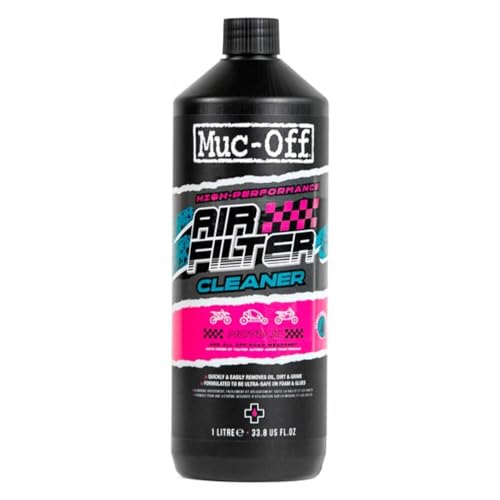
- Air filter cleaning spray for reusable filters
- K&N air filter cleaning kit
- Foam air filter wash kit for off-road vehicle


Before You Start
Before cleaning, prepare a clean workspace and protect nearby surfaces from water and cleaner spills. Check the filter’s label for care instructions and compatibility with cleaning solutions. Allow plenty of time for drying; moisture can reduce filtration efficiency and promote mold growth if trapped in the filter media. Never use bleach or harsh solvents not approved for your filter type.
Safety notes: wear gloves to avoid skin irritation from cleaning solutions; work in a well-ventilated area to minimize inhalation of fumes. If the filter is damaged, replace it rather than attempting a wash.
Step-By-Step: How To Clean Reusable Air Filters
- Remove the filter from the housing and gently dust off loose dirt with a soft brush.
- Rinse the filter with cool running water from the clean side to the dirty side to push dirt outward.
- Apply a air filter cleaning spray for reusable filters or approved cleaning solution, saturating all surfaces evenly.
- Gently agitate with your hands or a soft-bristle brush to release embedded dirt without damaging the filter media.
- Rinse again until the water runs clear and no suds remain.
- Inspect the filter for tears, deformities, or reduced edge seals; replace if compromised.
- Allow the filter to air-dry completely in a clean, shaded area; do not use heat sources to accelerate drying.
- Reapply a light film of oil only if your filter requires it, following the manufacturer’s guidance.
- Reinstall the filter securely in its housing and test for proper airflow and a snug seal.
- If the filter is very dirty after a single cleaning, repeat the wash cycle or consider a replacement, especially in dusty environments.
Troubleshooting
| Symptom | Likely Cause | Fix | Prevention |
|---|---|---|---|
| Filter still looks dirty after washing | Embedded sediment or wicking dust | Repeat cleaning cycle or use a stronger spray designed for heavy dust | Clean more frequently in dusty settings |
| Water not draining and feels slimy | Incorrect cleaner or residue from previous wash | Rinse thoroughly with clean water and rewash with recommended product | Use manufacturer-approved cleaners |
| Filter edge seal damaged | Wear and tear on the frame or media | Replace filter | Inspect regularly; replace when edges show wear |
| Unusual odor after drying | Moisture trapped in the housing or mold growth | Ensure complete drying; clean housing and reassemble | Dry in a well-ventilated area |
Common Mistakes
- Using hot water or heat to dry the filter, which can warp media
- Applying cleaners not labeled for reusable filters
- Skipping a full dry period, leading to moisture in the system
- Cleaning too aggressively and damaging the filter media
Tips For Best Results
- Clean filters on a regular schedule aligned with usage conditions and dust exposure.
- Keep a spare filter on hand for quick swaps during heavy usage periods.
- Consult the specific product instructions for oiling requirements if applicable.
- Store spare filters in a clean, dry area to prevent contamination before use.
Call A Professional
Consult a professional if the filter shows signs of structural damage, persistent odors after cleaning, or if the vehicle’s performance remains compromised after filter maintenance. Stop and seek help when there is visible deterioration or if airflow remains restricted after multiple cleaning attempts.
FAQ
How often should I clean a reusable air filter?
Frequency depends on usage and environment; dusty or off-road conditions may require more frequent cleaning, while moderate indoor use may allow longer intervals.
Can I use any spray to clean a reusable filter?
Use only cleaners labeled for reusable air filters to avoid damaging the media and seals.
Should I oil the filter after cleaning?
Only if the manufacturer specifies oiling for your filter; follow exact instructions to avoid over-oiling.
What if the filter looks torn after cleaning?
Do not reuse a torn filter; replace it to maintain proper filtration and protection.
Is it safe to clean filters in a sink or outdoors?
Yes, outdoors is often best, provided you can contain runoff; indoors, use a basin to capture dirty water and clean thoroughly afterward.
Buying Guide
When choosing a reusable air filter and cleaning kit, consider size compatibility with your system, cleaning efficiency for your environment, and maintenance ease. The right kit should include a dedicated cleaning spray and clear instructions.
Key buying factors include size, noise level (for built-in vacuum systems or blowers), energy efficiency, controls, and placement within the system. Compare products that offer compatible cleaning solutions, protective seals, and durable construction. For vehicles, verify fitment with your make and model, and ensure the kit supports off-road or high-dust conditions if applicable.
Could a comprehensive kit with a branded cleaning solution provide better reliability and compatibility with your filter type? Look for options that emphasize ease of use, clear drying times, and replacement parts to extend the life of the filter and prevent repeated contamination.