Religious statues hold cultural, historical, and spiritual significance for many households and communities. Proper cleaning preserves their appearance while protecting delicate finishes from damage. This guide outlines practical, step-by-step methods to clean common statue materials encountered in homes and gardens, with safety tips and product recommendations to help maintain reverence and beauty.
The following sections provide a structured approach to cleaning without compromising the statue’s integrity. Readers will find a quick overview, a clear list of tools, step-by-step instructions, troubleshooting, and a buying guide to help select suitable cleaners and sealants.
Quick Answer
Choose a material-appropriate cleaner, test on a small area, and clean with a soft cloth or brush using gentle, non-abrasive motions. For outdoor statues, apply a sealant after cleaning to help repel moisture and dirt. Always read product labels for compatibility with marble, bronze, brass, polyresin, or stone finishes and work in shaded, mild conditions.
What You’ll Need
- Marble statue cleaner spray for outdoor statues
- Bronze statue cleaner polish kit
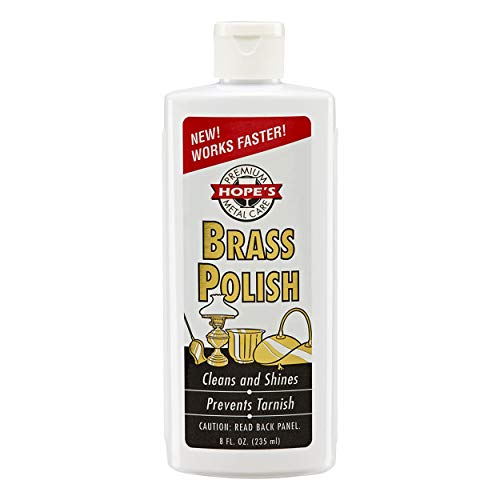
- Brass statue cleaner and wax polish
- Polyresin statue cleaning kit
- Outdoor stone statue sealant and cleaner


Before You Start
Identify the statue material to choose the correct cleaning method. Never use abrasive pads on soft finishes and avoid acidic cleaners on marble or stone surfaces. If the statue sits outdoors, consider weather exposure and potential algae or lichen growth. Work in a well-ventilated area and wear gloves to protect skin. Plan for a 20–40 minute cleaning session, with additional time for drying and sealing if needed.
Step-By-Step: How To Clean Religious Statues
- Assess the material: Determine whether the statue is marble, bronze, brass, polyresin, or garden stone. The cleaning method depends on the finish and porosity.
- Dust gently: Use a soft microfiber cloth or a natural-bristle brush to remove loose dust and cobwebs. Avoid rubbing hard on delicate features.
- Prepare cleaning solution: For marble and stone, use a pH-neutral cleaner or a dilute mild soap solution. For metal statuary, follow manufacturer instructions on metal-specific cleaners.
- Test in a hidden area: Apply a small amount of cleaner to a discreet spot and wait for 5–10 minutes to verify no discoloration or residue appears.
- Clean with care: Dip a soft cloth or brush into the cleaner and gently wipe the statue in a consistent direction. Do not scrub aggressively on crevices or details.
- Rinse and dry: If the product requires rinsing, use clean water and a soft cloth to remove residue. Pat dry with a dry, lint-free towel to prevent water spots or streaks.
- Address tarnish and patina: For bronze or brass, apply the appropriate cleaner polish kit or wax polish per instructions. Buff lightly to restore luster without removing protective patina.
- Polish and wax (optional): If using a metal polish, follow with a protective wax coating to seal against moisture and pollutants. Allow to cure as directed by the product.
- Outdoor-specific care: For outdoor stone or polyresin statues, follow with an outdoor statue sealant and cleaner to extend the finish and reduce moisture ingress.
- Final inspection: Check for any remaining stains, moisture, or dull spots. Repeat non-abrasive cleaning if needed and ensure proper drying before display or placement.
- Maintenance schedule: Plan routine cleanings every 6–12 months for outdoor statues and more frequent dusting for interiors to maintain appearance and longevity.
Troubleshooting
| Symptom | Likely Cause | Fix | Prevention |
|---|---|---|---|
| Dull or cloudy finish after cleaning | Residual cleaner or water spots | Wipe with a clean, dry cloth; gently buff | Rinse thoroughly; dry promptly |
| Discoloration after using cleaner on marble | Incompatible cleaner or acidic solution | Stop and test with a pH-neutral product on a hidden area | Use marble-safe cleaners only |
| Green or black staining on bronze/ brass | Patina removal or corrosion | Reapply metal cleaner according to instructions; consider professional refinishing if staining persists | Apply protective sealant after cleaning |
| Cracking or flaking on polyresin | Harsh cleaners or temperature shock | Switch to gentler polyresin-specific cleaner | Avoid extreme temperatures; test first |
| Efflorescence on stone | Mineral deposits from water exposure | Use stone-safe cleaner and a soft brush; rinse and dry | Seal outdoor stone to reduce moisture ingress |
Common Mistakes
- Using abrasive tools on delicate surfaces that scratch finishes
- Applying metal polishes without proper guidance, which can alter patina
- Over-wetting porous stones, leading to water absorption and staining
- Neglecting a test patch before full cleaning, risking color or texture damage
Tips For Best Results
- Work in a shaded area to prevent rapid drying that can leave streaks
- Keep cleaners at room temperature for more even application
- Use microfiber cloths to minimize lint and scratches
- Document the statue’s current condition before cleaning to monitor changes
- Follow product instructions for curing and sealing times on outdoor finishes
Call A Professional
Consider a professional conservator if the statue shows significant damage, active corrosion, or historic value. Stop cleaning if metal surfaces reveal deep patina loss, if stone shows cracking, or if paint or gilding appears to be flaking. Seek an expert for repairs, resealing, or restoration to avoid irreversible harm.
FAQ
What cleaner is safe for marble statues?
A pH-neutral marble-safe cleaner or a mild soap solution is recommended, tested on a hidden area first.
Can I use household bleach on religious statues?
No. Bleach or acidic cleaners can damage finishes, especially on marble and stone.
How often should outdoor statues be cleaned?
Typically every 6–12 months, with more frequent dusting and seasonal checks for weather-related staining.
Is sealing necessary after cleaning?
For outdoor statues, applying a sealant after cleaning helps protect finishes from moisture and pollutants.
Buying Guide
Choosing the right products for statue care depends on material, location, and maintenance goals. Consider size and weight when moving statues, noise is generally not a factor for cleaning, but ease of handling matters. Energy efficiency is less relevant for cleaning products, but choosing water-based, non-toxic formulas reduces environmental impact. Look for clear labeling about compatibility with marble, bronze, brass, polyresin, and outdoor stone finishes. Pay attention to drying and curing times, surface-safe packaging, and the availability of a matching sealant to protect after cleaning. Placement matters too: indoor statues benefit from low humidity and stable temperatures, while outdoor pieces need weatherproof sealants and periodic inspections for algae or moss growth.