Cleaning a range hood effectively removes built-up grease and keeps the kitchen smelling fresh. This guide outlines practical steps you can follow using common kitchen-cleaning products and safe tools.
Quick Answer
Remove loose grease with a warm soap-and-water solution, then treat stubborn buildup with a degreaser spray. Rinse, wipe dry, and polish stainless steel surfaces to restore shine. Always wear protective gloves and follow product directions.
What You’ll Need
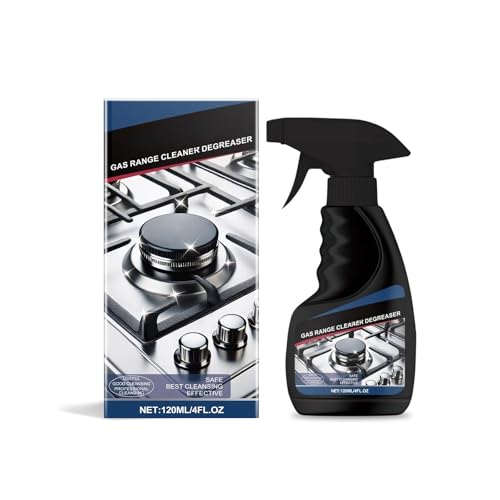
- Stainless steel range hood degreaser spray 24 oz or kitchen hood grease remover spray
- Nylon scrub brush for stove hood grease
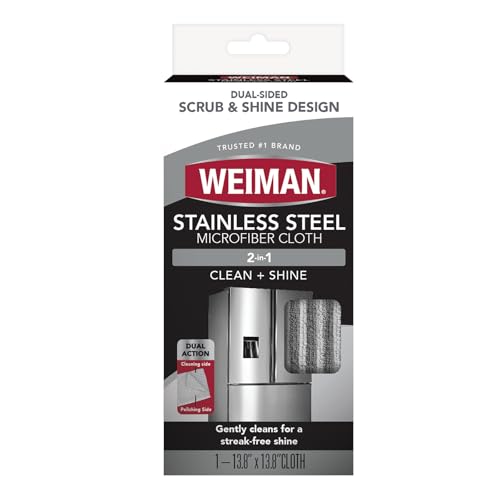
- Microfiber cleaning cloths for stainless steel appliances
- Heat resistant gloves for hood and grill cleaning
- Warm water and mild dish soap
- Optional: soft cloth or sponge for final polish

Before You Start
Clear the area and ensure the hood is cool before cleaning. If your hood has a removable filter, remove it and soak it in warm, soapy water. Avoid chlorine-based cleaners on brushed stainless steel, as they can dull the finish. Plan for 20–40 minutes per cleaning session, depending on grease buildup. Keep an eye on electrical parts and operate the hood only when powered off.
Step-By-Step: How To Clean A Range Hood Grease
- Put on heat resistant gloves and ventilation gear if needed. Clear the counter space and lay down a towel.
- Detach the filter and place it in warm, soapy water. Let it soak while you work on the canopy.
- Wipe the exterior with a damp microfiber cloth to remove loose grime. For stubborn spots, apply a small amount of degreaser spray and let it sit for 1–2 minutes.
- Using the nylon scrub brush for stove hood grease, gently scrub horizontal and vertical surfaces. Focus on creases where grease collects.
- Rinse the cloth and wipe away the degreaser and lifted grease. Repeat with fresh water as needed to prevent streaks.
- Reapply degreaser to areas with heavy buildup, then wipe until the surface looks evenly clean and shiny.
- Rinse the filter thoroughly, then dry it with a clean microfiber cloth before reinstalling it on the hood.
- Polish the exterior with a microfiber cloth to restore shine. Buff in the direction of the metal grain for a uniform finish.
- Inspect the vent and duct area for any remaining residue. If present, repeat the cleaning steps on those sections carefully.
Troubleshooting
| Symptom | Likely Cause | Fix | Prevention |
|---|---|---|---|
| Streaks or water spots | Residue left from degreaser | Wipe with a clean microfiber cloth and rinse with water | Use minimal product and wipe promptly |
| Stubborn grease on edges | Built-up oil in seams | Lightly reapply degreaser and scrub with nylon brush | Clean regularly to prevent buildup |
| Discoloration on stainless steel | Harsh chemicals or improper drying | Switch to milder cleaner and dry thoroughly | Follow manufacturer guidelines |
| Filter won’t dry | Moisture trapped inside | Shake gently and air-dry completely before reinstall | Dry filters after each clean |
Common Mistakes
- Using abrasive pads on stainless steel surfaces
- Cleaning while the hood is hot or powered on
- Over-saturating the filter or motor housing with water
- Applying too much degreaser around electrical components
Tips For Best Results
- Clean on a regular schedule to prevent heavy buildup. A quick weekly wipe can reduce deep cleaning time.
- Always wipe in the direction of the metal grain for an even finish.
- Use microfiber cloths for lint-free drying and a glossy look.
- Store cleaning products out of reach of children and pets.
Call A Professional
If you notice corrosion, persistent grease around electrical components, or unusual odors after cleaning, stop and contact a professional appliance technician. Do not disassemble parts beyond what is recommended by the manufacturer. If the hood fails to operate correctly after cleaning, seek expert help promptly.
FAQ
Is it necessary to remove the filter before cleaning the hood?
Yes. Removing the filter allows better access to grease and permits soaking and thorough cleaning.
Can I use regular household cleaners on stainless steel hoods?
Some cleaners are safe, but avoid harsh solvents and chlorine-based products that can damage the finish.
How often should I clean my range hood?
Light wipes weekly and a deeper clean every 1–3 months, depending on cooking frequency and grease buildup.
Do I need to dry the filter completely before reinstalling?
Yes. A fully dry filter prevents mold and odors and ensures optimal airflow.
What should I do if grease gets into the hood’s motor area?
Stop cleaning near electrical parts and consult a professional if you suspect contamination or damage.
Are degreaser sprays safe for all hood finishes?
Most are safe for stainless steel; always check the label and test a small area first.
Can I use a steam cleaner on my hood?
Steam can be effective but may force moisture into seals or electrical components; use with caution and according to manufacturer guidelines.
Buying Guide
Choosing the right tools and products for range hood cleaning depends on several factors. Consider size and access to hard-to-reach areas, noise level when using cleaning tools, and energy efficiency implications of any powered parts during maintenance. For most households, a stainless steel range hood degreaser spray 24 oz paired with a nylon scrub brush for stove hood grease and microfiber cleaning cloths offers a safe, effective approach. Ensure that cleaners are labeled safe for stainless steel and avoid abrasive materials that could scratch finishes. When planning cleaning sessions, select a compact, ergonomic brush and a set of microfiber cloths sized for easy handling in tight spaces. Placement and mounting height of the hood can influence how accessible certain spots are; adjust your stance and tools to minimize bending and reach safely. Finally, check product compatibility with your hood’s finish to maintain a polished look over time.