Cleaning rainbow trout is a common task for anglers and home cooks alike. This guide provides a clear, step-by-step method using common tools to prepare trout for filleting, cooking, or storage. The process emphasizes safety, efficiency, and preserving meat quality.
Quick Answer
Rinse the fish, remove the scales, gut the cavity, rinse again, and then fillet or skin as desired. Use a sharp knife, keep the cutting surface steady, and clean hands and tools between steps to prevent contamination.
What You’ll Need
- 6 inch stainless steel trout fillet knife
- fish scaler stainless steel trout scaling tool
- boning tweezers stainless steel fish cleaning tool
- non-slip cutting board large fish fillet board
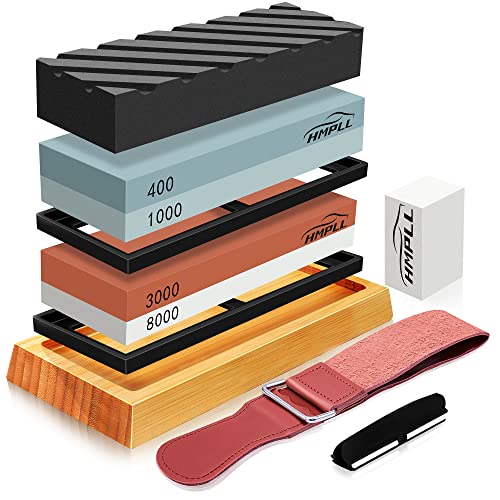
- fillet knife sharpener sharpening stone for knives


Before You Start
Choose a clean, cool workspace and a stable surface. Have a sink or large tub of cold water nearby for rinsing. Wear gloves if desired and use careful hand hygiene to minimize bacterial transfer. Time estimate: 10–20 minutes per fish, depending on size. Keep fish cold until ready to fillet to preserve texture.
Step-By-Step: How To Clean Rainbow Trout
- Place the fish on the non-slip cutting board and rinse with cold water to remove any slime or debris.
- Use the fish scaler to remove scales from tail to head, applying even pressure and working along the body.
- Rinse again to wash away loose scales and blot dry with a clean towel.
- Hold the fish firmly and insert the knife just behind the gills to make a shallow cut along the belly.
- Open the abdomen and extend the cut toward the tail to expose the cavity.
- Remove entrails with gloved hands or a pair of boning tweezers, pulling them out in a smooth motion. Rinse the cavity thoroughly.
- Trim the head and fins if desired using the 6 inch stainless steel trout fillet knife, then rinse the fillet area again.
- For fillets, lay the fish flat and make clean, shallow cuts along the backbone to separate fillets from the ribs.
- Skinning option: place fillet skin-side down and slide a sharp knife between flesh and skin, keeping the blade angled slightly downward.
- Check for bones in the fillet and remove any remaining pin bones with the boning tweezers.
- Rinse the finished fillets one final time and pat dry before cooking or freezing.
Troubleshooting
| Symptom | Likely Cause | Fix | Prevention |
|---|---|---|---|
| Slippery fish while filleting | Wet hands or surface | Dry hands and board; use a non-slip board | Keep water tray nearby; pat fish dry before starting |
| Scales remain after scaling | Hard scales or improper technique | Rerun scaler with firmer strokes | Scale from tail to head consistently |
| Fillet flesh sticking to blade | Blade angle or dull knife | Sharpen knife; adjust angle to 15–25 degrees | Keep blade sharp and clean |
| Bones missed in fillet | Pin bones left behind | Inspect with fingers and remove with tweezers | Check fillet lengthwise and crosswise |
Common Mistakes
- Rushing the scaling or gutting process, leading to debris in the meat
- Using a dull knife that tears flesh instead of cleanly slicing
- Not chilling the fish promptly, which can affect texture
- Skipping a thorough rinse between steps, risking contamination
Tips For Best Results
- Keep the non-slip cutting board and knife edges dry for control.
- Always work with a cold fish; cold meat is firmer and easier to handle.
- Hold the fillet away from the blade to minimize waste and maximize yield.
- Sharpen the fillet knife sharpener sharpening stone for knives regularly to maintain clean cuts.
- Label and freeze portions promptly if not cooking immediately.
Call A Professional
Seek professional help if a fish shows signs of illness, if the fish is contaminated with off odors, or if the fish is unusually soft or discolored. Additionally, complex pipe cleanup or custom butchering for large catch may warrant a pro’s assistance.
FAQ
Do I need to scale rainbow trout before gutting?
Yes, scaling first makes gutting and cleaning easier and flushes away loose scales.
Can I skin rainbow trout fillets after cleaning?
Yes, skinning can be done on fillets with a sharp knife, keeping the blade angle shallow against the flesh.
What is the best knife for filleting rainbow trout?
A flexible, sharp 6 inch stainless steel trout fillet knife is ideal for thin, clean fillets.
How should I store cleaned trout?
Rinse, pat dry, wrap tightly, and refrigerate or freeze promptly to preserve freshness.
Buying Guide
A practical buyer’s guide helps choose gear for cleaning rainbow trout efficiently. When selecting tools, consider size, material, and grip comfort. Look for a non-slip cutting board with a wide surface to keep fish stable. A fish scaler stainless steel trout scaling tool should have durable teeth and easy cleaning. For precision filleting, a 6 inch stainless steel trout fillet knife paired with a fillet knife sharpener sharpening stone for knives ensures sharp, clean cuts. Boning tweezers are useful for pin bones, while ergonomic handles reduce hand fatigue. Finally, ensure the setup can fit your kitchen space and storage needs. Would you prioritize compact tools or a full filleting station for frequent use?