PU leather, or polyurethane-coated synthetic leather, is a popular alternative to genuine leather due to its durability and lower maintenance needs. Proper cleaning preserves its appearance and extends its life. This guide provides clear steps, recommended tools, and practical tips for cleaning PU leather in a typical American home.
Quick Answer
For routine cleaning, wipe with a damp microfiber cloth, then use a gentle PU leather cleaner on a soft surface. Dry promptly and condition occasionally with a leather conditioner spray designed for PU synthetic leather. Avoid soaking leather, harsh chemicals, and high heat to prevent damage.
What You’ll Need
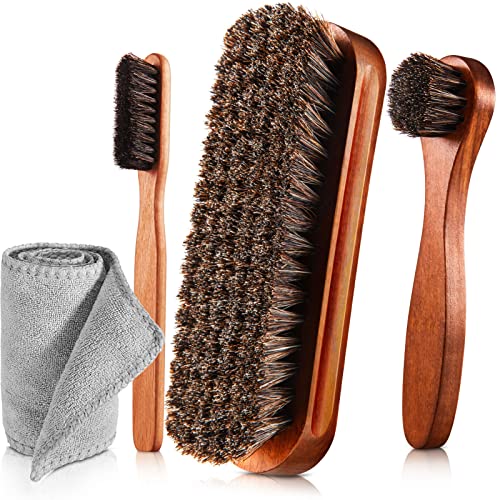
- PU leather cleaner brush set
- Microfiber cloth for PU leather cleaning
- Leather conditioner spray for PU synthetic leather
- Soft bristle brush for PU leather cleaning
- Sponge applicator cleaner for PU leather


Before You Start
Test cleaning products in an inconspicuous area to ensure no color transfer or surface dulling occurs. Work on a cool, dry surface away from direct sunlight or heat sources. Do not use abrasive pads or harsh solvents. Allow surfaces to dry completely before use or seating. Time estimates: 10–20 minutes for routine cleanings, 30–60 minutes for deep cleans and conditioning.
Critical cautions: Avoid soaking PU leather; excessive moisture can seep into seams. Use only products labeled safe for PU synthetic leather. Keep cleaners out of reach of children and pets.
Step-By-Step: How To Clean PU Leather
- Remove loose debris with a dry microfiber cloth to prevent grinding dirt into the surface.
- Mix a small amount of PU leather cleaner according to the product instructions, if required, or use a dedicated cleaner on a damp cloth.
- Dip a soft bristle brush for PU leather cleaning into the cleaner and gently work in circular motions on blemishes or stains.
- Wipe the area with a microfiber cloth for PU leather cleaning, removing loosened grime and cleaner residue.
- For stubborn spots, use a sponge applicator cleaner for PU leather to apply a little cleaner and blot; avoid scrubbing hard.
- Rinse or wipe away all cleaner residues with a clean, damp microfiber cloth; ensure the surface is not flooded with moisture.
- Dry the PU leather with a dry towel and allow to air-dry away from heat sources.
- Apply a light coat of leather conditioner spray for PU synthetic leather if the manufacturer recommends conditioning, then buff with a clean cloth.
- Reassess the surface after drying. Repeat steps for any remaining spots; avoid over-wetting the area.
- Store cleaning tools in a dry, ventilated area to prevent mold and odor buildup.
- For textured or seam areas, repeat the process with careful pressure to avoid stretching or deformation.
- Regular maintenance: wipe weekly with a damp microfiber cloth and condition every few months depending on use.
Troubleshooting
| Symptom | Likely Cause | Fix | Prevention |
|---|---|---|---|
| Streaks or residue after cleaning | Excess cleaner or improper wiping | Wipe with a clean, damp microfiber cloth and buff dry | Use minimal product and follow instructions |
| Fading color or dull shine | Harsh cleaners or over-wiping | Switch to a mild cleaner; avoid repeated aggressive scrubbing | Spot-test first; use the correct product for PU |
| Sticky surface after cleaning | Insufficient drying or residue | Dry thoroughly with a towel and air-dry | Ventilate area and avoid sealing in moisture |
| Cracking or hard feel | Over-conditioning or degraded PU coating | Limit conditioning; use manufacturer-approved products | Condition only as recommended |
| Color transfer to cloth | Testing too aggressively on colored PU | Test in an inconspicuous area first | Use products designed for PU and color-safe cleaners |
Common Mistakes
- Using heavy solvents or alcohol-based cleaners on PU leather
- Soaking surfaces or letting water pool in seams
- Scrubbing aggressively with hard brushes or abrasive pads
- Rushing the drying process, leading to water marks
- Skipping a test patch before full-area cleaning
Tips For Best Results
- Work in small sections to prevent cleaning products from drying unevenly.
- Choose a microfiber cloth for PU leather cleaning in a soft weave to minimize scratching.
- Pair cleaners with a matching PU leather cleaner brush set for stubborn areas, but use brushes gently.
- Always condition PU synthetic leather as recommended by the product guidelines to maintain suppleness.
- Test colorfastness on hidden fabric or seams before applying products widely.
Call A Professional
Seek professional help if PU leather shows deep stains, significant cracking, or color fading after multiple cleaning attempts. Stop further DIY attempts if you observe bubbling, peeling, or unusual odors, which may indicate adhesive or substrate damage.
FAQ
Can PU leather be cleaned with just water?
Lightly dampening a microfiber cloth with water is fine for routine dust, but use a dedicated PU cleaner for stains or grime.
Is conditioner necessary for PU leather?
Conditioning helps maintain flexibility and appearance when recommended by the product, but not all PU materials require it.
What should I avoid cleaning PU leather with?
Avoid bleach, ammonia-based cleaners, and harsh solvents that can degrade the coating.
How often should I clean PU leather?
Wipe weekly with a damp cloth; deep-clean every few months or as needed based on use and exposure to dirt.
Buying Guide
When selecting cleaning supplies and accessories for PU leather, consider size and scope of use, stain types, and the level of care you’re willing to commit. Key buying factors include the effectiveness of the cleaner on synthetic surfaces, the gentleness of the brush set, and the suitability of a conditioner spray for PU synthetic leather. Below are perspectives to help choose the right kit.
- Size and scope: For a single sofa or chair, a compact PU leather cleaner brush set paired with a microfiber cloth typically suffices; larger households may appreciate a multi-brush kit and extra cloths.
- Noise level and ease of use: Look for low-noise brushes and simple spray conditioners to minimize effort and disruption.
- Energy efficiency: Not applicable to cleaning tools; focus on durability and refillability of products to reduce waste.
- Controls and application: Choose a leather conditioner spray for PU synthetic leather that offers even spray patterns and clear instructions.
- Placement and storage: Store cleaning tools in a dry, ventilated area away from sunlight to prevent degradation of materials.
- Material compatibility: Verify that all cleaners are labeled for PU synthetic leather and compatible with your furniture’s coating.
- Maintenance plan: A simple schedule—weekly wipe-downs, monthly spot cleanings, and quarterly conditioning—keeps PU leather looking new longer.
With the right tools and a steady routine, PU leather surfaces can remain clean, flexible, and visually appealing for years. Would you like help selecting a starter kit from the items listed above or tailoring a clean-and-maintain plan to a specific piece of furniture?