Powder coated metal offers durability and a smooth finish, but keeping it pristine requires the right approach. This guide walks through practical steps, tools, and safety considerations to clean powder coated surfaces without marring the finish.
Quick Answer
Use a pH-neutral cleaner and soft tools to avoid scratching or dulling the coating. Gently wipe with a microfiber cloth, rinse with clean water, and dry promptly. For stubborn spots, apply a non-abrasive sponge or a soft nylon brush and follow with a light wipe and rinse.
What You’ll Need
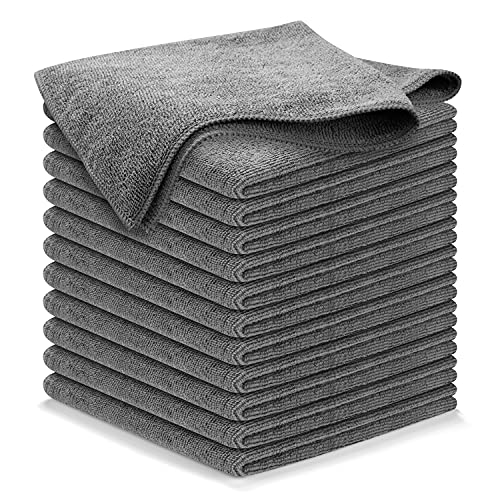
- Microfiber cleaning cloths for powder coated metal
- Non-abrasive sponge for powder coated metal cleaning
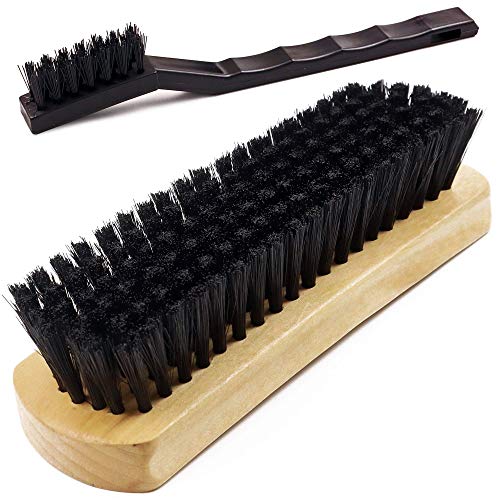
- Soft nylon brush for powder coated metal surfaces
- pH-neutral spray cleaner for powder coated metal
- Isopropyl alcohol wipes for powder coated metal cleaning

Before You Start
Before cleaning, remove loose dust with a light brush or dry microfiber. Work in a shaded area to prevent cleaner from drying too quickly. Test the cleaner on a small, inconspicuous area first to ensure no discoloration. Time estimate: 15–30 minutes per cleaning session depending on area size. Do not use abrasive pads, strong solvents, or high-pressure washers on powder coated surfaces, as these can chip or dull the finish.
Step-By-Step: How To Clean Powder Coated Metal
- Dust the surface with a dry microfiber cloth to remove loose debris.
- Lightly mist a pH-neutral spray cleaner for powder coated metal onto a microfiber cloth, not directly onto the surface.
- Wipe in smooth, even strokes along the grain or across the surface to lift dirt.
- For spots or residue, use a non-abrasive sponge for powder coated metal cleaning with the same cleaner.
- If needed, gently scrub with a soft nylon brush for powder coated metal surfaces in small circular motions.
- Rinse by wiping with a clean, damp microfiber cloth to remove any cleaner residue.
- Dry promptly with a dry microfiber cloth to prevent water spots or streaks.
- For sticky or oily areas, wipe with isopropyl alcohol wipes for powder coated metal cleaning, then rinse and dry.
- Inspect the finish and repeat any gentle cleaning steps if necessary, avoiding scrubbing pressure.
- Store cleaners in a cool, shaded area and keep tools clean to prevent transferring grit.
Troubleshooting
| Symptom | Likely Cause | Fix | Prevention |
|---|---|---|---|
| Cloudy or dull patches | Residue from cleaner or hard water | Wipe with a fresh microfiber cloth and rinse, then dry | Rinse promptly; avoid soap buildup |
| Scratches visible after cleaning | Using abrasive tools | Switch to non-abrasive sponges and soft cloths | Use gentle pressure; test on inconspicuous area |
| Color fading or spotting | Strong solvents or sun exposure during cleaning | Use pH-neutral cleaner only; avoid direct sun | Clean in shade; use proper cleaners |
| Peeling coating spots | Mechanical damage or improper preparation | Professional assessment for repaints or touch-ups | Gentle cleaning, no aggressive scrubbing |
Common Mistakes
- Using acidic or alkaline cleaners on powder coated metal
- Scrubbing with abrasive pads or brushes
- Letting cleaner dwell too long or drying on the surface
- Cleaning in direct sunlight or on hot surfaces
Sticking to neutral cleaners and soft tools helps maintain the coating’s look and longevity.
Tips For Best Results
- Test cleaners on a hidden area first to verify color and finish.
- Wipe in consistent directions to reduce streaks and ensure even coverage.
- Use distilled water if hard water spots appear after rinsing.
- Regular light cleaning reduces the need for aggressive scrubbing later.
Call A Professional
Seek professional help if you notice significant chipping, peeling, rust under the coating, or widespread discoloration that persists after cleaning. If you’re unsure about the coating’s compatibility with a cleaner or if the surface is decorative or structural, a trained refinisher or coating specialist can assess and advise on recoating or repair options.
FAQ
What is the best cleaner for powder coated metal?
A pH-neutral spray cleaner designed for powder coated metal works best for regular maintenance.
Can I use bleach or ammonia on powder coated surfaces?
No. Bleach and ammonia can degrade the coating and should be avoided.
How often should I clean powder coated metal?
Light cleaning every few weeks or as needed to remove dust and fingerprints helps preserve the finish.
Is hot water safe for powder coated surfaces?
Warm water is generally fine, but extremely hot water can affect certain finishes; test if unsure.
Buying Guide
Choosing the right cleaning routine and tools for powder coated metal depends on several factors. Consider size and accessibility of the area to clean, the typical level of grime, and how often maintenance occurs. Noise and energy use aren’t major concerns for manual cleaning tools, but you may prefer quiet, hand-operated tools for indoor appliances or indoor metal furniture. Look for tools and cleaners labeled specifically for powder coated finishes to minimize risk of damage. Think about storage space, product compatibility with outdoor versus indoor metal items, and the ease of disposal for used wipes and rags. Finally, select tools that complement your existing cleaning regimen and furniture or equipment style.