Maintaining a clean pool floor helps prevent algae growth, keeps water clear, and reduces long-term maintenance costs. This guide provides a practical approach using common equipment designed for in-ground pools, including vacuums, brushes, and poles.
Readers will learn how to select the right tools, prepare the area, and follow a reliable cleaning routine that works for most concrete and plaster pool floors.
Quick Answer
For most in-ground pools, use a combination of an automatic pool vacuum for the pool floor and a stiff nylon pool floor brush for stubborn debris. Pair a telescoping pool pole for floor cleaning with a compatible vacuum hose kit to reach and cover the entire floor efficiently.
What You’ll Need
- Automatic pool vacuum for pool floor
- Manual suction-side pool vacuum head for in-ground pool
- Stiff nylon pool floor brush for concrete pools
- Telescoping pool pole for floor cleaning
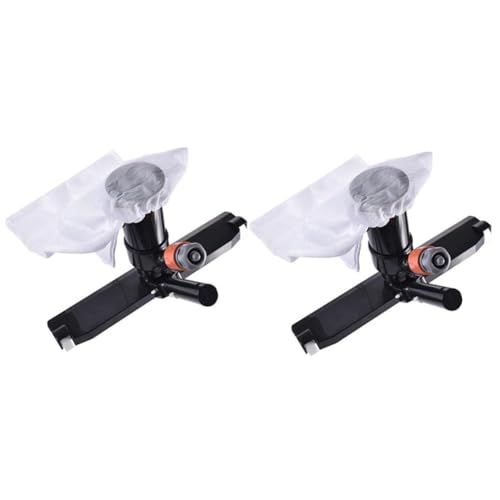
- In-ground pool vacuum hose kit with suction port


Before You Start
Plan cleaning for a calm period of the day to minimize wind-driven debris. Check water level and ensure pumps are functioning before starting. Wear protective eyewear if splashing is expected and keep children and pets away from the pool during cleaning. Expect a typical cleaning session to take 30–60 minutes depending on pool size and debris load.
Step-By-Step: How To Clean Pool Floor
- Inspect equipment: test the automatic pool vacuum and ensure the suction port and hose are free of kinks.
- Prepare the hose: attach the vacuum hose kit to the pool pump and ensure all connections are secure.
- Attach vacuum head: connect the manual suction-side pool vacuum head for in-ground pool to the telescoping pole.
- Submerge and prime: slowly lower the vacuum head and hose into the water to fill with water, preventing air bubbles.
- Start the vacuum: power on the automatic vacuum or manually guide the suction head along the floor, focusing on corners and drains.
- Brush as you go: use the stiff nylon pool floor brush for concrete pools to scrub any stubborn debris, especially in rough or stained areas.
- Cover the floor methodically: work in a grid pattern, overlapping passes to avoid missed patches.
- Clear debris from the skimmer: periodically check the skimmer basket and return lines to maintain suction.
- Rinse and reset: after cleaning a section, rinse the hose and brush to prevent re-deposition of debris.
- Finish and store: power down equipment, drain excess hose water, and store tools where they won’t be damaged by sun exposure.
- Evaluate results: skim the surface and check the water clarity; repeat if needed on particularly dirty days.
Troubleshooting
| Symptom | Likely Cause | Fix | Prevention |
|---|---|---|---|
| Vacuum loses suction | Air leaks in hose/port | Check connections; re-prime hose | Inspect hoses after each use |
| Uneven cleaning or misses spots | Inadequate brushing; irregular passes | Brush zones and adjust pattern | Use grid pattern consistently |
| Brush head binding on floor | Debris lodged in brushes | Rinse brush; remove large debris | Clean brush and hose after use |
| High energy use or overheating | Pump overworked; blocked return lines | Check pump and skimmer; clear lines | Regular maintenance schedule |
Common Mistakes
- Starting cleaning without priming the hose, causing air locks
- Neglecting to brush stubborn stains before vacuuming
- Overlooking corners and steps where debris collects
- Using a too-short pole that forces awkward positions and missed areas
Tips For Best Results
- Choose a compatible combination of tools: a reliable automatic pool vacuum for pool floor paired with a stiff nylon brush for tough stains.
- Optimize suction by keeping hoses straight and avoiding sharp bends near the pump.
- Perform routine checks on the vacuum hose kit to prevent suction loss during cleaning.
- Schedule periodic deep cleaning after heavy rainfall or windy days to maintain clarity.
- Store equipment out of direct sun to extend the life of hoses and plastic components.
Call A Professional
Consider professional assistance if the pool floor shows persistent staining, widespread algae growth, or damaged plaster. Stop signs to seek help include persistent cloudy water, green or brown patches during cleaning, or equipment repeatedly failing to achieve satisfactory suction. A pro can assess plaster integrity, pool circulation, and overall filtration efficiency.
FAQ
What is the best method to clean a pool floor?
Combine an automatic pool vacuum for the floor with a stiff nylon brush for stubborn stains, and use a telescoping pool pole to reach all areas.
How often should I brush the pool floor?
Brush weekly to prevent algae buildup and ensure debris doesn’t settle into tiny crevices.
Can I use the vacuum without a brush?
Yes, but brushing improves stain removal and debris dislodging, especially on concrete floors.
What maintenance is required for the vacuum hose kit?
Rinse after use, inspect for cracks, and clear any debris from suction ports to maintain efficiency.
Is it okay to leave the pool cleaner attached while the pump runs?
In most cases, yes, but ensure connections are secure and monitor for overheating or unusual noises.
Do I need specialized cleaners for concrete pool floors?
Generally, a standard pool-safe cleaner and a stiff brush are sufficient for most concrete floors.
What should I do if the floor is heavily stained?
Consider a more thorough scrubbing with the stiff nylon brush and, if needed, consult a professional for deep staining or plaster concerns.
Buying Guide
Choosing the right equipment for cleaning a pool floor depends on pool type, floor material, and cleaning frequency. Here are key factors to consider to make a smart purchase.
Size and layout: Larger pools benefit from a robust automatic pool vacuum for pool floor and a long telescoping pole for reach. Smaller or irregular spaces may still perform well with a compact suction-side head and flexible hoses.
Floor material: Concrete pools tolerate stiff nylon brushes that dislodge stubborn deposits. If polished plaster or white plaster is present, ensure brushes are non-abrasive to avoid scratching.
Noise and energy usage: Look for energy-efficient pumps and quiet operation. Choose tools with simple on/off controls and easily replaceable parts.
Controls and compatibility: Confirm that the in-ground pool vacuum hose kit with suction port fits your pump outlet and skimmer design. Verify compatibility between the vacuum head and your telescoping pole.
Placement and storage: Store tools in a shaded, dry area to extend life. Consider a lightweight telescoping pool pole for floor cleaning for easy handling and transport.
Overall cost vs longevity: Invest in reliable brands with replaceable parts and widely available accessories to reduce long-term costs.
Maintenance plan: A simple routine leveraging the right combination of tools will yield best long-term results. Would you prefer a one-device solution or a modular setup that can be upgraded over time?