Polyurethane finishes provide a durable protective layer on wood surfaces, but they require proper cleaning to maintain their luster. This guide walks through safe, step-by-step methods using common tools and products that are often used for polyurethane projects.
Readers will find practical tips for daily maintenance, stain removal, and avoiding damage to the finish. With the right approach, wood furniture, floors, and crafts with polyurethane can stay clean and glossy for years.
Quick Answer
To clean polyurethane on wood, use a mild spray cleaner or a specialized polyurethane finish cleaner, then wipe with a soft microfiber pad or cloth. For tougher grime, a gentle brush or sponge can help, followed by a light buff with a clean cloth. Avoid abrasive scrubbers and harsh chemicals that can dull the finish.
What You’ll Need
- Polyurethane floor cleaner spray bottle 32 oz wood finish
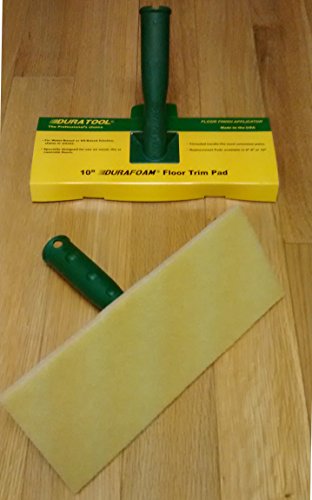
- Microfiber cleaning pad for polyurethane finish
- Wood furniture polyurethane cleaner cloth kit
- Polyurethane finish surface cleaner spray for wood
- Polyurethane coated wood cleaning kit brush sponge pad


Before You Start
Clear the area of objects and protect nearby surfaces from moisture. Test any cleaner in an inconspicuous spot first to ensure no discoloration.
Cautions: Do not use abrasive pads, ammonia, bleach, or steel wool on polyurethane. Work in a well-ventilated area and allow surfaces to dry fully between steps.
Time estimate: 15–30 minutes for a typical clean, longer for built-up grime or large surfaces.
Step-By-Step: Clean Polyurethane Finishes On Wood
- Dust the surface with a dry microfiber pad to remove loose dirt.
- Apply a light mist of polyurethane finish surface cleaner spray for wood onto a clean cloth or pad.
- Wipe the surface in the direction of the grain with steady, even strokes.
- For stubborn spots, dampen a soft sponge or brush with cleaner and gently scrub, then wipe away excess.
- Rinse the area by wiping with a clean, slightly damp cloth to remove any cleaner residue.
- Dry the surface with a dry microfiber pad to prevent streaks and water spots.
- Polish with a clean, dry cloth to restore the finish’s shine.
- For high-traffic areas, repeat the process periodically to maintain protection and appearance.
Troubleshooting
| Symptom | Likely Cause | Fix | Prevention |
|---|---|---|---|
| Cloudy or streaky finish | Cleaner residue or moisture | Wipe with a dry cloth or re-wipe with a clean damp cloth, then dry | Use a light touch; avoid saturating the surface |
| Scratches or dull spots | Abrasion or improper cleaning product | Buff with a soft pad and reapply a compatible cleaner if needed | Test cleaners first; use soft pads |
| Sticky surface after cleaning | Too much cleaner or residue | Wipe thoroughly with a damp cloth, then dry | Use minimal product per area |
| Color change or yellowing | Harsh chemicals or sun exposure | Avoid harsh cleaners; move away from direct sun | Use UV-protective finishes or covers |
Common Mistakes To Avoid
- Using abrasive sponges or pads that scratch the polyurethane surface
- Over-wetting the area or using too much cleaner
- Skipping a proper drying step, leaving streaks or residue
- Cleaning with ammonia-based products that can dull the finish
Tips For Best Results
- Always test cleaners in a hidden spot before full-surface use.
- Clean small areas at a time to maintain even results.
- Schedule periodic maintenance for high-traffic wood surfaces.
- Use the same brand or compatible products for consistent results.
Call A Professional
Consider contacting a professional if the polyurethane shows widespread yellowing, peeling, or lifting away from the wood. Seek expert help for surfaces with antique finishes or delicate wood patterns where improper cleaning could cause irreversible damage.
FAQ
Can I use household spray cleaners on a polyurethane finish?
It is best to use cleaners labeled for polyurethane or mild, non-abrasive cleaners to avoid damage.
Is it safe to use water on polyurethane floors?
Water should be used sparingly and dried quickly to prevent long-term moisture exposure.
How often should I clean polyurethane-coated furniture?
Regular light cleaning can be done weekly, with deeper cleans as needed for stains or grime.
Will cleaning restore the shine on a dull polyurethane finish?
Yes, a proper buffing with a clean cloth after cleaning can restore luster in most cases.
What cleaners are recommended for polyurethane finishes?
Use cleaners specifically designed for polyurethane or mild, non-abrasive wood cleaners.
Can I use a steam cleaner on polyurethane finishes?
Steam is generally not recommended as it may damage the finish.
Should I recoat polyurethane after cleaning?
Recoating is typically needed only when the finish shows wear; cleaning alone rarely suffices.
Buying Guide
Choosing the right products to clean polyurethane finishes involves considering several factors. Size matters: larger spray bottles reduce refill frequency but take up more storage space. Noise level is typically low for spray systems, but consider if the device must operate quietly in a living area. Energy efficiency is less critical for cleaning tools, yet battery-powered options should be evaluated for efficiency and runtime. Controls should be simple—spray nozzle or pump mechanisms that deliver a consistent amount of cleaner. Placement matters; store cleaners in a cool, dry area away from direct sunlight to preserve formula integrity. When comparing products, look for compatibility with polyurethane finishes, ease of use, and bundle options that include microfiber pads or cloth kits for a complete cleaning solution.
In practice, users benefit from a kit that combines a dedicated polyurethane cleaner spray, a microfiber cleaning pad, and a compatible cleaning cloth set. This combination minimizes switching between tools and helps maintain a uniform appearance across wood surfaces. For larger projects, a 32 oz spray bottle can offer ample coverage without frequent reapplication, while smaller kits are convenient for furniture and decorative pieces. Always verify that the kit’s components are designed for polyurethane finishes to avoid unintended damage.