Polished aluminum surfaces add a bright, modern look to appliances, furniture, and outdoor fixtures. Proper cleaning removes grime, oxidation, and fingerprints without dulling the shine. This guide provides a practical, step-by-step approach using common tools and the provided product keywords to keep polished aluminum gleaming.
Quick Answer
For best results, start with a non-abrasive cleaner to remove surface dirt, then use a dedicated aluminum polish to restore luster. Wipe with a soft microfiber cloth and finish with a light buff to a high shine. For outdoor pieces, use a brightener to refresh oxidation before polishing.
What You’ll Need
- Polished aluminum cleaner spray non-abrasive
- Aluminum metal polish compound for polished surfaces
- Microfiber cloths for polishing polished aluminum
- Aluminum brightener for outdoor aluminum surfaces
- Non-scratch aluminum polish pad kit
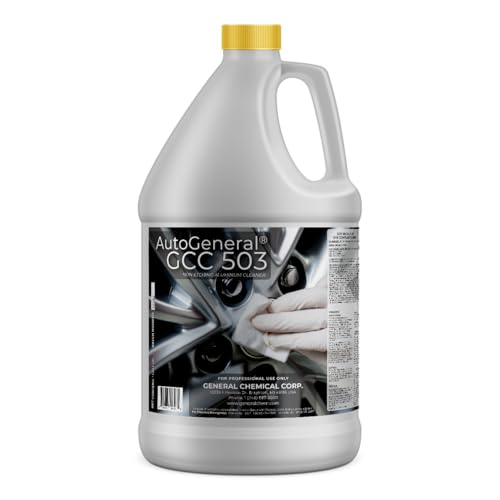

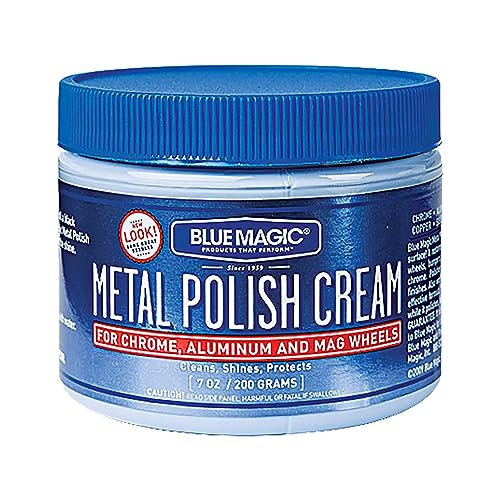
Before You Start
Prepare a small, shaded work area to avoid water spots. Protect nearby surfaces with a soft cloth or towel. Wear gloves to minimize skin contact with cleaners. Always test cleaners on a small, inconspicuous area first. Expect cleaning to take 20–45 minutes depending on the surface size and oxidation level. Avoid abrasive pads or steel wool, which can scratch polished aluminum and dull the finish.
Step-By-Step: Cleaning Polished Aluminum
- Dust the surface with a dry microfiber cloth to remove loose debris.
- Apply a light mist of polished aluminum cleaner spray non-abrasive to a small area at a time.
- Wipe with a clean microfiber cloth using gentle, circular motions to lift grime.
- If oxidation or yellowing is present on outdoor pieces, apply aluminum brightener for outdoor aluminum surfaces per label directions, then rinse.
- Rinse thoroughly with clean water to remove cleaner residue, then dry with a soft cloth.
- Apply a small amount of aluminum metal polish compound for polished surfaces to a clean, dry cloth or non-scratch aluminum polish pad kit.
- Buff in a circular motion until the surface shines evenly, applying light pressure as needed.
- Switch to a fresh microfiber cloth to remove any remaining residue and finalize a high-gloss finish.
- Inspect for dull patches; repeat polishing on any area that looks hazy or darker.
- For intricate details, use the non-scratch aluminum polish pad kit to reach corners and ridges without scratching.
- Wipe away any excess polish and perform a final once-over with a clean cloth.
- Return the surface to its environment and enjoy the renewed shine.
Troubleshooting
| Symptom | Likely Cause | Fix | Prevention |
|---|---|---|---|
| Dull or hazy finish after cleaning | Residual cleaner or improper buffing | Re-wipe with clean microfiber and buff until clear | Use fresh cloths; avoid over-wetting |
| Streaks or watermark spots | Uneven drying or hard water | Dry with a lint-free cloth and polish in small sections | Dry thoroughly; use distilled water for final rinse |
| Scratches appear after polishing | Using abrasive tools or pads | Switch to non-scratch aluminum polish pad kit and soft cloth | Always test on an inconspicuous area first |
| Oxidation returns quickly outdoors | Exposure to sun and weather without protective sealant | Reapply aluminum brightener and follow with polish; consider sealant | Periodic maintenance schedule |
Common Mistakes
- Using abrasive cleaners or steel wool on polished aluminum
- Skipping the final buffing step, leaving residue that dulls shine
- Over-wetting the surface, which can cause streaks and water spots
- Neglecting crescent or corner areas where grime collects
Tips For Best Results
- Always work in small sections to control buffing pressure and prevent uneven shine.
- Use fresh microfiber cloths to avoid transferring residues back onto the surface.
- For outdoor items, schedule regular maintenance to counteract environmental buildup.
- Follow product directions closely, especially for brighteners and polish compounds.
Call A Professional
Consider a professional if the surface shows deep scratches, extensive corrosion, or if large outdoor structures require disassembly for thorough cleaning. Seek help if a coating or protective finish appears compromised, or if cleaning challenges persist after repeated attempts.
FAQ
Can I use regular household cleaners on polished aluminum?
Avoid common household cleaners that contain ammonia or harsh solvents; use products labeled for polished aluminum or non-abrasive cleaners.
Will polishing aluminum cause color changes?
Proper polishing enhances shine without changing the base color. Avoid over-polishing in one area to prevent uneven patina.
How often should I clean outdoor aluminum surfaces?
Clean every few months or after heavy weather exposure to prevent buildup and oxidation.
Is it safe to use a microfiber cloth on aluminum?
Yes, microfiber cloths are ideal for removing residue and buffing without scratching.
Buying Guide
Key buying factors help choose the right products for polished aluminum care.
- Cleaning vs. polishing: Distinguish between a non-abrasive cleaner and a dedicated polish compound to target grime and restore shine.
- Surface compatibility: Ensure products are safe for aluminum and specifically designed for polished finishes.
- Application tools: Consider microfiber cloths and non-scratch polish pads for safe, even results.
- Outdoor maintenance: Choose a brightener formulated for outdoor aluminum to refresh oxidation before polishing.
- Ease of use: Look for spray cleaners for quick jobs and compound/pads for deeper restoration.
- Maintenance interval: Plan regular, light cleanings to minimize heavy polish sessions.
With the right combination of cleaner, polish, and soft cloths, polished aluminum can maintain a bright, reflective surface for years. Do you have a mix of indoor and outdoor aluminum items? A tailored routine can keep both realms gleaming.