Clean, streak-free picture frame glass enhances the look of photos, artwork, and decor. This guide walks through a practical, chemicals-conscious method suitable for most frames and glass types found in American homes.
By following the steps below, homeowners can achieve crystal clarity without damaging frames, matting, or the glass itself.
Quick Answer
Use a soft microfiber cloth or lint-free wipes with a gentle, ammonia-free glass cleaner. Wipe in a single direction, use a squeegee with a microfiber sleeve for stubborn smudges, and finish with a dry panel to prevent streaks.
What You’ll Need
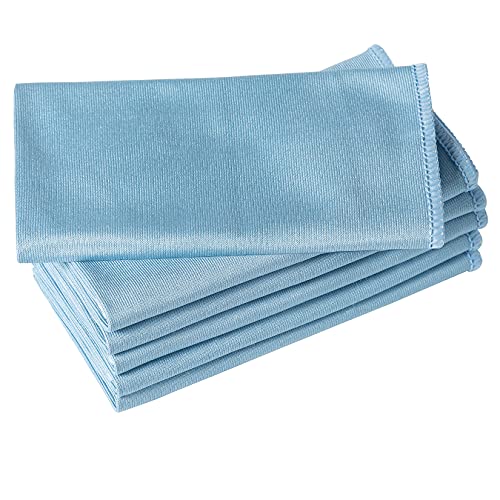
- microfiber cloth for glass cleaning
- lint-free glass cleaning wipes
- glass cleaner spray bottle ammonia-free
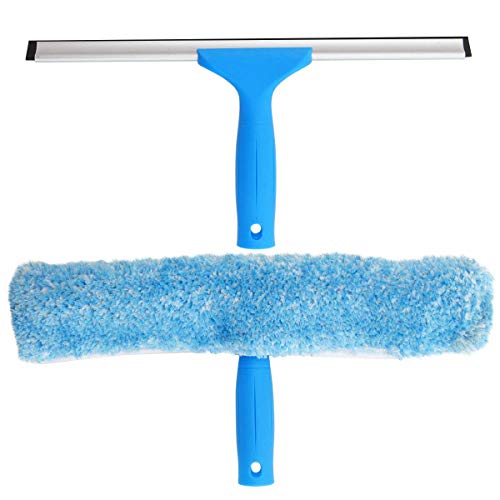
- squeegee with microfiber sleeve
- soft microfiber sponge glass cleaner for frames
- Optional: old T-shirt or another clean, lint-free cloth for final buff

Before You Start
Inspect the frame and glass for loose parts or chipping edges. Remove the artwork or photo if possible to avoid cleaning residue on the mat or backboard. Use a well-ventilated area and keep liquids away from wood frames to prevent warping or finish damage. Time estimate: 5–10 minutes for a typical frame.
Caution: Do not spray cleaner directly onto framed glass that sits flush against the artwork or paper mat; apply cleaner to cloth first to avoid dampening the backboard or adhesive.
Step-By-Step: How To Clean Picture Frame Glass
- Detach the glass or lift the artwork safely, if possible, to prevent smudges on the front while cleaning.
- Hold the frame steady and lightly dust the edges with a soft microfiber sponge to remove loose debris.
- Apply a small amount of ammonia-free glass cleaner to a microfiber cloth for glass cleaning or to a lint-free wipe—never directly onto the glass.
- Wipe the glass in long, straight passes from one side to the other to minimize streaks.
- For stubborn smudges, use a squeegee with microfiber sleeve or a dampened cloth, lifting with a gentle, even pressure.
- Dry the glass with a clean, dry microfiber cloth, moving in the same direction as the initial wipe to prevent new streaks.
- Inspect for any remaining spots; repeat the wipe if necessary, focusing on corners and edges.
- Reassemble the frame and artwork, ensuring the glass sits evenly and the frame is secure.
Troubleshooting
| Symptom | Likely Cause | Fix | Prevention |
|---|---|---|---|
| Streaks after cleaning | Residue from cleaner or lint | Switch to a fresh microfiber cloth and wipe in one direction | Use ammonia-free cleaner and lint-free wipes |
| Cloudy appearance in corners | Dirty or damp edges | Wipe corners with a small cloth, then dry immediately | Keep edges dry during cleaning |
| Scratches noticed after cleaning | Rough cloth or abrasive materials | Switch to soft microfiber only | Store cloths clean and free of fibers |
| Cleaner residue on frame finish | Cleaner contacted wood or painted frame | Wipe frame with a dry cloth after cleaning glass | Avoid spraying onto frame surfaces |
Common Mistakes
- Using window cleaners with ammonia or vinegar directly on certain frames can damage finishes.
- Over-wetting the glass or letting cleaner reach the backboard or mat can cause adhesive damage.
- Using rough cloths or paper towels can scratch glass or smear residues.
- Skipping a dry buff results in streaky looks; always finish with a dry microfiber pass.
Tips For Best Results
- Keep a dedicated microfiber cloth solely for glass cleaning to avoid cross-contamination with dusty surfaces.
- Work in a well-lit area so you can spot streaks and smudges easily.
- Store cleaning towels in a sealed bag to prevent moisture buildup and lint shedding.
- Test cleaner on a small, inconspicuous area of the frame first if the frame has a special finish.
Call A Professional
Seek professional help if the frame or glass is antique, has delicate or paper-backed backing, or if cleaning requires removing the glass from the frame without risking damage. If the backing shows signs of moisture, warping, or mold, contact a conservator or framing shop.
FAQ
Can I use household glass cleaners on frame glass?
Yes, but choose an ammonia-free formula and apply to a cloth, not directly to the glass, to protect frame finishes and matting.
What should I do if the glass fogs after cleaning?
Wipe again with a dry microfiber cloth and ensure no cleaner remains on the surface; avoid over-wetting the area.
Is it safe to clean the frame and glass together?
It is safer to clean the glass first, then wipe the frame with a separate cloth to prevent transfer of cleaner to the artwork.
How often should picture frame glass be cleaned?
Clean when you notice fingerprints, dust, or smudges; for frequently handled frames, a light monthly wipe is reasonable.
What if the glass is glued or sealed to the frame?
Consult the frame manufacturer or a professional restorer before attempting any cleaning that could affect the seal or finish.
Buying Guide
When selecting products for cleaning picture frame glass, consider the following factors to optimize results and protect frames:
- <bSize and fit: Choose cleaners and cloths suited to the frame dimensions and glass size. Smaller frames benefit from compact cloths and pocket wipes.
- <bNoise level and ease of use: Tools like squeegees with microfiber sleeves can simplify cleaning and reduce streaks without extra effort.
- <bEnergy efficiency: Not applicable to manual cleaning tools; choose reusable cloths to minimize waste and cost over time.
- <bControls: Simple spray bottles with a controlled nozzle help you apply cleaner precisely without over-wetting.
- <bPlacement: Store cleaning supplies in a cool, dry area away from direct sunlight to preserve fabric softness and cleaner efficacy.
- <bProduct quality: Prefer ammonia-free cleaners and high-quality microfiber cloths to prevent scratches and dulling of glass.
- <bSafety: Look for non-toxic, low-odor formulas, especially for frames in living spaces or children’s rooms.
- <bCompatibility: Verify that the cleaner is safe for your frame’s finish (wood, metal, or painted surfaces) when cleaning adjacent areas.