Vinegar provides a simple, eco-friendly option for refreshing concrete and stone pavers. This guide outlines practical steps to safely use vinegar while preserving the integrity of pavers and surrounding landscapes. Readers will learn how to combine natural cleaning with appropriate tools for efficient results.
Whether preparing a patio for hosting or simply restoring curb appeal, vinegar-based cleaning can tackle light stains, moss, and mildew without harsh chemicals. The method emphasizes protecting plants, pets, and nearby surfaces while achieving noticeable improvement in color and texture.
Quick Answer
Best for: Light staining, mildew, and moss on pavers. Key steps: Clear debris, apply a vinegar solution, scrub with a stiff brush, and rinse thoroughly. For stubborn spots, repeat and consider a mechanical aid for faster results.
What You’ll Need
- Pressure washer surface cleaner for concrete pavers 15 inch
- Stiff nylon patio brush 18 inch for paver cleaning
- Paver cleaning brush attachment for power washer
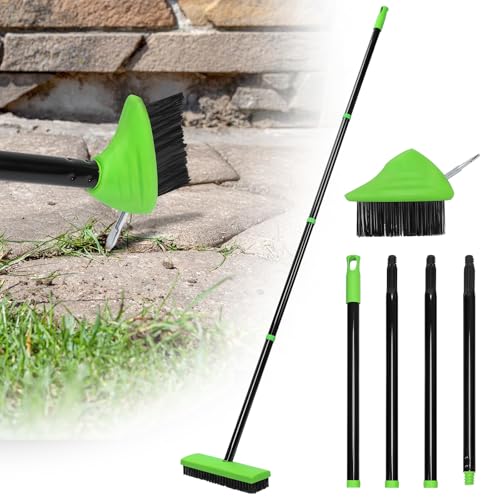
- Outdoor scrub brush with long handle for patio pavers
- Masonry scrub brush set for concrete pavers


Before You Start
Prepare the area by removing planters, furniture, and any loose debris from the pavers. Wet nearby plants before applying vinegar to minimize leaf contact. Use a diluted vinegar solution (typically 1 part white vinegar to 1 part water) for general cleaning, or a stronger mix for tough stains, but never apply full-strength vinegar to delicate grouts or polished surfaces. Wear protective gloves and eye protection and test a small, inconspicuous area first to confirm colorfastness. Estimate a cleaning window of about 1–3 hours depending on area size and staining severity.
Step-By-Step: How To Clean Pavers With Vinegar
- Clear the area of furniture and debris, and rinse the surface with plain water to remove loose dirt.
- Mix a solution of equal parts white vinegar and water in a spray bottle or bucket for general cleaning.
- Apply the solution to the pavers, focusing on stained and mossy spots. Let it sit for 10–15 minutes to loosen grime.
- Use a stiff nylon patio brush 18 inch for paver cleaning or a masonry scrub brush set for concrete pavers to scrub in a consistent, circular motion.
- For larger areas, attach a paver cleaning brush attachment for power washer and use low to medium pressure to lift grime without damaging the joints.
- Rinse thoroughly with clean water. Repeat as needed for stubborn stains; avoid letting vinegar sit for extended periods on delicate joints.
- Dry the surface with a clean towel or allow it to air-dry completely before returning outdoor furniture.
- If algae or moss persists, consider a second pass with a stronger dilution, or introduce a gentle brush rotation to target persistent growth.
- Inspect joints for vegetation and use a handheld or long-handle brush to clear any remaining debris from between pavers.
- Reassess the area, and apply a sealant if appropriate for the paver type and climate, following manufacturer guidelines after cleaning.
- Dispose of rinse water away from gardens and plants to prevent runoff concentration in beds.
- Store brushes and tools in a dry place to prevent mildew growth and ensure readiness for the next cleaning cycle.
Troubleshooting
| Symptom | Likely Cause | Fix | Prevention |
|---|---|---|---|
| Stains remain after cleaning | Deep-set staining or mineral deposits | Spot-treat with a stronger vinegar mix or repeat process; consider a masonry cleaner designed for stone | Pre-wet area and avoid excessive dwell time |
| Discoloration from vinegar | Overexposure on sensitive joints | Test area first; dilute more and limit contact time | Always dilute and rinse |
| Plants show leaf damage | Runoff contacting foliage | Cover nearby plants or rinse promptly | Protect vegetation during cleaning |
| Uneven cleaning results | Uneven application or brushing technique | Reapply vinegar solution to patchy areas and scrub evenly | Standardize movement patterns across the surface |
Common Mistakes
- Using full-strength vinegar on all surfaces, which can cause discoloration in some pavers.
- Ignoring safety gear or failing to mask plants near the cleaning zone.
- Rushing the process; insufficient dwell time can prevent grime from loosening.
- Over-reliance on a single tool instead of pairing brushes with time-tested scrubbing motions.
Tips For Best Results
- Test vinegar on a small, inconspicuous area before broader application.
- Pair vinegar with a long-handled outdoor scrub brush to reduce bending and improve leverage.
- Use a pressure washer surface cleaner for larger areas to maintain an even cleaning depth without gouging joints.
- Schedule cleaning during mild weather to avoid rapid evaporation or excessive drying time.
- After cleaning, consider applying a breathable sealant to protect against future staining.
Call A Professional
If pavers have deep-set staining, structural damage, or significant weed growth in joints, professional help may be warranted. Stop cleaning and contact a pro if
- There is persistent efflorescence or mold that does not respond to standard cleaning.
- Joint spacing appears eroded or pavers are loose or creaking under foot.
- Efforts involve harsh chemicals beyond vinegar, or property drainage is suspect.
FAQ
Is vinegar safe for all pavers?
Vinegar is generally safe for most concrete and mortar pavers when diluted, but test first and avoid prolonged exposure on polished or delicate finishes.
How often should I clean pavers with vinegar?
For routine maintenance, twice a year or after heavy mildew seasons is common, with additional cleanings after severe weather or heavy staining.
Can I use vinegar in a pressure washer?
Yes, but use a low-pressure setting and a wide spray pattern to protect joints and grout.
Will vinegar remove oil stains?
Vinegar can help with some light oil marks, but stubborn or old oil stains may require specialty cleaners or absorbents.
Buying Guide
When choosing cleaning gear for pavers, consider size, noise, energy use, and placement. For larger patios, a 15-inch pressure washer surface cleaner can speed up work and reduce splashback. A stiff nylon brush or a masonry scrub brush set helps target grout lines and stubborn grime without damaging the pavers. Look for ergonomic handles and long reach to minimize bending, and ensure tools are compatible with your power washer if you plan to use attachments. Noise levels, temperature tolerance, and storage space should influence tool choice. For covered patios, select brushes with rust-resistant materials and non-marking bristles to protect colors and textures. Finally, consider expandability: compatible attachments and accessory sets can save time on future maintenance while keeping outdoor spaces inviting and well-kept.