Maintaining clean patio pavers without disturbing the sand-filled joints is a common homeowner goal. Proper technique relies on careful brushing, targeted cleaning tools, and safe washing methods that protect the sand in the joints while lifting surface stains and grime. This guide provides practical steps, product recommendations, and troubleshooting tips to keep your pavers looking fresh and well-sealed.
Quick Answer
Fast method: Use a patio paver cleaning kit with scrub brush or a power scrubber attachment to scrub the surface, then a pressure washer with a surface cleaner to rinse without dislodging sand. For stubborn grime, repeat with nylon-bristle brushes and avoid aggressive jet angles that can expose joints.
What You’ll Need
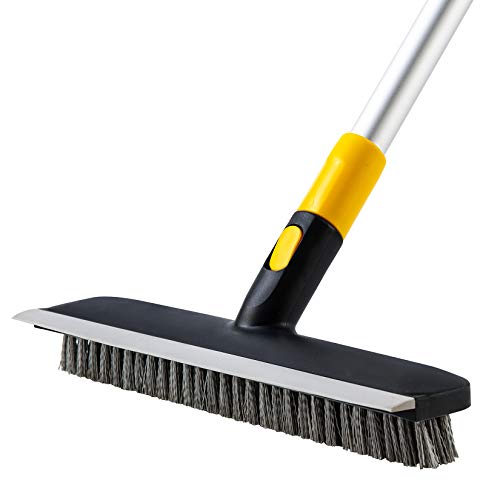
- paver cleaning brush nylon bristles
- sand-filled joint paver cleaner brush
- pressure washer surface cleaner for concrete pavers
- patio paver cleaning kit with scrub brush
- power scrubber attachment for pavers nylon bristle


Before You Start
Assess the patio area for loose sand in joints and plan to maintain a consistent cleaning approach. Protect nearby plants and landscaping from runoff. Check the paver surface for weed growth or organic staining that may require targeted treatment. Time estimates vary by patio size, but a typical cleaning session ranges from 1 to 4 hours. Important: avoid high-pressure cleaning at very close range, which can erode sand and widen joints over time. If your area experiences heavy staining or porous pavers, consider resealing after cleaning to lock in cleanliness.
Step-By-Step: How To Clean Patio Pavers Without Removing Sand
- Clear the area of furniture and debris to create a wide, open cleaning zone.
- Dry brush the surface with a nylon-bristle brush to lift loose dirt and prevent mud formation during washing.
- Prepare a cleaning solution if needed, using a mild detergent suitable for concrete and pavers, or proceed with a dry-clean approach for light soils.
- Scrub the pavers with a patio paver cleaning kit with scrub brush, focusing on stained areas and grout lines.
- Switch to a power scrubber attachment for pavers nylon bristle for stubborn grime, working in straight, overlapping passes.
- Rinse the surface with a pressure washer surface cleaner for concrete pavers held at a safe distance to avoid sand disturbance.
- Move methodically in sections, rinsing from the higher edge toward the lower to prevent dirty runoff from re-soiling cleaned areas.
- Re-check joints after washing; if sand appears displaced, gently sweep more sand into the joints and compact it with a light brush.
- Allow the area to dry completely; assess whether a second pass is needed for persistent discoloration.
- Consider a light reseal after drying if you want longer-lasting cleanliness and joint protection.
Troubleshooting
| Symptom | Likely Cause | Fix | Prevention |
|---|---|---|---|
| Sand washing out of joints | Overly aggressive washing or high-pressure at close range | Use a surface cleaner and keep nozzle farther away | Maintain moderate pressure and test on a small area first |
| Stains not removing | Deep-set stains or organic growth | Apply a mild cleaner and scrub with nylon-bristle tools, repeat as needed | Clean promptly after spills and prevent organic buildup |
| Discoloration after washing | Uneven drying or mineral deposits | Rinse thoroughly and allow full drying; consider a light reseal | Avoid leaving wet patches and rinse with cool water |
| Grainy texture after cleanup | Rinsing residue or too-dry surface | Re-rinse with longer, even strokes | Keep surface damp during final rinse for better debris removal |
Common Mistakes
- Using overly aggressive pressure that dislodges joint sand
- neglecting to rinse after detergent use, leaving residues on the surface
- Scrubbing in irregular patterns that miss sections, causing patchy results
- Waiting too long between cleanings, allowing stubborn stains to set
Sticking to controlled cleaning passes and appropriate tools helps preserve joint sand while achieving a cleaner, brighter patio.
Tips For Best Results
- Work in shaded areas or during cooler parts of the day to prevent rapid drying that can leave water spots.
- Use nylon-bristle brushes to minimize surface abrasion on pavers.
- Test cleaning methods on a small section of pavers before full application.
- Keep joint sand topped up after cleaning; consider resealing every few years depending on exposure.
- Maintain a consistent cleaning schedule to prevent heavy buildup of organic matter.
Call A Professional
Consider professional help if the joint sand has settled significantly, if there are large weed gaps, or if pavers show extensive staining that requires specialized solutions. Stop and call a pro if you notice cracking, loosened pavers, or efflorescence that indicates structural issues with the base beneath the sand.
FAQ
Can I use a pressure washer on all patio pavers without removing sand?
Yes, with a surface cleaner and careful distance control to protect joint sand. Avoid direct, close blasts on joints.
What solvent is safest for cleaning bricks and pavers?
Use mild, pH-balanced cleaners designed for concrete pavers; avoid harsh solvents that could degrade joint materials.
How can I prevent sand from washing away during cleaning?
Use a surface cleaner, keep the nozzle at a safe distance, and perform rinses in steady, overlapping passes.
How often should I reseal after cleaning?
Resealing frequency depends on climate and wear. Many homeowners reseal every 2–3 years after thorough cleaning and drying.
Buying Guide
Key buying factors help determine the right tools for cleaning patio pavers without removing sand. Consider the following:
Size and Coverage
Choose cleaning tools and brushes with adequate coverage for your patio area. Larger surface cleaners shorten cleaning time, while narrower brushes work well for tight joints.
Power and Pressure
A pressure washer with adjustable PSI and a dedicated surface cleaner is ideal for concrete pavers. Start with lower pressure to protect sand and adjust as needed for stains.
Noise Level
Power tools and pressure washers vary in noise. If noise is a concern, look for models with quieter operation modes and consider working during reasonable hours.
Energy Efficiency
Electric-powered equipment typically offers good energy efficiency and easier maintenance compared to gas-powered units. Check energy use specs and duty cycles.
Controls And Ergonomics
Ergonomic handles, easy-start features, and balanced weight reduce fatigue during longer cleaning sessions. Attachments that are quick to swap save time.
Placement And Storage
Consider storage space for brushes, brushes with nylon bristles, and replacement nozzles. Compact assemblies with organized racks help maintain readiness.
Compatibility With Surfaces
Ensure brushes and detergents are suitable for concrete pavers with sand-filled joints. Some brushes are specifically designed for pavers and joints to minimize joint disruption.
With the right tools and a careful approach, patio pavers can look bright and clean without disturbing the sand-filled joints. The combination of nylon-bristle brushes, joint-focused cleaning tools, and a calibrated pressure washing approach delivers effective results while preserving the integrity of the paving system.