Grease buildup on painted kitchen cabinets is common in cooking areas. With the right tools and steps, you can restore a fresh, showroom look without damaging the finish. This guide focuses on safe, practical methods that work in typical American kitchens.
Consistent, gentle cleaning helps extend the life of painted surfaces. Start with the mildest solution and escalate only if needed. Proper drying helps prevent streaks and moisture damage, especially on lighter paints.
Quick Answer
Quick method: Wipe with a degreasing spray, followed by a microfiber cloth. For stubborn spots, use a non-scratch scrub brush or melamine sponge, then rinse with a damp cloth and dry. A handheld steam cleaner can help loosen tough grime, but avoid prolonged heat on painted surfaces.
What You’ll Need
- kitchen cabinet degreaser spray for painted cabinets
- microfiber cleaning cloths for kitchen cabinets
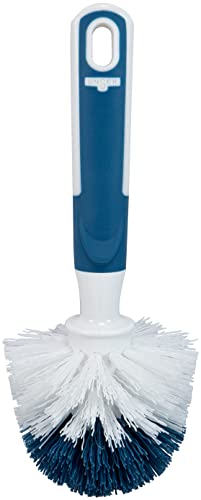
- non-scratch scrub brush for painted cabinets
- melamine sponge magic eraser for kitchen cabinets
- handheld steam cleaner for grease on cabinets


Before You Start
Clear the area and remove items from cabinet doors and shelves. Test cleaners in a hidden spot to ensure no discoloration. Work in a well-ventilated space and protect nearby surfaces with old towels or a drop cloth. Time estimate: 20–45 minutes per cabinet row, depending on grime level. Important: Do not use abrasive pads that can scratch the paint, and avoid soaking wood seams.
Step-By-Step: How To Clean Painted Kitchen Cabinets Grease
- Remove cabinet doors and hardware if possible to clean all surfaces thoroughly.
- Dust the surfaces with a dry microfiber cloth to prevent mud from forming when dampened.
- Apply a kitchen cabinet degreaser spray for painted cabinets to a clean cloth or directly onto the surface as directed by the product label.
- Wipe in the direction of the grain, paying attention to edges, corners, and door panels.
- For stubborn grease, use a non-scratch scrub brush for painted cabinets or a melamine sponge magic eraser for kitchen cabinets, working gently to lift grime without removing paint.
- Wipe away loosened residue with a damp microfiber cloth, then dry with a clean, dry cloth to prevent water marks.
- For hard-to-reachAreas or tight corners, use a handheld steam cleaner for grease on cabinets on a low setting, keeping the nozzle a few inches away from the surface.
- Reattach doors and hardware once everything is completely dry and inspect for any remaining spots.
Troubleshooting
| Symptom | Likely Cause | Fix | Prevention |
|---|---|---|---|
| Streaks after cleaning | Residual soap or water | Wipe with a damp cloth, then dry thoroughly | Dry surfaces immediately after cleaning |
| Paint dullness or gloss loss | Aggressive scrubbing or harsh chemicals | Switch to milder degreaser and gentler tools | Use non-abrasive tools and follow product directions |
| Grease reappears quickly | Ongoing cooking residue or improper drying | Re-clean and consider sealing with a compatible cabinet finish | Wipe down weekly with a light degreaser |
| Scratching on paint | Rough scrub pad | Switch to soft cloths and non-scratch brushes | Use gentle motions and test first |
Common Mistakes
- Using strong solvents that damage painted finishes
- Aggressive scrubbing that leaves micro-scratches
- Over-wetting wood or allowing moisture to seep behind doors
- Skipping a drying step, causing haze or water marks
Sticking to soft materials and mild solutions reduces the risk of damage while keeping grease at bay.
Tips For Best Results
- Work from top to bottom to prevent drips onto already clean areas.
- Use a dedicated microfiber cloth for kitchen cabinets to avoid transferring oils from other surfaces.
- Rinse cloths frequently to avoid reapplying grease.
- For frequent cleanings, a light, regular wipe-down with a degreaser keeps buildup manageable.
- Label and space out cabinet doors after cleaning to avoid misplacing hardware.
Call A Professional
Consider professional help if grease has penetrated deeply, if the paint shows chipping or peeling, or if cleaning requires heavy chemical use beyond safe consumer products. Stop and consult a pro when you notice bubbling, soft spots, or structural damage to the cabinet substrates.
FAQ
What’s the best degreaser for painted cabinets?
A mild, paint-safe degreaser designed for kitchen cabinets is recommended, following label directions for painted surfaces.
Can I use bleach on painted kitchen cabinets?
Bleach is usually not recommended for painted finishes as it can discolor or degrade paint over time; opt for approved degreasers instead.
How often should I clean grease from cabinets?
Light weekly wipes keep grease under control; a deeper clean every 1–2 months depending on cooking activity is typical.
Is steam cleaning safe for painted cabinets?
Yes, a handheld steam cleaner can help loosen grime, but use low heat and keep the nozzle away from paint to avoid moisture damage.
Buying Guide
When choosing products for cleaning painted kitchen cabinets, consider size, noise level, energy efficiency, controls, and placement. Think about how often you cook, the level of grease typical in your kitchen, and whether you prefer spray degreasers or foaming formulas. Compare products based on gentleness to paint, ease of use, and how well they work with microfiber cloths or melamine sponges. For households with children or pets, select low-odor formulas and ensure safe storage. If space is limited, compact steamer options can fit under sinks or in utility closets.