Painted furniture adds charm to living spaces, but keeping it looking fresh requires the right approach. This guide explains safe, effective methods for cleaning painted wood and avoiding damage to the finish. Readers will learn practical steps, common pitfalls, and when to seek professional help.
Quick Answer
Use a mild, pH-neutral cleaner with a soft cloth to wipe surfaces, then dry with a clean microfiber cloth. For tougher spots, apply a non-abrasive sponge and gentle brushing. Always test a small, inconspicuous area first and avoid aggressive scrubbing that can dull or remove paint.
What You’ll Need
- pH neutral wood cleaner for painted furniture
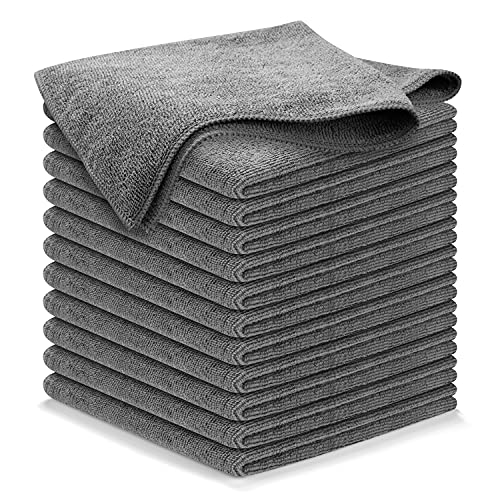
- microfiber cleaning cloths for painted furniture
- soft bristle furniture cleaning brush
- non-abrasive sponge for painted wood furniture
- tack cloth dusting wipes for painted surfaces


Before You Start
Clear the area around the furniture piece and remove items from its surface. Work in a well‑lit space to spot smudges easily. Do a spot test on a hidden corner to ensure the cleaner does not alter the finish. Time estimate: 15–30 minutes for routine cleaning; longer for heavily soiled pieces. Warning: Avoid ammonia‑ or bleach‑based cleaners on most painted finishes, as they can degrade the paint over time. Use only water and a non‑alkaline cleaner when unsure.
Step-By-Step: How To Clean Painted Furniture Safely
- Dust the entire surface with a microfiber cleaning cloth to remove loose dirt.
- Prepare a solution of pH neutral wood cleaner for painted furniture mixed as directed on the label.
- Dip a microfiber cloth into the solution, wring gently, and wipe a small area in gentle, circular motions.
- For stubborn spots, use a non-abrasive sponge for painted wood furniture with light pressure; avoid pressing hard on the paint.
- Use a soft bristle furniture cleaning brush to reach crevices, edges, and decorative detailing without scratching.
- Rinse the cloth or sponge frequently to prevent reapplying grime; wipe away any cleaner residue with a clean damp cloth.
- Dry surfaces thoroughly with a second microfiber cloth to prevent water marks, especially on lighter paints.
- Dust again with tack cloth dusting wipes for painted surfaces to lift remaining particles after drying.
- Inspect for missed spots; repeat the cleaning process on any areas that look dull or dirty.
- If repainting is planned, avoid soaking the surface and allow complete drying before applying new finish.
- Finish with a light buff using a dry microfiber to restore the painted surface’s luster.
- Store cleaning supplies out of reach of children and pets when not in use.
Troubleshooting
| Symptom | Likely Cause | Fix | Prevention |
|---|---|---|---|
| Dull or streaky finish after cleaning | Residue or improper drying | Wipe with clean damp cloth, then dry fully with microfiber | Wipe in straight lines, not circular; dry promptly |
| Watermarks or blooming on paint | Excess moisture | Dry thoroughly; avoid leaving water on surface | Use minimal water; wipe up spills quickly |
| Scratches or paint wear around edges | Rough brushing or abrasive cleaners | Switch to softer pads and pH-neutral cleaner | Test area first; clean with gentle motions |
| Stains reappear after cleaning | Internal finish damaged or porous paint | Consider professional repaint or refinishing | Use cleaner sparingly; avoid aggressive scrubbing |
Common Mistakes
- Using abrasive brushes or scouring pads on painted surfaces
- Using harsh solvents or ammonia-based cleaners
- Over-wetting the surface or leaving moisture on wood
- Skipping a test patch on an inconspicuous area
These missteps can lead to color fading, dulling, or peeling of the paint. Following gentle methods and the right tools helps preserve color and finish over time.
Tips For Best Results
- Dust regularly with a microfiber cloth to reduce the need for deep cleaning.
- Clean in the direction of the grain when possible to minimize streaking.
- Choose a pH neutral wood cleaner for painted furniture compatible with your paint type.
- Rotate cleaning tools to avoid cross-contamination between dirty and clean cloths.
- Maintain a dedicated set of tools for painted furniture to prevent scratches from harsher cleaning supplies.
Call A Professional
Seek professional help if the paint is peeling, bubbling, or if stains persist despite careful cleaning. Heavy damage, extensive discoloration, or signs of moisture intrusion warrant specialized refinishing or repainting. If you notice persistent inconsistent texture or sheen after cleaning, avoid DIY refinishing that could worsen the surface.
FAQ
What is the best cleaner for painted furniture?
A pH neutral wood cleaner for painted furniture is typically best, as it cleans effectively without stripping the paint.
Can I use water alone to clean painted furniture?
Water dampens surfaces but should be used sparingly; combine with a mild cleaner for tough grime.
How do I remove stubborn spots without harming the finish?
Use a non-abrasive sponge with a small amount of cleaner and gentle pressure on the spot, testing first.
Is it safe to use a hairdryer to speed drying?
Low heat can help dry surfaces faster, but avoid direct hot air on painted surfaces to prevent cracking or discoloration.
How often should painted furniture be cleaned?
Light dusting weekly with microfiber is recommended; deeper cleaning every few months or after visible grime.
Buying Guide
When selecting products for painted furniture, focus on factors that preserve color and finish. Consider the following:
- <bSize and coverage: Choose cleaners and cloths that cover surfaces evenly without leaving residue. A small spray bottle with a microfiber cloth can be convenient for quick cleans.
- <bNoise level: Cleaning tools like brushes and sponges are silent; minimal noise is typical and not a concern for household use.
- <bEnergy efficiency: Not applicable to manual cleaning, but consider reusable microfiber cloths to reduce waste.
- <bControls: Simple, non-detergent cleaners with clear instructions are preferable for beginners.
- <bPlacement: Store cleaners away from heat sources and pets; keep small tools within easy reach near the cleaning area.
In practice, select a light cleaning routine using a pH neutral wood cleaner for painted furniture, paired with soft, non‑abrasive tools to maintain finish integrity. Compare kits that include microfiber cloths, a soft brush, and a non-abrasive sponge to ensure you have all essentials in one set. How you tailor your toolkit to the type of paint and furniture piece can yield the best long-term results.