Paint protection film (PPF) helps shield automotive finishes from scratches, chips, and UV damage. Proper cleaning routines preserve clarity and longevity without compromising the film’s protective layer. This guide covers practical steps, safe products, and commonly asked questions for American car owners.
Quick Answer
Use a pH-balanced car wash soap designed for Paint Protection Film with a soft microfiber wash mitt, rinse thoroughly, and dry with ultra soft microfiber towels. For stubborn grime, a dedicated PPF safe detailing spray bottle and gentle detailing clay can lift contaminants without scratching. Always avoid abrasive cleaners and high-alkaline products.
What You’ll Need
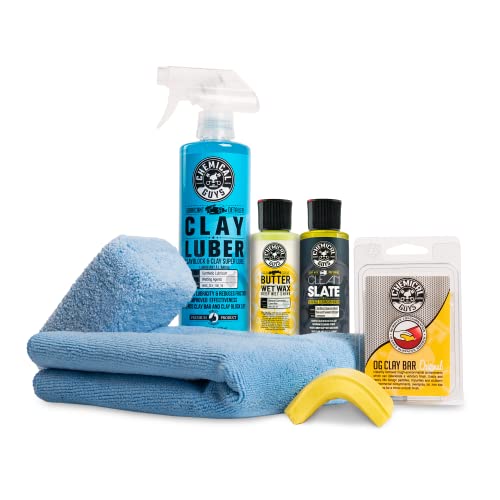
- PPF safe detailing spray bottle
- Microfiber wash mitt ppf safe
- pH balanced car wash soap for Paint Protection Film
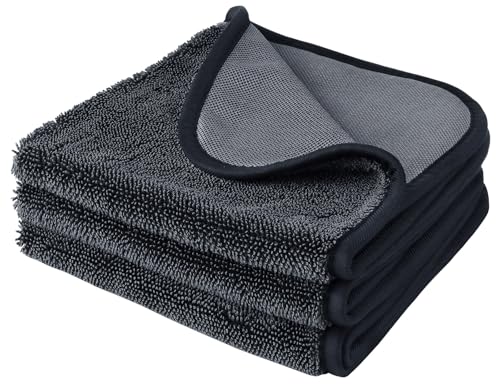
- Ultra soft microfiber towels for Paint Protection Film cleaning
- Paint protection film detailing clay bar kit

Before You Start
Prepare a shaded workspace to prevent rapid drying and water spots. Rinse the vehicle to remove loose dirt first, then wash in sections to keep the film evenly hydrated. Do not use household detergents or harsh abrasive cleaners, which can degrade the film’s surface and dull the finish. Inspect edges for lifting before washing and avoid pressure washing directly on seals or seams.
Step-By-Step: How To Clean Paint Protection Film
- Rinse the vehicle completely with cool water to remove loose dirt without embedding grit into the film.
- Fill a bucket with pH balanced car wash soap for Paint Protection Film and add according to product directions.
- Dip the microfiber wash mitt ppf safe into the soapy water and begin washing from the top down, using light pressure and straight strokes.
- Rinse the mitt often in a separate clean water stream to prevent dragging dirt back onto the film.
- For stubborn contaminants, spray a small amount of PPF safe detailing spray bottle onto the area and wipe with a clean microfiber towel, repeating as needed.
- If contamination persists, use the paint protection film detailing clay bar kit on a damp, lubricated panel to lift bonded grime without scratching.
- Rinse the panel again to remove clay residue and re-check for any remaining spots.
- Towel dry with ultra soft microfiber towels for Paint Protection Film cleaning, blotting rather than rubbing to avoid friction.
- Optional: Apply a light coat of the detailing spray for a fresh protective slick and enhanced water beading.
- Inspect the film under good lighting for streaks, water spots, or any lifted edge and address promptly.
- Store cleaning tools in a clean, dry area away from direct sunlight to preserve their softness.
Troubleshooting
| Symptom | Likely Cause | Fix | Prevention |
|---|---|---|---|
| Streaks or holograms after wash | Improper drying or dirty towels | Use ultra soft microfiber towels and blot dry | Wash towels regularly; replace when worn |
| White film after drying | Detergent residue or hard water | Rinse thoroughly; use filtered or distilled water if necessary | Avoid soap buildup by rinsing twice |
| Scratches or lift near edges | Rough brushes or aggressive scrubbing | Switch to PPF safe tools; avoid abrasive cloths | Gentle cleaning technique and timely repairs |
| Clay leaves residue | Improper lubrication or low-quality clay | Use sufficient lubricant and a high-quality kit | Follow kit instructions closely |
Common Mistakes
- Using household cleaners or waxes not formulated for PPF, which can affect transparency and adhesion.
- Applying heavy pressure with brushes or non-PPF-friendly tools that can micro-scratch the film.
- Neglecting to rinse soap fully, leaving a film that dulls the surface when dry.
- Wiping dry in circular motions that create swirl marks; always blot or use straight strokes.
- Ignoring edges and seams where grime hides; these areas require targeted cleaning.
Tips For Best Results
- Maintain a consistent routine: gentle wash, rinse, dry, and optional detailing spray to sustain gloss.
- Use a dedicated PPF safe detailing spray between thorough washes to lift light pollutants.
- Keep a separate set of microfiber towels for PPF cleaning only to avoid cross-contamination.
- Test any new product on a small, inconspicuous area of the film before full application.
- Store detailing clay in a sealed bag and replace if it starts to crumble or feel gritty.
Call A Professional
Consider professional help if there are bubbling, edge lifting, or adhesive issues that go beyond routine cleaning. Stop and seek expert assessment if vibrations or unusual film texture appears after cleaning, or if you notice lasting haziness after detailing.
FAQ
Is it safe to wash PPF with regular car soap?
Use a pH balanced car wash soap specifically formulated for Paint Protection Film to prevent residue and edge wear.
Can I use wax on PPF?
Avoid traditional waxes that can leave residues or degrade film clarity; opt for PPF-safe protectants.
How often should I detail PPF?
Regular light cleanings every 1–2 weeks with a full wash every 2–4 weeks help maintain visibility and protection.
What should I do about water spots?
Rinse promptly and dry with ultra soft microfiber towels; use detailing spray to aid spot-free drying in sunlight.
Can detailing clay damage PPF?
Only use a clay bar kit designed for PPF with ample lubrication and gentle pressure to avoid film scratching.
Is a spot-cleaning spray enough between washes?
Yes, a PPF-safe detailing spray can help lift light contaminants between full washes.
Does PPF require special detergents?
Yes, detergents should be pH balanced and formulated for Paint Protection Film to safeguard the film’s integrity.
Buying Guide
When selecting cleaning products for Paint Protection Film, consider size compatibility, ease of use, and compatibility with your vehicle’s film type. Look for items labeled PPF-safe and pH balanced to avoid surface damage. Noise-free, quick-dry formulas reduce streaks and friction. Controls such as spray bottles with clear dosing help manage product usage. Placement matters too—store products in a cool, shaded cabinet to preserve their chemical balance. Compare sets that include a detailing clay kit versus separate items to match your cleaning cadence and film coverage. For most owners, a core kit with a dedicated PPF safe detailing spray, a microfiber mitt, ultra-soft towels, and a clay bar kit provides a balanced, repeatable routine that protects the investment in your vehicle’s finish.