The P-trap under a washing machine can collect hair, soap scum, and fabric fibers, leading to slow drains or odors. This guide walks American homeowners through a clear, step-by-step process to safely clean and maintain the P-trap, using common plumbing tools and care practices.
Regular maintenance helps prevent clogs and extends the life of the drainage system. Follow the steps below to inspect, clean, and reinstall the P-trap without damaging any components.
Quick Answer
Clear any standing water, disconnect the washing machine hose, remove the P-trap, clean the trap and outlet fittings, reassemble tightly, and test for leaks. Use a drain snake if a stubborn clog remains, and run several empty wash cycles to flush debris.
What You’ll Need
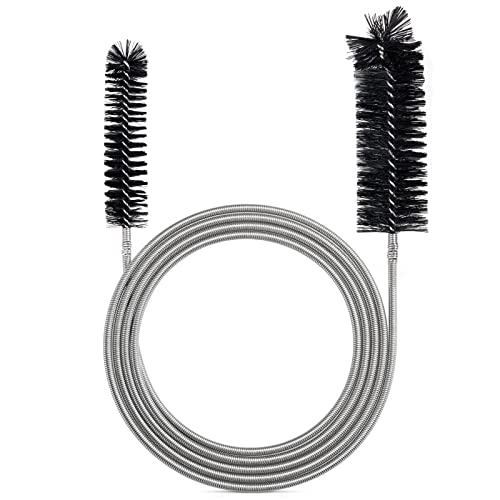
- P-trap cleaning kit for washing machine drain
- drain snake auger 3/8 inch for washing machine drain
- P-trap removal tool plumbing wrench
- basin wrench for P-trap washing machine drain
- pipe cleaning kit clogged drain laundry washer


Before You Start
Turn off the washing machine and unplug it. Move the appliance to access the drainage area and place towels or a shallow pan to catch spills. Have a flashlight handy to inspect the pipe, elbow joints, and trap connection. Carefully loosen fittings to avoid damaging seals or cracking PVC/metal parts. Expect a 15–30 minute upfront task, plus extra time if a clog requires a snake.
Step-By-Step: How To Clean the P-Trap of a Washing Machine
- Disconnect the washing machine from the wall outlet and pull the machine away from the wall to access the drainage hose.
- Place a bucket or basin beneath the trap area to catch water and debris, then loosen the P-trap retaining nuts with the P-trap removal tool or basin wrench as needed.
- Carefully remove the P-trap and inspect for hair, lint, and soap scum buildup inside the U-bend and the outlet side.
- Clean the P-trap thoroughly under running water using the cleaning kit components or a small brush, ensuring all passageways are free of obstruction.
- Inspect the trap fittings and the drain line for any cracks or wear; replace damaged components if necessary.
- Reinstall the P-trap and tightens all connections snugly, but avoid overtightening which can strip threads or crush seals.
- Reconnect the drainage hose to the trap outlet, move the washer back toward the wall, and plug the machine back in.
- Run an empty wash cycle to flush the line. If water backs up, use the drain snake auger 3/8 inch to gently clear any remaining clog in the drain line beyond the trap.
- Check for leaks around the trap and joints after the test cycle; tighten fittings if needed.
- Leave the area dry and recheck the trap after a few days of normal use to ensure ongoing drainage.
- Document any recurring issues, such as frequent lint buildup or slow draining, which may indicate broader pipe problems.
- For persistent clogs, consider repeating the snake procedure or seeking professional assistance to evaluate sewer line issues.
Troubleshooting
| Symptom | Likely Cause | Fix | Prevention |
|---|---|---|---|
| Water backs up after a wash | Partial clog in drain line | Use drain snake auger 3/8 inch to clear | Limit lint and fabric debris in loads |
| Strong odor near drain | Soap scum and biofilm buildup | Clean P-trap thoroughly; run empty wash cycles with hot water | Regular maintenance every few months |
| Leaks at trap joints | Loose or worn gaskets | Re-tighten fittings or replace seals | Use correct torque and sealant as needed |
| Trap difficult to remove | Corroded or seized fittings | Use P-trap removal tool carefully; don’t force | Prevent mineral buildup with periodic cleaning |
Common Mistakes
- Forgetting to unplug the washer before starting work
- Overtightening nuts, which can crack plastic traps
- Using excessive force when removing a seized P-trap
- Ignoring a recurring odor, which may signal a larger drain issue
Tips For Best Results
- Keep a small brush and moisture-absorbent cloth handy to wipe away residue during cleaning
- Schedule routine checks to reduce the likelihood of stubborn clogs
- If your home uses metal piping, inspect for rust or corrosion that could impact sealing surfaces
- Document the steps you take; this helps when you call a professional for ongoing problems
Call A Professional
Consider a professional if there is:
- Repeated clogs that resist snake clearing
- Persistent leaks after reassembly
- Unusual noises, sewer odors, or signs of a more extensive drainage issue
When in doubt, a licensed plumber can assess sewer line conditions, verify venting, and ensure correct trap installation to prevent future problems.
FAQ
What is a P-trap in a washing machine?
A P-trap is a U-shaped pipe section that prevents sewer gases from entering the home while allowing wastewater to flow out of the washing machine.
Can I reuse the old P-trap after cleaning?
Yes, if the trap and seals remain intact and free from cracks or corrosion.
Is a drain snake necessary for every cleaning?
Not always, but it’s helpful for stubborn clogs beyond the trap or in the drain line.
How often should I clean the P-trap?
Every 3–6 months for households with multiple occupants or frequent lint-aired loads.
What if I can’t remove the trap?
Stop and consult a plumber to avoid damaging fittings or causing leaks.
Will cleaning the P-trap fix a slow drain in a different part of the system?
It can address issues near the trap but other sections may need inspection if problems persist.
Should I use chemical drain cleaners?
Usually not recommended for washing machine drains; mechanical cleaning with a snake is safer for fittings and pipes.
Buying Guide
Choosing the right accessories for P-trap maintenance involves considering several factors. Size matters for compatible fittings, while noise level and energy use are less relevant in this context but still worth noting when evaluating adjacent equipment. Look for durable seals and corrosion-resistant materials to ensure long-term performance. Controls are straightforward for manual tools, and placement considerations include accessibility behind the laundry area and whether to install a visible shutoff valve. Compare kits that bundle a P-trap removal tool, a basin wrench, and a drain snake, as these often provide complete coverage for routine maintenance. For households with frequent clogs or hard water, prioritize tools with robust threading and corrosion resistance. Always verify compatibility with your washer’s drain configuration and the type of pipe used in your home.