Oxidation on stainless steel can appear as dull, cloudy, or rainbow-tinted patches that mar the surface. Proper cleaning restores luster while maintaining the metal’s protective layer. This guide walks through practical, safe methods using common products available in American households and hardware stores.
Quick Answer
Begin with a gentle stainless steel cleaner or polish spray to remove surface oxidation, then use a non-abrasive cleaning pad for stubborn spots. If discoloration persists, apply a stainless steel oxide remover cream or rust remover paste kit, followed by a protective passivation spray to slow future oxidation.
What You’ll Need
- Stainless steel oxide remover cream 4 oz
- Stainless steel rust remover paste kit
- Stainless steel cleaner polish spray for oxidation removal
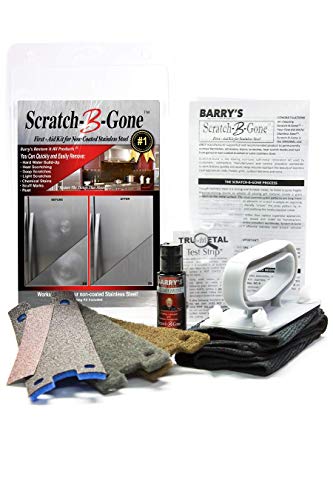
- Non-abrasive stainless steel cleaning pad kit for oxidation
- Stainless steel passivation spray for rust and oxidation


Before You Start
Prepare a clean, well-lit workspace and wear gloves to protect hands from cleaners. Test any product on a small, inconspicuous area first to prevent unintended finish changes. Work in the direction of the grain for best results and avoid prolonged moisture on joints or seams. Estimate a 15–45 minute session, depending on the extent of oxidation.
Critical cautions include avoiding abrasive tools on mirror-polished surfaces and never mixing chemical cleaners unless directions permit.
Step-By-Step: How To Clean Oxidized Stainless Steel
- Wipe the surface with a damp microfiber cloth to remove loose dirt and dust.
- Apply a light layer of stainless steel cleaner polish spray for oxidation removal and buff with a non-abrasive pad in the direction of the grain.
- Inspect the area for remaining dull or rainbow patches and target those spots with stainless steel oxide remover cream. Follow the product’s instructions for dwell time.
- Gently rub with the non-abrasive cleaning pad until the discoloration lifts. Wipe clean with a soft cloth.
- For persistent oxidation, apply a thin line of stainless steel rust remover paste kit to the affected area and work in small circular motions. Let it sit as directed, then wipe away.
- Rinse with a clean, damp cloth to remove all residues and dry thoroughly with a microfiber towel to prevent water spots.
- Apply stainless steel passivation spray for rust and oxidation as a protective layer. Allow it to dry completely before use or exposure to moisture.
- Polish once more with a clean pad or cloth to restore a uniform sheen. Regular upkeep reduces future oxidation.
Troubleshooting
| Symptom | Likely Cause | Fix | Prevention |
|---|---|---|---|
| Splotchy or blotchy finish after cleaning | Residual cleaner or moisture | Rinse thoroughly and dry; reapply a light coat of polish spray | Wipe dry after cleaning; avoid excess moisture |
| Patches reappearing after storage | Lack of protective coating | Apply passivation spray and buff | Regularly reapply protective coatings |
| Surface feels rough despite cleaning | Abrasive pad used or deep staining | Switch to non-abrasive pads; repeat with gentler products | Stick to non-abrasive tools |
| Metal discoloration near joints | Moisture intrusion or cleaners pooling | Dry joints thoroughly and avoid pooling cleaner | Rinse and dry thoroughly after cleaning |
Common Mistakes
- Using abrasive pads on shiny stainless steel can scratch and dull the finish.
- Overloading with cleaner and letting it dwell too long can leave residues or cause streaks.
- Skipping a final rinse and dry step may invite new oxidation or water spots.
- Neglecting to reapply a protective passivation layer after cleaning.
Tips For Best Results
- Always check product labels for compatible stainless steel grades and surfaces.
- Work in a shaded area or indoors to prevent rapid evaporation and streaking.
- Maintain a consistent cleaning routine, especially in coastal or humid environments where oxidation occurs faster.
- Test new products on hidden areas first to confirm compatibility with finishes.
- Use a dedicated, soft microfiber towel for drying to avoid lint and residues.
Call A Professional
Consider a professional if oxidation has penetrated deeply, if streaks persist after multiple cleanings, or if the item is valuable or delicate (e.g., high-end appliances, decorative fixtures). Signs to seek help include persistent discoloration after multiple protective coatings or corrosion around welded joints.
FAQ
Can I use household bleach to remove stainless steel oxidation?
Bleach can damage stainless steel coatings and is not recommended for oxidation removal. Use dedicated stainless steel cleaners and protectants instead.
Is passivation spray essential after cleaning?
Passivation helps restore and protect the chromium-rich surface, reducing future oxidation and staining. It’s especially useful after heavy cleaning or exposure to moisture.
Will cleaning stainless steel rust remover paste kit harm my appliance?
When used as directed and tested on a small area first, these products can safely remove oxidation. Avoid prolonged dwell times and harsh scrubbing near seams or seals.
How often should I reapply protective coatings?
Reapply after deep cleaning or every few months in high-humidity environments to maintain a protective barrier.
Buying Guide
Choosing the right products for cleaning oxidized stainless steel involves evaluating several factors. Size matters for portable items like cookware or fixtures, while larger surfaces may require spray formats for even application. Noise level and energy efficiency aren’t typically concerns for cleaners, but user-friendly spray bottles, smooth applicators, and quick-drying formulas improve convenience. Consider controlled application options to prevent overspray and waste. Look for multi-step kits that combine cleaner, rust remover, and passivation to simplify maintenance. Placement matters: kitchen, bathroom, or outdoor stainless steel surfaces may face different exposure to moisture, salt air, or heat, influencing maintenance frequency and product choice. A balanced approach uses a gentle cleaner for routine upkeep and targeted treatments for tougher oxidation, followed by a protective passivation layer to slow future staining. Would you like to compare specific product packages designed for home kitchens versus outdoor metal railings?