Outdoor carpets add comfort to decks, patios, and walkways, but they can collect dirt, mold, and mildew over time. Cleaning them on concrete requires a careful approach that lifts embedded grime without damaging the carpet fibers or the surface beneath. This guide outlines a practical, step-by-step method using common tools to achieve a fresh, well-maintained outdoor space.
Quick Answer
Spot-treat stains, then use a pressure washer with a concrete surface cleaner attachment for even cleaning. Follow with a wet/dry vacuum to remove residual water, and finish with a drill brush attachment or stiff nylon deck brush to agitate fibers as needed.
What You’ll Need
The following tools and supplies help and align with the included product keywords. Gather these before you start to streamline the process.
- Electric pressure washer 1800 psi outdoor carpet cleaning
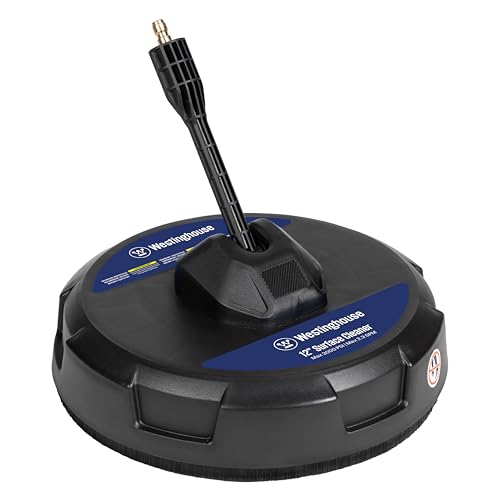
- Concrete surface cleaner attachment for pressure washer
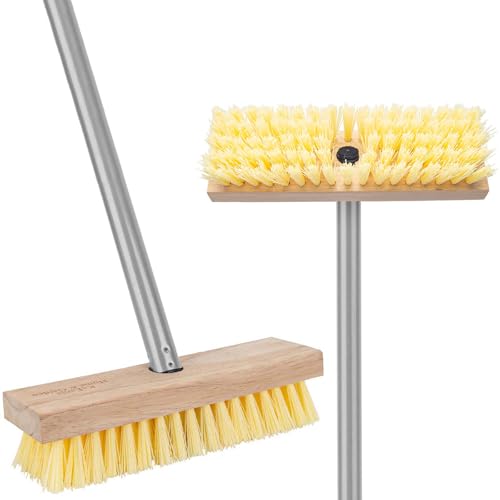
- Stiff nylon deck brush for outdoor carpet cleaning on concrete
- Drill brush attachment heavy duty for exterior carpet cleaning
- Wet/dry vacuum for outdoor carpet cleaning on concrete
- Personal protective equipment (gloves, eye protection, footwear with grip)

Before You Start
Prepare the area: remove furniture and debris, and ensure the surface is completely dry if possible. Inspect the carpet for loose seams or frayed edges; plan to seal or repair later to prevent further wear. Safety is essential: wear eye protection and non-slip footwear, and never point a pressure washer at electrical outlets or wiring. Time estimate: 1–2 hours for a typical porch or patio, more for larger areas.
Critical cautions: never use extremely high pressure on delicate carpet fibers, and avoid letting water pool under removable carpet padding. If the carpet is glued down or has a thin underlayment, test a small, inconspicuous area first to prevent damage.
Step-By-Step: How To Clean Outdoor Carpet On Concrete
- Remove all furniture and debris from the area, then sweep or vacuum to remove loose dirt.
- Seal off nearby plants and protect any adjacent surfaces you don’t want exposed to cleaning solution.
- Mix a mild cleaning solution approved for outdoor fabrics or use a detergent recommended for carpets. Apply to stained areas with a spray bottle or brush, letting it sit for several minutes.
- Attach the concrete surface cleaner attachment for pressure washer to the electric pressure washer 1800 psi outdoor carpet cleaning and set the nozzle to a consistent, manageable spray.
- Rinse the carpet thoroughly with the pressure washer, using slow, overlapping passes. Move with the grain of the fibers and avoid staying in one spot too long to prevent fiber damage.
- For stubborn stains or embedded dirt, use the drill brush attachment heavy duty for exterior carpet cleaning or the stiff nylon deck brush for outdoor carpet cleaning on concrete to agitate fibers gently while the pressure washer loosens grime.
- Return to a damp-but-not-soaked state, then use the wet/dry vacuum for outdoor carpet cleaning on concrete to remove as much moisture as possible. This reduces drying time and helps prevent mold.
- Allow the carpet to air-dry completely. If weather permits, use fans or place the carpet in direct sun to accelerate drying, ensuring the surface is completely dry before replacing any padding or furniture.
- Revisit any stubborn spots after drying; a second light pass with the pressure washer and brush may be necessary.
- Inspect the area for remaining stains or tracking marks. If needed, repeat the cleaning steps for those areas until results meet expectations.
- Once fully dry, re-secure any loose edges or seams and return furniture to the space.
- Document maintenance intervals to keep the carpet looking fresh and extend its lifespan.
Troubleshooting
| Symptom | Likely Cause | Fix | Prevention |
|---|---|---|---|
| Stubborn stains persist after cleaning | Deep-set dirt or mold | Treat with targeted cleaner and re-agitate with brush, then re-wash | Clean regularly to prevent buildup |
| Discolored patches after drying | Uneven application of cleaning solution or drying | Evenly reapply cleaner and ensure complete drying | Rinse thoroughly and improve airflow for faster drying |
| Fiber fraying after brushing | Over-aggressive brushing | Switch to lighter strokes and shorter sessions | Use appropriate brush type and moderate pressure |
| Dark moldy smell returns | Residual moisture and organic matter | Dry area completely and treat with anti-mold solution if needed | Ensure thorough drying and regular cleaning schedule |
Common Mistakes
- Using too much pressure on delicate carpet fibers, causing fraying or unraveling
- Skipping a thorough rinse, leaving detergent traces that attract dirt
- Not drying the area fully, inviting mold and mildew growth
- Brushing too aggressively or with the wrong attachment type
Tips For Best Results
- Always test a small area first to confirm colorfastness and fiber integrity.
- Work in sections to ensure even cleaning and faster drying times.
- Schedule maintenance after seasons with heavy use or after wet weather.
- Consider sealing or applying a fabric protector after cleaning to extend the lifespan.
- Store equipment properly after use to prevent rust or damage to attachments.
Call A Professional
If the outdoor carpet shows persistent mold growth, extensive staining, or irreversible wear, consider reaching out to a professional carpet cleaning service. Stop signs include ongoing musty odors after cleaning, visible dye bleed, or carpet loosening from the backing. A pro can assess fiber integrity and use specialized equipment to restore appearance without risking damage to the underlying surface.
FAQ
Can I clean outdoor carpet on concrete with a regular household vacuum?
Household vacuums may remove surface debris, but a wet/dry vacuum is better suited to extract moisture and embedded dirt after rinsing.
Is 1800 psi safe for all outdoor carpets?
Most outdoor carpets tolerate 1800 psi when used with caution and a wide spray pattern; test first and avoid prolonged contact on single spots.
How long should the carpet dry after washing?
Drying times vary with temperature and humidity, but allow several hours—or more in shaded areas—to ensure complete dryness.
What maintenance schedule is recommended?
Clean the carpet at least once per season or after heavy use, and promptly address spills or stains to extend its life.
Buying Guide
When selecting equipment and accessories for cleaning outdoor carpet on concrete, consider size, noise level, energy efficiency, controls, and placement. For power washing, an electric pressure washer 1800 psi outdoor carpet cleaning provides ample cleaning force without excessive noise. Pair it with a concrete surface cleaner attachment for pressure washer to achieve even coverage and avoid streaks on hard surfaces. A stiff nylon deck brush for outdoor carpet cleaning on concrete or a drill brush attachment heavy duty for exterior carpet cleaning can help tackle embedded grime without harsh rubbing that damages fibers. A wet/dry vacuum for outdoor carpet cleaning on concrete speeds up drying and reduces the risk of mildew. Consider placement: keep the unit away from direct sunlight when not in use and ensure a solid, level workspace for safety. Think about maintenance: replace worn brushes and inspect seals on the pressure washer regularly. For noise-sensitive areas, look for models with lower decibel ratings or addously muffled operation. Finally, assess overall cost of ownership, including replacement parts and consumables, to choose a setup that fits long-term cleaning needs.