OtterBox cases provide durable protection for devices, and the rubber exterior can attract dust, grime, and fingerprints over time. This guide walks through a practical, safe cleaning routine that preserves the case’s material and grip while avoiding harsh chemicals.
Using gentle tools and common cleaners helps maintain the rubber’s flexibility and eliminates residue that could irritate skin or compromise grip. The steps below are tailored for rubberized OtterBox cases and emphasize safety, speed, and effectiveness.
Quick Answer
To clean a rubber OtterBox case, rinse with warm water, use a mild dish soap solution with a soft non-abrasive brush or a soft bristle brush, scrub gently, rinse thoroughly, and dry with a microfiber cloth. For stubborn spots, use isopropyl alcohol wipes (70%), then dry completely. Avoid abrasive cleaners or solvents that can degrade rubber over time.
What You’ll Need
- Soft bristle toothbrush electronics cleaning OtterBox case rubber
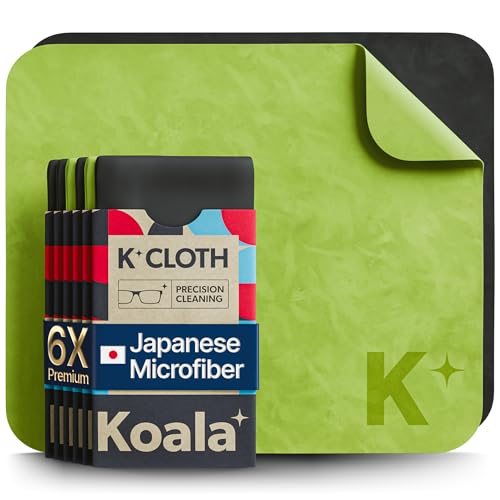
- Microfiber cloth for OtterBox case rubber cleaning
- Isopropyl alcohol wipes 70% electronics cleaning safe OtterBox
- Non abrasive cleaning brush electronics OtterBox case
- Mild dish soap solution spray bottle for cleaning OtterBox case rubber

Before You Start
Place the device in a safe spot and remove it from any charger. Work in a well-lit area to spot dirt and residue easily. Test any cleaning method on a small, inconspicuous area of the rubber first to ensure there’s no color transfer or material reaction. Avoid soaking the case completely in water if the OtterBox is still attached to a phone or device, and never use acetone, bleach, or ammonia-based cleaners on rubber components, as these can degrade the material.
Estimated prep time: 5–10 minutes. Cleaning duration: 5–15 minutes depending on dirt levels. Safety note: ensure the device itself is powered off and dry before reassembly or use.
Step-By-Step: How To Clean An OtterBox Case Rubber
- Detach any removable components and separate the inner shell if the model allows for it, to access all rubber surfaces.
- Rinse the case under warm running water to loosen surface dust and debris.
- Prepare a mild dish soap solution in a spray bottle or small bowl using warm water and a few drops of mild dish soap.
- Dip or lightly dampen a soft non abrasive cleaning brush or the soft bristle toothbrush with the soapy solution.
- Gently scrub the rubber surfaces in circular motions, paying attention to seams, grooves, and textured areas where dirt accumulates.
- Rinse thoroughly with warm water to remove all soap residue. Ensure no soap remains in grilles or along edges.
- For stubborn spots, wipe with a 70% isopropyl alcohol wipe, then rinse again and air dry or pat dry with a microfiber cloth.
- Dry the case completely with a microfiber cloth, then let it air dry for a few extra minutes before reassembling with the device.
- Reattach any components and ensure the case is completely dry before use or charging the device.
Troubleshooting
| Symptom | Likely Cause | Fix | Prevention |
|---|---|---|---|
| Streaks after drying | Soap residue or water spots | Wipe with microfiber and air dry fully | Rinse thoroughly; use a damp but not dripping brush |
| Fading color or rubber rigidity | Harsh cleaners or solvents | Switch to mild soap and water; avoid solvents | Regular gentle cleaning, avoid abrasive chemicals |
| Sticky surface after cleaning | Soap buildup | Rinse again and dry completely | Use lighter soap concentration |
| Water pooling in seams | Improper drying | Pat dry, then air dry fully | Thorough drying after each cleaning |
Common Mistakes
- Using abrasive brushes or hard scrubbers that scratch rubber
- Soaking the whole case or devices in water for extended periods
- Applying alcohol too frequently or in high concentrations on sensitive rubber
- Skipping thorough drying, which can lead to odor or mold
Tips For Best Results
- Dry with a microfiber cloth first, then let the case air dry completely to prevent moisture trapped inside seams.
- Do a quick clean monthly to prevent buildup rather than waiting for heavy grime.
- Spot-clean small stains with a light alcohol wipe rather than full soaks to minimize material exposure.
- Store the case in a dry area away from direct sunlight to reduce rubber degradation over time.
Call A Professional
Consider professional help if the case material shows signs of cracking, peeling, or persistent odors that do not improve with routine cleaning. Seek a professional if the case has sustained significant damage that could affect device protection, or if you suspect chemical exposure beyond mild cleaners.
FAQ
Can I clean an OtterBox rubber case with dish soap?
Yes, a mild dish soap solution is appropriate for routine cleaning when used with a soft brush and warm water.
Is 70% isopropyl alcohol safe for rubber OtterBox cases?
Yes, for spot cleaning on stubborn marks, but avoid prolonged exposure and always rinse afterward and dry completely.
Should I remove the phone from the case during cleaning?
Yes, remove the device to prevent damage and ensure all surfaces are cleaned thoroughly.
How often should I clean my rubber OtterBox case?
Clean as needed for visible dirt or residue; a light clean every few weeks helps maintain appearance and grip.
What should I avoid when cleaning?
Avoid acetone, bleach, ammonia cleaners, or abrasive tools that can degrade rubber over time.
Buying Guide
When selecting a case for protecting a device, consider how rubber surfaces influence grip, cleaning frequency, and longevity. Key factors include size compatibility with the device, material durability, and ease of cleaning.
- Size and fit: Confirm model compatibility to ensure full protection without bulk.
- Material resilience: Rubber textures should resist cracking and maintain grip after cleaning.
- Cleaning ease: Choose rubber that responds well to mild soap and soft brushes without staining.
- Surface texture: A textured rubber grip helps prevent slipping and hides minor wear from cleaning.
- Maintenance requirements: Less porous rubber surfaces may resist staining and odors better.
- Price and warranty: Consider warranties that cover wear and tear and verify cleaning compatibility.
For many users, a rubber-backed OtterBox case balances protection with straightforward cleaning. If the case shows significant wear, color fading, or persistent odors despite regular cleaning, consider upgrading to a newer model that maintains grip while providing robust protection.