Old stainless steel surfaces can accumulate fingerprints, smudges, and oxidation that dull their luster. This guide outlines a simple, safe method to restore shine using commonly available care products while protecting the finish.
Following these steps helps minimize scratches and preserves the protective coating on appliances, fixtures, and cookware. The focus stays on gentle cleaning and timely maintenance to keep stainless steel looking its best for years to come.
Quick Answer
Use a dedicated stainless steel cleaner or polish, apply with a microfiber cloth, and gently buff in the direction of the grain. For tougher spots, a non-abrasive scrub pad works with a mild paste, then wipe clean and dry to prevent water marks.
What You’ll Need
- Stainless steel cleaner spray with microfiber cloth
- Non-abrasive stainless steel scrub pads set
- Stainless steel rust remover paste 3 oz
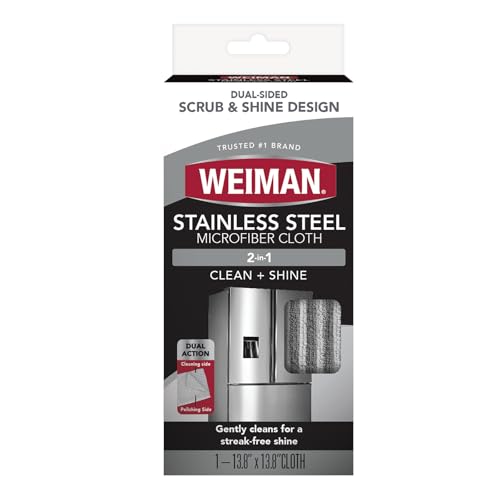
- Stainless steel appliance polishing cloths
- Stainless steel polish kit with microfiber cloth and spray


Before You Start
Move any loose items away from the area to be cleaned. Confirm the surface is non-porous stainless steel and not a coated or painted finish. Work in a well‑ventilated area and test a small, inconspicuous spot first. Avoid ammonia-based cleaners and bleach on stainless steel, as they can damage the surface. Allow the area to dry between steps to prevent streaks.
Estimated time: about 15–30 minutes, depending on surface size and condition. For heavily tarnished surfaces, allow extra time and repeat steps as needed.
Step-By-Step: How To Clean Old Stainless Steel
- Prepare the surface by wiping away loose dust with a dry microfiber cloth.
- Apply a small amount of stainless steel cleaner spray to the cloth. Do not spray directly onto the surface to avoid drips.
- Wipe in the direction of the grain, covering the entire area in smooth, even motions.
- For stubborn marks, lightly dampen a non-abrasive scrub pad and rub with minimal pressure along the grain.
- Rinse or wipe away cleaner residue with a clean microfiber cloth. Dry thoroughly to prevent water spots.
- If discoloration or rust is present, apply the stainless steel rust remover paste to a cloth and gently massage the affected area, then rinse and dry.
- Polish the surface using a stainless steel appliance polishing cloth or a microfiber cloth with a light spray of polish until a uniform shine appears.
- Buff in the grain direction to maximize luster and reduce streaking.
- Inspect the area for missed spots; repeat cleaning and polishing steps as needed.
- Finish with a light wipe using a clean cloth to remove any remaining residue.
- Store cleaning materials out of reach and keep surfaces dry to prevent future spotting.
- Schedule periodic maintenance to preserve the finish and minimize buildup over time.
Troubleshooting
| Symptom | Likely Cause | Fix | Prevention |
|---|---|---|---|
| Streaks after cleaning | Residue or water spots | Wipe with a dry microfiber cloth and buff along grain | Dry thoroughly after each cleaning |
| Fading or dull appearance | Old or harsh cleaners | Switch to a mild stainless steel cleaner | Use appropriate products for stainless steel only |
| Rust spots | Surface oxidation or metal wear | Apply rust remover paste as directed, then polish | Address moisture issues and clean regularly |
| Scratches become noticeable | Overly abrasive tools | Stop using scrub pads; switch to non-abrasive options | Use grain-aligned motions and gentle pressure |
Common Mistakes
- Using abrasive pads or steel wool on stainless steel
- Spraying cleaners directly onto surfaces and letting drip marks dry
- Choosing ammonia-based or chlorine-bleach cleaners for sensitive finishes
- Neglecting to dry surfaces after cleaning, leading to water spots
Sticking to gentler products and proper drying can dramatically improve results and minimize damage over time.
Tips For Best Results
- Always wipe with the grain to reduce micro-scratches and enhance uniform shine
- Use a dedicated microfiber cloth for cleaning and another for drying to avoid cross-contamination
- Rotate between cleaners and polishes to find the best combination for your surface
- Clean regularly to prevent buildup of grime and fingerprints that require stronger treatments
- Test new products on a hidden area before full application
Call A Professional
Seek a professional if there is extensive pitting, deep scratches, significant rust that cannot be removed with standard pastes, or if the appliance surface is discolored beyond simple cleaning. Also contact a pro if you suspect coating damage or if cleaning could void warranties.
FAQ
Can I use vinegar on stainless steel?
Vinegar is generally safe in small amounts for light polishing, but avoid strong acetic solutions on sensitive finishes or coatings. Always test first.
Will these methods remove fingerprints?
Yes, using dedicated stainless steel cleaners and a polishing cloth helps reduce fingerprint marks and maintain a smoother finish.
Is it okay to spray cleaner on glossy surfaces?
Spray onto cloth rather than directly onto the surface to control application and prevent drips.
How often should I clean stainless steel appliances?
Clean monthly or as needed to keep surfaces looking like new and to minimize buildup between deep cleanings.
Buying Guide
When choosing stainless steel care products, consider factors such as surface type, finish, and the level of shine you want. Key buying factors include:
- Size and coverage: Choose products sized for your typical cleaning tasks and surface areas.
- Noise level: If using spray bottles and cloths, consider ease of use and minimal noise during application.
- Energy efficiency and environmental impact: Look for products with packaging that minimizes waste and contains safe, non-abrasive formulations.
- Controls and ease of use: Sprays, pastes, and microfiber cloths should be simple and quick to use with minimal effort.
- Placement and storage: Store cleaners in a cool, dry place away from children and pets; keep nearby for convenient maintenance.
- Variant options: A kit that includes microfiber cloths, spray, and polishing paste offers a complete solution for most homes.
Do you want a brighter finish or a deeper polish? Balancing the right combination of cleaner, paste, and cloth can help you achieve the desired look without overdoing it.