Oily pillowcases can attract morning grime and skincare residues, making them look dull and feel greasy. This guide provides practical, step‑by‑step methods to lift oil from pillowcases made of cotton, microfiber, and blends, using common household tools and targeted stain removers.
Quick Answer
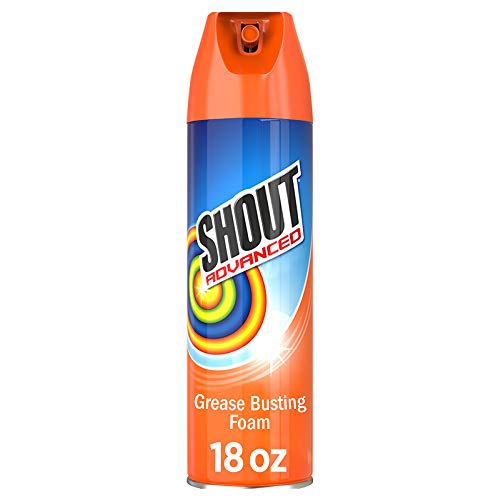
Pre-treat oil stains with a dedicated grease stain remover spray for fabrics or a laundry stain pretreatment gel, then launder on the warmest setting safe for the fabric. For stubborn spots, apply a fabric stain remover pen for grease and finish with a microfiber cleaning cloth for any remaining sheen.
What You’ll Need
- Grease stain remover spray for fabrics
- Fabric stain remover pen for grease
- Microfiber cleaning cloth for fabric oil stains
- Soft laundry brush for fabric stains
- Laundry stain pretreatment gel for grease on fabrics
- Regular detergent suitable for pillowcases


Before You Start
Begin with a quick inspection of the pillowcase material and any care labels. Most pillowcases tolerate warm water, but delicate fabrics may require cooler cycles. Test a hidden area first with a small amount of pretreatment to ensure colorfastness. Prepare bedding by removing pillowcases and separating from other laundry. Plan for multiple steps if the stain is old or set.
Step-By-Step: How To Clean Oily Pillowcases
- Gently blot excess oil with a clean cloth to prevent further spreading.
- Apply laundry stain pretreatment gel for grease on fabrics to the stained area and let it sit for 5–10 minutes.
- For heavy stains, use the grease stain remover spray for fabrics directly on the spot and work in with a soft laundry brush, using light circular motions.
- After pretreatment, rub a small amount of regular detergent into the stain and let it penetrate for 5 minutes.
- Wash the pillowcase in the warmest water allowed by the care label with an appropriate detergent.
- Recheck the stain before drying. If any oil remains, repeat the pretreatment and wash cycle; avoid drying until the stain is gone, as heat can set the stain.
- Dry the pillowcases according to the fabric guidelines; air drying is safest for delicate fibers, while cotton blends can tolerate a dryer on a normal cycle.
- If odor lingers after washing, repeat a second wash with a small amount of grease stain remover spray for fabrics before drying.
- Finish with a fabric stain remover pen for grease on any residual spots and wipe with the microfiber cloth to restore freshness.
- Inspect a final time and store with clean, dry pillowcases ready for use.
Troubleshooting
| Symptom | Likely Cause | Fix | Prevention |
|---|---|---|---|
| Oil reappears after washing | Stain was not fully pretreated | Re-treat with gel or spray and wash again | Apply pretreatment before washing every time |
| Streaks or white film | Detergent residue or hard water | Rinse cycle or a second wash with less detergent | Use proper amount of detergent; consider a rinse aid |
| Fabric color fading | Harsh chemical on delicate fabric | Switch to gentler cycle or test a hidden area | Follow care label and avoid overusing chemicals |
| Stubborn set-in stain | Oil embedded in fibers | Try multiple pretreatments or longer dwell time | Pre-treat at first sign of stain |
Common Mistakes
- Rubbing oil too aggressively, which can push stain deeper into fibers
- Using hot water on delicate fabrics, risking color fading
- Drying stained pillowcases before stain removal completion, which sets the stain
- Neglecting to test pretreatment products on hidden fabric areas
Tips For Best Results
- Address oil stains as soon as possible for higher success rates.
- Use the least aggressive cycle that effectively cleans the fabric to preserve fibers.
- Pair a pretreatment gel with a grease removal spray for stubborn stains.
- Keep a small stock of microfiber cloths to blot and lift oil during prewash steps.
- After washing, air dry delicate pillowcases to avoid heat damage.
Call A Professional
Consider professional cleaning if pillowcases are silk, satin, or have persistent chemical finishes that resist standard stain removers. If staining persists after multiple pretreatment attempts and washes, seek expert care to avoid fabric damage.
FAQ
Can I use regular detergent on oily pillowcases?
Yes, regular detergent works, but pretreating oil stains with a dedicated product improves results on fabrics prone to grease buildup.
Is warm water safe for all pillowcase fabrics?
Most cottons tolerate warm water, but delicate fabrics may require cold or cool water as indicated on care labels.
How long should I let pretreatment sit?
Allow 5–10 minutes for gel pretreatments and a shorter dwell time for lighter stains.
What if the stain returns after drying?
Avoid drying until the stain is fully removed; re-wet and repeat the pretreatment and wash steps as needed.
Buying Guide
When choosing products to tackle oily pillowcases, consider several factors to ensure effective cleaning without harming fabrics.
- Size and fabric compatibility: pillowcase fabrics range from cotton to microfiber; select products labeled safe for the material you own.
- Effectiveness on grease: look for dedicated grease stain removers and pretreatment gels designed for fabrics.
- Application tools: pens, sprays, and brushes can target stains precisely; combine tools for stubborn spots.
- Detergent compatibility: ensure detergents work well with the stain removers and do not leave residues.
- Ease of use and dwell time: choose products with simple instructions and practical waiting periods to fit laundry routines.
- Noise and energy considerations: standard home laundry cycles are efficient; consider machines with sensible heat and spin settings.
- Placement and storage: store stain removers in a cool, dry place away from children and pets, near laundry supplies for quick access.