Oil spills on pavers can leave stubborn stains and attract dirt if not tackled promptly. The following guide provides a practical, step-by-step method using commonly available cleaners and tools to restore the appearance of concrete pavers without damaging the surrounding landscape.
This article covers practical techniques, safety notes, and product options to help homeowners choose the right approach for oil stains on pavers, including environmentally friendly degreasers and effective scrubbing routines.
Quick Answer
Act quickly with a degreasing cleaner, apply a citrus-based degreaser for tight stains, scrub with a stiff nylon brush, and rinse with a pressure washer or hose. For stubborn spots, repeat the process or use an oil stain remover designed for concrete. Absorb excess oil first, then treat the area to prevent recurrence.
What You’ll Need
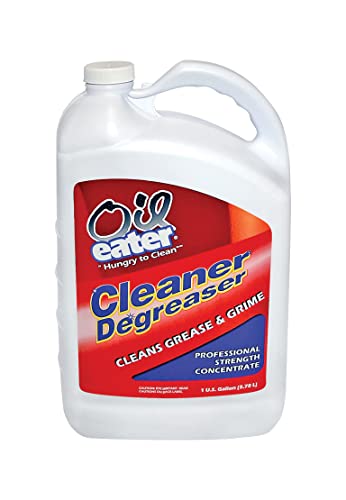
- paver oil stain remover concrete degreaser
- pressure washer detergent for oil stains on concrete pavers
- citrus-based degreaser for concrete pavers oil
- stiff nylon scrub brush for oil stain on paver stones
- oil absorbent spill pads for concrete pavers


Before You Start
Identify the extent of the stain and check paver levelness to avoid water pooling. Clear the work area of plants, furniture, and decorative stones. Wear protective gloves, eye protection, and appropriate footwear. Allow the surface to dry before applying cleaners if needed. Time estimates vary by stain severity: plan for 1–3 hours for initial cleaning, plus additional time for repeat treatments if necessary. Never mix cleaners with bleach or ammonia, and avoid using high-pressure washers on delicate paver edges to prevent damage.
Step-By-Step: How To Clean Oil Off Pavers
- Contain the spill with oil absorbent spill pads for concrete pavers to prevent spreading and to protect nearby surfaces.
- Blot and absorb as much oil as possible using clean rags or pads; avoid rubbing far into the paver joints, which can push oil deeper.
- Apply a paver oil stain remover concrete degreaser or a citrus-based degreaser for concrete pavers oil directly to the affected area, following label directions for dwell time.
- Scrub the stained area with a stiff nylon scrub brush for oil stain on paver stones, using circular or back-and-forth motions to lift oil from the pores.
- Rinse with a garden hose to remove loosened oil and degreaser; for deeper stains, a low-pressure spray helps avoid dislodging joint sand.
- If stains persist, reapply the degreaser and scrub again, then let it dwell longer per product instructions before rinsing.
- For tough residues, use a paver oil stain remover concrete degreaser specific for stubborn spots, repeating the application as needed.
- Wash the area thoroughly and inspect the surface; for archival stains, repeat cycles or consider a second cleaning pass with a different product.
- Dry the surface completely and re-sweep joint sand if necessary to restore the paver’s appearance and stability.
- Dispose of used pads and rinse water in accordance with local environmental guidelines; never pour dirty rinse water into storm drains.
- Optional maintenance: apply a sealant to pavers after the area is completely dry to help resist future oil absorption.
- Document the stain and spot-clean any new occurrences promptly to prevent buildup and easier future cleanups.
Troubleshooting
| Symptom | Likely Cause | Fix | Prevention |
|---|---|---|---|
| Stain remains after first pass | Deep oil penetration or old stain | Apply a stronger degreaser or oil stain remover and scrub longer; repeat as needed | Address spills promptly; place absorbents immediately |
| Patchy dye or color loss | Harsh cleaner contact or over-scrubbing | Use milder cleaner, gentler brushes, and protect non-stained areas | Test cleaner on a small area first |
| Joint sand washed away | High-pressure rinse or over-wetting | Use lower pressure and minimal water; re-sand joints after drying | Seal or reseal after cleaning |
| Oil returns after rain | Surface absorbed oil not fully removed | Repeat cleaning cycle and consider sealant for ongoing protection | Address spills quickly; use absorbent pads during storage |
Common Mistakes
- Rubbing oil deeper into the paver joints with aggressive scrubbing
- Using bleach or ammonia with degreasers, which can damage the surface
- Relying on a single cleaning attempt for older or larger stains
- Neglecting to protect nearby plants and lawn from cleaners
Sticking to proper techniques and repeating as needed yields the best results for oil-stained pavers.
Tips For Best Results
- Choose a citrus-based degreaser for a greener option on lighter stains.
- For frequent parking areas, consider a routine refresh with a dedicated pressure washer detergent for oil stains on concrete pavers.
- Pre-treat with absorbent pads to reduce spreading while you work.
- Work in shade if possible to prevent quick evaporation of cleaners, which can reduce effectiveness.
- Test any product in an inconspicuous spot first to ensure colorfast results.
Call A Professional
Consider hiring a pro if oil staining covers a large area (more than a few square feet), the stain is old and deeply set, or pavers are damaged. Stop signs to call a professional include persistent staining despite multiple cleanings, cracking or loosening of paver edges, or combined cosmetic issues such as efflorescence and severe discoloration that require specialized equipment or sealants.
FAQ
Can I use a traditional household degreaser on pavers?
Yes, but select one labeled for concrete or pavers to avoid harming the surface.
Is pressure washing safe for pavers?
Low to moderate pressure is typically safe, but avoid high pressure near joints and edges to prevent damage.
What if the stain returns after cleaning?
Repeat the cleaning cycle or consider applying a sealer to reduce future oil absorption.
How long should I wait before resealing after cleaning?
Wait until the pavers are completely dry, usually 24–48 hours depending on climate and moisture.
Buying Guide
Choosing the right products and tools helps optimize oil stain removal on pavers. Consider the following factors:
- Size and scope: For small driveways or patios, spot treatments with a degreaser may suffice; larger areas may require a heavier-duty cleaner and professional equipment.
- Noise level and convenience: Hand-applied cleaners with brushes reduce noise and equipment needs, while pressure washers speed up work but generate louder operation.
- Energy efficiency and environmental impact: Citrus-based or biodegradable degreasers are typically less harsh on the environment compared to solvent-based formulas.
- Controls and dosage: Look for products with clear dwell times and simple application steps to minimize guesswork.
- Placement and surface compatibility: Ensure the product is labeled for concrete pavers and suitable for outdoor use without staining adjacent materials.
- Cost vs. longevity: Repeated treatments may be more economical than a single heavy-duty chemical, depending on stain severity.
- Future protection: Consider sealing pavers after cleaning to reduce future oil penetration and ease of maintenance.
With the right approach and products, most oil stains on pavers can be significantly reduced or eliminated. When in doubt, testing on a small area and following label directions is the safest path to a clean, refreshed surface.