Newly refinished hardwood floors require a careful cleaning routine to protect the polyurethane finish and preserve the luster. This guide offers practical, step-by-step instructions tailored for American homes, using common household tools and dedicated wood floor cleaners that are safe for fresh finishes.
By following these steps, homeowners can maintain the beauty of their refinished floors without risking water damage, streaks, or dulling of the finish. The recommendations emphasize pH-neutral cleaners and microfiber tools to minimize abrasion and residue.
Quick Answer
Use a pH-neutral hardwood floor cleaner specifically formulated for polyurethane, paired with a microfiber mop or a soft cloth. Avoid soaking the floor; use a damp mop, not a wet mop, and dry the surface promptly to prevent water penetration into seams.
What You’ll Need
- pH-neutral hardwood floor cleaner for polyurethane finish
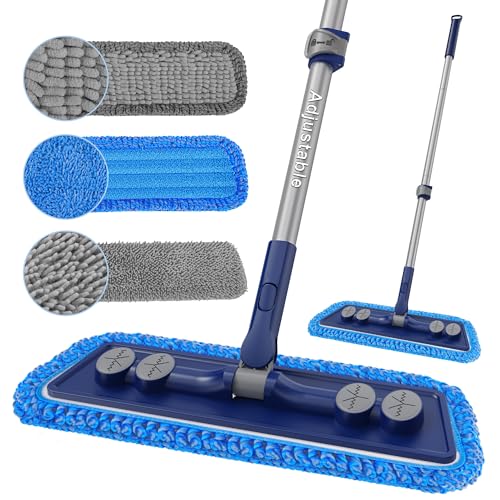
- microfiber mop for hardwood floors
- wood floor cleaner spray safe for new finishes
- dust mop with microfiber head hardwood floors
- hardwood floor cleaner concentrate for polyurethane


Before You Start
Before cleaning, ensure the floor is fully cured as advised by the installer or manufacturer. Vacuum or sweep to remove loose dirt and grit that could scratch the surface. Do not use steam cleaners, ammonia-based cleaners, or excessive water on newly refinished wood. Protect high-traffic areas with rugs and avoid direct sunlight for prolonged periods to minimize discoloration. The typical initial curing window ranges from several days to a couple of weeks, depending on finish and room conditions.
Step-By-Step: How To Clean Newly Refinished Hardwood Floors
- Begin by removing loose debris with a dust mop with microfiber head hardwood floors to prevent scratching during mopping.
- Lightly dust or sweep the entire area to compute the extent of cleaning required, then move furniture when safe.
- Mix a small amount of pH-neutral hardwood floor cleaner for polyurethane finish with water if using a concentrate or use a ready-to-use spray cleaner designed for new finishes.
- Apply the cleaner to a microfiber mop for hardwood floors or to a microfiber cloth; never pour cleaner directly onto the floor in excess.
- Wipe along the grain with a damp (not soaking wet) mop to lift dirt without saturating the finish.
- For stubborn spots, use a damp cloth with a small amount of cleaner and rub gently; avoid abrasive pads or harsh scrubs.
- Rinse the mop or cloth frequently to prevent re-depositing dirt onto the floor.
- After cleaning, go over the floor with a dry microfiber pad or a dry dust mop to remove any remaining moisture.
- Allow the floor to air-dry completely before moving furniture back into place and reopening the area to foot traffic.
- Schedule regular maintenance using a wood floor cleaner spray safe for new finishes as needed to maintain gloss and reduce buildup.
- Store cleaning products out of reach of children and pets, and label any concentrate clearly to avoid misuse.
- Reassess the finish periodically; if dullness or streaking appears, re-evaluate your cleaning products to ensure compatibility with polyurethane.
Troubleshooting
| Symptom | Likely Cause | Fix | Prevention |
|---|---|---|---|
| Streaks after cleaning | Residue from cleaner or soft water minerals | Wipe with a damp microfiber cloth; dry thoroughly | Use a pH-neutral cleaner and distilled water if possible |
| Water spots or rings | Excess moisture | Dry mop immediately after cleaning | Avoid soaking the floor; keep moisture to a minimum |
| Scratches appear after cleaning | Abrasive pad or grit picked up during cleaning | Switch to microfiber tools; remove grit first | Use a dust mop before wet cleaning |
| Finish dulls over time | Harsh cleaners or sunlight exposure | Replace cleaner with pH-neutral options; shade rooms | Place area rugs in high-traffic zones |
Common Mistakes
- Using steam cleaners on polyurethane floors
- Soaking the floor with water or overly wet mop pads
- Using ammonia-based or abrasive cleaners that can dull the finish
- Neglecting to dry the floor after cleaning, leading to moisture buildup
- Choosing cleaners not labeled for new finishes or polyurethane
Tips For Best Results
- Establish a regular cleaning cadence to prevent buildup that requires harsher cleaning methods.
- Test any cleaner in a small, inconspicuous area before full-floor use.
- Choose a dedicated microfiber mop with a soft head to avoid scratching.
- Maintain a dry-mopping routine between wet cleans to minimize moisture exposure.
- Rotate furniture occasionally to avoid uneven wear patterns in high-traffic rooms.
Call A Professional
Consider a pro if the finish shows significant cloudiness, yellowing, or bubbling after cleaning attempts. Signs that require professional intervention include persistent dullness, water intrusion into seams, or visible damage near floor edges. If specialists recommend refinishing again, a professional can assess the underlying finish condition and provide proper guidance.
FAQ
Can I use a generic cleaner on newly refinished hardwood floors?
Stick to a pH-neutral hardwood floor cleaner for polyurethane finish to avoid damage and preserve the new look.
How often should I clean newly refinished floors?
Regular light cleaning weekly with a microfiber mop is recommended; deeper cleans monthly or as needed based on foot traffic.
Is it safe to use water directly on the floor?
Avoid excess water; use a damp mop and dry promptly to prevent moisture from seeping into seams.
What tools are best for a new finish?
Opt for a dust mop with microfiber head hardwood floors for dry cleaning and a microfiber mop for hardwood floors for wet cleaning.
Buying Guide
When choosing cleaners and tools for newly refinished hardwood floors, consider size, noise level, energy efficiency, controls, and placement. For the cleaner, look for official claims that the product is safe for polyurethane and suitable for new finishes. If you have a large living area, a larger microfiber mop head may reduce cleaning time, while a compact option is better for stairs and tight spaces. Consider spray cleaners for quick touch-ups and concentrates when you want to extend product life without mixing frequently. For homes with pets or children, select fragrance-free, low-residue formulas and ensure good ventilation during cleaning. Finally, plan a cleaning setup that keeps cleaning supplies away from heat sources and direct sunlight to maintain product efficacy. Would you prefer a simple spray system or a ready-to-use liquid solution? A well-chosen kit reduces clutter and simplifies maintenance over time.