Routine cleaning keeps a Mr Coffee maker brewing at its best, ensuring flavorful coffee and extending the appliance’s life. This guide covers a practical, step-by-step method that uses common descalers and brushes designed for coffee makers. It’s written for American kitchens and aims to be clear, safe, and effective.
Quick Answer
Descale the machine every 1–3 months depending on usage and water hardness. Use a descaler your model supports, run a cleaning cycle with fresh water, rinse thoroughly, and wipe the exterior and carafe. Regular maintenance prevents mineral buildup and improves performance.
What You’ll Need
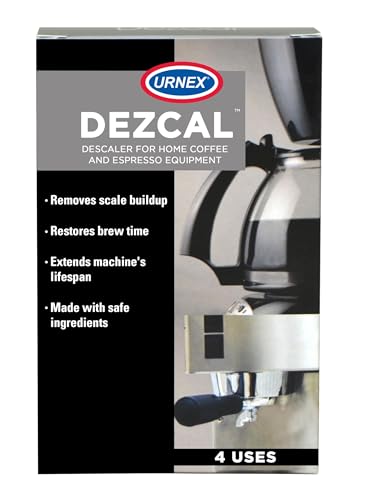
- Descaling products: descaling tablets for Mr Coffee maker or automatic coffee maker descaling powder
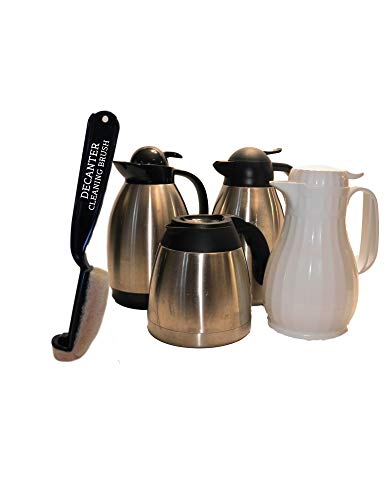
- Carafe cleaning tools: stainless steel carafe cleaning brush for coffee maker
- Cleaning kit: coffee maker cleaning kit with descaler and brush
- Gasket tools: replacement coffee maker gasket cleaning tool

Before You Start
Check the user manual for any model-specific cleaning instructions or cautions. Unplug the machine before handling internal components. Clear the area of clutter and ensure the carafe is empty. Time estimate: about 30–45 minutes. Safety note: if the machine has a leak, discontinue use and consult a professional.
Step-By-Step: How To Clean A Mr Coffee Maker
- Empty the carafe and remove any used coffee grounds or filters from the basket. Wipe the exterior with a damp cloth.
- Prepare the descaler solution according to the product’s instructions. Use descaling tablets for Mr Coffee maker or automatic coffee maker descaling powder as directed.
- Fill the water reservoir with the descaler solution up to the indicated fill line. Do not exceed the maximum capacity.
- Run a complete cleaning cycle without coffee. If your model has a dedicated cleaning setting, select it; otherwise run a standard brew cycle and pause mid-cycle to let the solution soak for 15–20 minutes.
- After the cycle completes, run 2–3 full cycles with clean water to rinse the interior and remove any remaining residue.
- While rinsing, use the stainless steel carafe cleaning brush for coffee maker to scrub the inside and the lid, then rinse thoroughly.
- Wipe the exterior, including the control panel and warming plate, with a mild cleaner and a damp cloth. Dry with a soft towel.
- Inspect the gasket and seals; if you notice buildup, use the replacement coffee maker gasket cleaning tool to gently clean around the gasket area or replace if worn.
- Reassemble everything, fill the reservoir with fresh water, and run a final rinse brew to ensure no cleaning solution remains.
- Test with a pot of plain water to verify there are no flavors carried over into coffee.
- Regular maintenance: run a quick rinse weekly and a deep descale every 1–3 months based on water hardness and usage.
Troubleshooting
| Symptom | Likely Cause | Fix | Prevention |
|---|---|---|---|
| Weak coffee or off-taste | Mineral buildup in lines | Descale thoroughly and rinse with multiple cycles | Regular descaling schedule |
| Slow brewing or no brew | Clogged water line or gasket | Clean lines with descaler solution; inspect gasket | Annual gasket inspection |
| Visible scale on carafe | Hot water too long or improper rinsing | Run extra rinses; scrub carafe | Rinse after every brewing session |
| Leaking around the base | Damaged gasket or seals | Replace gasket with the replacement coffee maker gasket cleaning tool | Handle with care; inspect seals |
Common Mistakes
- Using household vinegar exclusively for descaling, which can leave odors or cause residue
- Overfilling the reservoir with descaler solution
- Rinsing insufficiently after descaling, leaving cleaning agents in contact with coffee
- Neglecting exterior cleaning, which can affect aesthetics and performance
Avoid patches of buildup by sticking to a regular schedule and using the right tools listed above.
Tips For Best Results
- Soft water reduces mineral buildup; consider a water filtration pitcher for daily use
- Use a dedicated cleaning cycle if your model offers one, as it optimizes descaler contact with all passages
- Always finish with several clean-water cycles to ensure no residue remains
- Keep the carafe and lid dry after cleaning to prevent mold or odors
Call A Professional
Seek professional help if the machine shows persistent leaks, electrical issues, or if descaling fails to improve performance. Stop using the unit immediately if there is a burning smell, unusual noises, or visible damage to electrical parts.
FAQ
How often should I descale a Mr Coffee maker?
Descale every 1–3 months based on water hardness and usage.
Can I use vinegar to descale?
Vinegar is sometimes effective, but many manufacturers recommend dedicated descalers to prevent residue and warranty issues.
Is it safe to use a cleaning brush on the carafe?
Yes, a stainless steel carafe cleaning brush designed for coffee makers is safe when used gently on the interior.
What if the gasket is damaged?
Replace the gasket with a compatible cleaning tool or kit and consider professional service if leaks persist.
Do I need to run multiple rinse cycles?
Yes, at least 2–3 rinse cycles ensure any cleaning solution is fully removed.
Buying Guide
When selecting cleaning supplies for a Mr Coffee maker, consider size, compatibility, and ease of use. Think about how often you brew, your water type, and whether you prefer a kit that includes descalers and brushes or separate products. Compare descaling tablets versus powders to see which dissolves faster and leaves fewer residues. For extended maintenance, a cleaning kit with brushes and replacement gaskets can simplify upkeep. Finally, verify that products are safe for your model and do not void warranties.