Removing mortar residues from brickwork without using acid is a common maintenance task for homeowners, contractors, and DIY enthusiasts. This guide provides a practical, step-by-step approach that protects brick surfaces while effectively lifting mortar stains using non-acid methods.
By following non-acid techniques, property owners can preserve the brick’s appearance and structure, avoid chemical damage, and extend the life of exterior walls. The steps cover prep, tools, methods, and safety considerations to help achieve a clean, uniform finish.
Quick Answer
Best approach: Begin with mechanical methods and non-acid cleaners, then use poultice or gentle chemical cleaners as needed. For delicate bricks, test a small area first and proceed slowly to prevent surface damage. A pressure washer on a low setting can be effective when paired with a non-acid brick cleaning kit and a brush, but avoid high pressure on older or soft bricks.
What You’ll Need
- Non-acid brick mortar remover cleaner
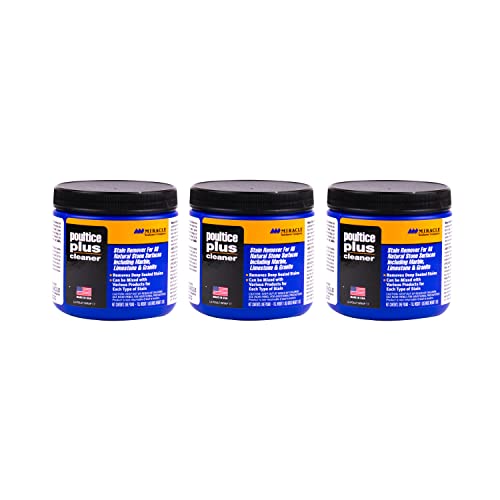
- Mortar stain remover poultice for brick exterior
- Non acidic brick cleaning kit
- Wire brush masonry cleaning mortar from bricks
- Pressure washer safe mortar remover brick exterior non acid

Before You Start
Assess brick condition and test a hidden area to check for surface etching or color change. Wear protective gloves, eye protection, and a respirator if dusty work is anticipated. Work from the bottom up to control runoff and protect surrounding landscaping. Protect nearby windows, plants, and metal fixtures with plastic sheeting or tarps. Plan for multiple passes and allow drying time between applications; typical jobs may take several hours to a full day depending on stain severity and climate.
Critical cautions: Do not use acidic cleaners or harsh, abrasive tools on soft brick or vintage brick; aggressive scrubbing can damage the face of the brick. If the mortar is deeply integrated into the brick texture, consider alternative restoration options or professional evaluation.
Step-By-Step: How To Clean Mortar Off Bricks Without Acid
- Prepare the area and gather supplies, ensuring all tools are ready for a steady workflow.
- Dry brush loose mortar from the brick surface with a stiff wire brush, using firm but controlled motions.
- Apply a non-acid brick mortar remover cleaner to the stained areas according to the product directions, allowing time for the solution to work on the mortar.
- Use a mortar stain remover poultice for brick exterior on stubborn spots, following the manufacturer’s layering and drying times. Apply evenly to avoid streaks.
- Rinse the wall with clean water from a spray bottle or gentle hose line, starting from the top and moving downward to prevent re-depositing grime.
- For tougher stains, scrub with a wire brush masonry cleaning mortar from bricks method, avoiding excessive pressure that could harm the brick face.
- Utilize a pressure washer safe mortar remover brick exterior non acid at a low setting if the surface tolerates it, keeping the nozzle at a safe distance and moving continuously to avoid concentrating force in one spot.
- Rinse thoroughly and inspect for remaining mortar; repeat targeted applications only on areas showing persistent staining.
- Allow the brick to dry completely before applying any sealant or finishing coat, if planned.
- Document results and note any areas that require future maintenance or touch-up work.
- Clean tools promptly after use to prevent residue hardening on brushes and containers.
- Dispose of wash water and residues in accordance with local regulations to protect landscaping and waterways.
Troubleshooting
| Symptom | Likely Cause | Fix | Prevention |
|---|---|---|---|
| Stains persist after washing | Deep-set mortar or mineral deposits | Reapply poultice and extend dwell time; consider a second pass | Address stains promptly to prevent setting |
| Brick surface dull or rough after cleaning | Overly aggressive scrubbing or chemical reaction | Switch to gentler methods and test area first | Limit abrasion and use appropriate cleaners |
| Water beads and does not absorb | Non-porous or sealed brick surface | Adjust technique; use poultice and steam-assisted methods if applicable | Choose products suitable for the brick finish |
| Staining returns after rain | Residual mortar components re-wetting and redepositing | Re-clean the area after a dry period | Regular maintenance, especially after humidity changes |
Common Mistakes
- Using acid-based cleaners on brick, which can damage the surface and mortar joints
- Scrubbing too aggressively, causing scuffing or roughening of the brick face
- Rushing the process; inadequate dwell times for poultice treatments
- Neglecting to protect plants and windows, leading to collateral staining
- Not testing cleaners on a small area before full application
Tips For Best Results
- Test products on a hidden brick area to confirm colorfastness and surface integrity
- Work in shaded conditions to reduce rapid drying and uneven results
- Use cold water rinse unless the product instructions specify otherwise
- Apply poultice evenly to avoid creating new stains or streaks
- Maintain a consistent cleaning rhythm to prevent patchy outcomes
- Keep pets and children away from work zones for safety
Call A Professional
Stop and consult a professional if any of the following apply: brick shows cracking, spalling, or crumbling joints; mortar stains are deeply embedded and resistant to non-acid methods; historic or antique brick is present; or moisture is detected behind the brick due to water intrusion. Professionals can determine if face rehabilitation, repointing, or sealing is appropriate and provide guidance tailored to the brick type and climate.
FAQ
Can I use a pressure washer to remove mortar from bricks without damaging them?
Yes, but it must be used on a low setting and held at an appropriate distance to avoid surface damage or forceful removal of mortar joints.
What should I do first if mortar stains are old?
Start with a non-acid cleaner and poultice, testing a small area and applying multiple gentle passes rather than a single aggressive pass.
Are there brick types that cannot be cleaned with non-acid methods?
Some vintage or highly porous bricks may require specialized care. When in doubt, test first or consult a professional.
Is sealing brick after cleaning recommended?
Sealing can protect brick surfaces, but it should be done after the brick is fully dry and following product guidelines to avoid trapping moisture.
Buying Guide
When selecting products to clean mortar off bricks without acid, consider size, efficiency, and compatibility with brick surfaces. Key buying factors include:
- Product compatibility: Look for non-acid brick cleaner formulations labeled safe for exterior brick and mortar joints.
- Removal effectiveness: Choose products with clear dwell-time instructions and proven stain-removal performance on common masonry stains.
- Tools included: Some kits provide a complete package (brushes, poultice materials, and cleaners) for a streamlined job.
- Surface safety: Prioritize non-abrasive, non-acid options designed to minimize surface etching or color changes.
- Ease of use: User-friendly instructions, ready-to-use formulas, and clear safety guidance help ensure consistent results.
- Environmental and safety considerations: Opt for biodegradable cleaners and low-toxicity formulations; ensure proper disposal of wash water.
- Accessibility: Availability of local supply and replacement parts, such as brushes or poultice pads, supports project timelines.
How the kit aligns with a project’s scope matters: for larger exterior walls, a more robust system with a pressure washer-safe formula may save time; for small brick features or historic surfaces, gentler cleaners and controlled approaches preserve aesthetics. Always read product data sheets and compare the included tools and finishes to pick the best fit.