Mold on vinyl surfaces, including car interiors and furniture, can be common in damp environments. This guide outlines practical, safe methods to remove mold and prevent recurrence using common cleaning tools and household products.
Quick Answer
For light mold, start with a mild cleaner and a soft brush. For tougher growth, use a dedicated vinyl mold remover spray with a nylon brush or a steam cleaner designed for vinyl upholstery. Always dry thoroughly after treatment to prevent return.
What You’ll Need
- vinyl upholstery mold remover spray with nylon brush
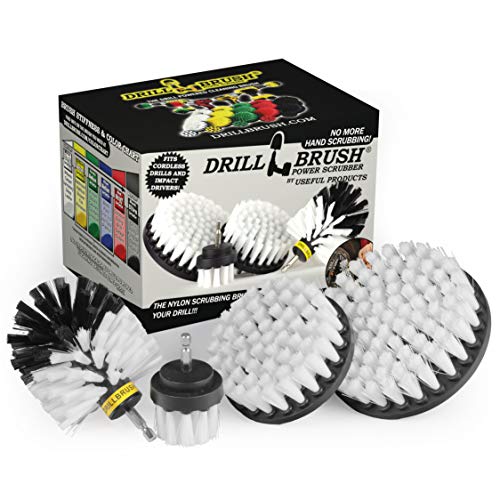
- car interior vinyl cleaning brush set for mold
- steam cleaner for vinyl upholstery mold removal
- microfiber scrub pad set for vinyl mold cleaning
- mold stain remover spray for vinyl seats with applicator brush


Before You Start
Safety first: wear gloves and a mask to avoid inhaling spores. Work in a well-ventilated area. Test cleaners on a small hidden area to check for colorfastness. Allow extra time for ventilation and thorough drying, especially in cars or furniture seams. Crucial cautions: do not apply bleach to colored vinyl; avoid high heat while damp to prevent warping.
Step-By-Step: How To Clean Mold Off Vinyl
- Vacuum loose mold spores from the surface to reduce spread.
- Apply a vinyl-safe cleaner or mold remover spray and let it sit per label directions.
- Gently scrub with a nylon brush or microfiber pad to lift mold.
- Rinse with damp cloth and repeat if necessary to remove residue.
- For stubborn stains, use a dedicated mold stain remover spray with an applicator brush.
- Dry the area completely with a clean towel or allow air circulation to prevent new mold growth.
- For fabric seams or tight corners, use a steam cleaner on a low-heat setting with caution.
- Reinspect after drying; treat any remaining spots with a second pass.
- Apply a vinyl protectant or sealant to slow future mold growth.
- Store items in a dry environment and control humidity to reduce recurrence.
Troubleshooting
| Symptom | Likely Cause | Fix | Prevention |
|---|---|---|---|
| Musty smell persists | Residual mold in crevices | Repeat cleaning focusing on seams | Ventilate after cleaning; use a dehumidifier |
| Fading color after cleaning | Harsh chemical reaction | Switch to vinyl-safe products and test first | Always test on hidden area |
| Streaks after wiping | Residue from cleaner | Wipe with clean, damp cloth until clear | Use minimal cleaner per area |
| Regrowth within days | Moist environment remains | Increase drying time and reduce humidity | Keep surfaces dry; consider mold inhibitors |
Common Mistakes
- Using bleach on colored vinyl, causing discoloration
- Over-wetting fabrics or seams, trapping moisture
- Skipping a proper test patch on hidden areas
- Rushing drying, leading to rapid mold return
Tips For Best Results
- Work in short, controlled sessions to monitor progress and dryness
- Choose cleaners labeled safe for vinyl to avoid damage
- Use a brush with soft bristles to prevent surface scratching
- Consider a follow-up treatment with a mold-inhibiting spray
Call A Professional
Seek professional help if mold covers large areas, if mold returns after treatment, or if the material is porous or damaged. Stop treatments and contact a pro when there is visible growth behind panels, persistent musty odors, or potential health concerns.
FAQ
Is steam cleaning effective for vinyl mold?
Yes, a steam cleaner can help lift mold from vinyl, but use low heat and follow with thorough drying to prevent moisture entrapment.
Can I use bleach on vinyl upholstery?
Bleach can damage colors and vinyl; use vinyl-safe cleaners or mold removers instead.
How long should vinyl air dry after cleaning?
Allow several hours in a dry, ventilated area; ensure all seams and crevices are dry before use.
What’s the best way to prevent mold after cleaning?
Control humidity, keep surfaces dry, and treat vulnerable areas with a preventive vinyl spray or conditioner.
Buying Guide
When choosing products to clean mold off vinyl, consider size, spray reach, and material compatibility. Look for mold-specific formulations that are safe for vinyl and upholstery. Consider tools that reach crevices, such as a nylon brush or steamer attachment. For car interiors, select a kit designed for automotive use with appropriate brushes and applicators. Assess noise, energy use, and portability if you plan to use steam cleaning or multi-tool options. Always verify that cleaners are safe for colored vinyl and won’t degrade protective coatings. Finally, consider storage space for ongoing maintenance to prevent future mold growth.