Mold growth on upholstery can be a persistent problem, especially in damp climates or homes with poor ventilation. This guide provides practical, safe steps to remove mold and prevent recurrence on fabric sofas, chairs, cushions, and other upholstered items. It covers effective cleaners, moisture control, and when to seek professional help.
Quick Answer
Start with a targeted spray of an upholstery mold remover spray fabric, followed by an enzyme cleaner for mold on upholstery fabric to neutralize odors and break down mold spores. Use a HEPA vacuum for mold on upholstery to capture remaining particles, then air out the furniture in a well-ventilated area. If stains linger, repeat with a mold stain remover for upholstery fabric spray.
What You’ll Need
- Upholstery mold remover spray fabric
- Fabric mildew cleaner for sofa upholstery
- Mold stain remover for upholstery fabric spray
- Enzyme cleaner for mold on upholstery fabric
- HEPA vacuum for mold on upholstery


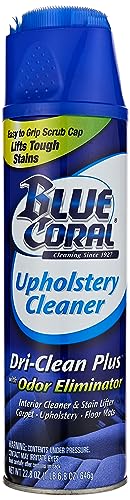
Before You Start
Safety first: wear a mask (N95 preferred) and gloves when handling mold and cleaning sprays. Test cleaners on a hidden fabric spot to check colorfastness and texture. Move furniture away from walls to allow airflow, and open windows or use a fan. Plan for a multi-step process that may take several hours plus drying time. Critical cautions: never scrub aggressively on delicate fabrics, avoid soaking upholstery, and ensure thorough drying to prevent new mold growth.
Step-By-Step: How To Clean Mold Off Upholstery
- Ventilate the area by opening doors and windows and running a fan to minimize inhalation exposure.
- Vacuum the upholstery with a HEPA vacuum for mold on upholstery to remove loose spores from the surface.
- Apply an upholstery mold remover spray fabric evenly over affected areas, following the product instructions for dwell time.
- Gently blot or wipe with a clean microfiber cloth to lift loosened mold and residues; avoid rubbing hard to prevent fabric damage.
- For persistent spots, use a mold stain remover for upholstery fabric spray, letting it sit briefly before blotting again.
- Spray an enzyme cleaner for mold on upholstery fabric onto the treated area; enzymes break down organic material that feeds mold.
- Rinse lightly if the product instructions require it, or wipe with a damp cloth to remove cleaner residues.
- Allow the fabric to dry completely in a well-ventilated area, ideally outdoors or near a dehumidified space to speed moisture removal.
- Re-vacuum the area with the HEPA vacuum once fully dry to capture any remaining spores or particles.
- If odor or staining persists after drying, repeat the steps with the corresponding products and extend airing time until the upholstery is odor-free.
- Consider applying a fabric protector after drying to help deter future mold growth, following manufacturer directions.
- Inspect nearby cushions and padding for moisture and treat as needed to prevent re-infestation.
Troubleshooting
| Symptom | Likely Cause | Fix | Prevention |
|---|---|---|---|
| Persistent musty odor | Residual mold or moisture | Repeat cleaning with enzyme cleaner; ensure complete drying | Keep humidity low; use a dehumidifier |
| Stains reappearing after cleaning | Deep-set mold or fabric damage | Apply mold stain remover again; consider fabric replacement if necessary | Dry thoroughly and avoid damp environments |
| Color fading or bleeding | Cleaner interaction with dye | Test spot first; use milder products or alternative cleaners | Always test on hidden area before full application |
| Fabrics stiff after cleaning | Residue from cleaners | Wipe with clean water and air-dry; re-vacuum | Rinse only as needed and follow drying guidance |
Common Mistakes
- Over-wetting upholstery, which can trap moisture and promote more mold growth.
- Using household bleach on colored fabrics, which can cause fading or damage.
- Skipping the drying step, leaving damp fabric that invites recurrence.
- Ignoring hidden areas like under cushions or along seams where mold can hide.
Tips For Best Results
- Work in layers: use a combination of sprays designed for upholstery to target different mold stages.
- Use a humid environment monitor; aim for relative humidity below 50% during drying.
- Always test cleaners on inconspicuous fabric areas to protect color and texture.
- Initially address the most affected areas; treat other spots after the primary areas dry.
- Keep area well-ventilated to speed drying and reduce lingering odors.
Call A Professional
Seek professional help if mold covers large areas (more than a few square feet), the fabric is delicate or antique, odors persist after repeated cleaning, or there is suspected mold behind the upholstery foam or in the padding. Persistent dampness, visible mold growth near electrical outlets, or adverse reactions during cleaning warrant expert assessment.
FAQ
Is it safe to use household cleaners on upholstery mold?
Most sprays designed for upholstery are formulated for fabric safety, but always test first on a hidden spot to avoid color damage or texture changes.
How long does it take upholstery to dry after cleaning?
Drying times vary with fabric type and room conditions but typically range from several hours to 24 hours. Use fans or dehumidifiers to speed up the process.
Can mold come back after cleaning?
Yes, if moisture remains or environmental humidity stays high. Address humidity, ensure thorough drying, and consider ongoing preventive measures.
Should I replace cushions after mold exposure?
Replacement may be necessary if padding is heavily contaminated or structurally compromised. A professional assessment can determine whether cleaning is sufficient.
What maintenance helps prevent mold on upholstery?
Regular vacuuming with a HEPA-equipped vacuum, keeping rooms ventilated, and using dehumidifiers in damp spaces reduce mold risks.
Buying Guide
Key buying factors
When choosing products to clean mold off upholstery, consider the following:
- Size and coverage: Look for spray bottles with a comfortable nozzle and enough volume to treat the affected area without frequent re-purchasing.
- Effectiveness against fabrics: Some cleaners are formulated for specific fabrics (synthetic, cotton, microfiber). Ensure compatibility with your upholstery type.
- Odor control: Enzymatic cleaners and odor-neutralizing formulas help reduce musty smells after treatment.
- Residue and rinsing needs: Choose products that leave minimal residue and are easy to wipe or rinse if required.
- Drying assistance: Products that work well with air drying and dehumidification speeds are beneficial in humid climates.
- Safety and usage: Follow safety data sheets and test spots to avoid fabric damage and skin exposure.
For comparisons, consider whether a kit combines several components (mold remover, enzyme cleaner, and stain remover) versus purchasing individual items. Think about your typical upholstery types, room humidity, and storage space for cleaning supplies. Would a dedicated HEPA vacuum be a practical addition to your mold-prevention routine?