Maintaining crystal-clear mirrors enhances any room, from bathrooms to entryways. Streaks often occur when cleaners leave residues, when towels shed fibers, or when dries too quickly in uneven airflow. This guide provides practical, product-backed steps to achieve streak-free results using common home supplies and a focused set of tools.
Quick Answer
For a fast, streak-free result, use a lint-free microfiber cloth and a streak-free glass cleaning spray. Apply in a zigzag or circular motion, then buff with a clean microfiber towel. For stubborn spots, switch to a glass cleaning squeegee for a final pass. Avoid ammonia-heavy formulas on tinted or antique mirrors and finish with a quick microfiber buff.
What You’ll Need
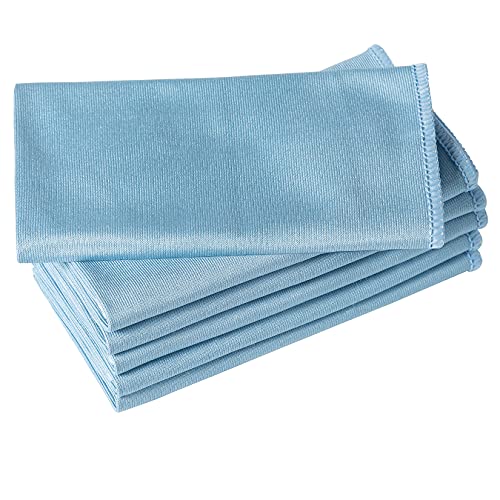
- Microfiber cloth for mirrors lint-free
- Streak-free glass cleaning spray bottle
- Glass cleaning squeegee for mirrors
- Window cleaning kit microfiber towels
- Ammonia-free glass cleaner spray bottle for mirrors


Before You Start
Prepare the area by removing any items from the mirror’s frame and laying down towels to catch drips. Work in a well-ventilated space and avoid direct sunlight, which can cause rapid drying and streaking. For safety, wear gloves if you have sensitive skin. Time estimate: 5–15 minutes per mirror, depending on size and smudges. Important: never mix cleaners with bleach or ammonia, as fumes can be hazardous and damage finishes.
Step-By-Step: How To Clean Mirrors Without Streaks
- Dust the surface lightly with a dry microfiber cloth to remove loose particles that could scratch the glass.
- Lightly mist the mirror with the streak-free glass cleaning spray bottle or ammonia-free glass cleaner. Avoid soaking the edges; cleaner should cover the glass surface only.
- Wipe with a microfiber cloth in a vertical then horizontal motion to break up oils and leave a uniform film.
- If you notice streaks forming, switch to a fresh microfiber towel and buff in a circular motion until dry and clear.
- For corners or edges, use a glass cleaning squeegee for a final pass, wiping the blade with a microfiber cloth after each stroke.
- Inspect the mirror under bright light and re-buff any remaining smudges with a clean, dry microfiber cloth.
- Repeat on any secondary mirrors or reflective surfaces nearby using the same method to ensure consistency.
- Store cleaners upright in a cool cabinet away from heat to preserve spray nozzle quality and prolong shelf life.
Troubleshooting
| Symptom | Likely Cause | Fix | Prevention |
|---|---|---|---|
| Squeaky, dusty film | Residue buildup | Switch to a fresh cloth and repeat with light mist | Use only a light spray and wipe immediately |
| Streaks after drying | Direct sun or overheating surface | Clean in shade and avoid high heat | Schedule cleaning for cooler, shaded times |
| Cloudy appearance | Harsh cleaner or ammonia overuse | Switch to ammonia-free formula and dilute slightly if needed | Use the correct ratios and avoid oversaturation |
| Edge smudges | Wipe technique | Change to vertical strokes toward edges, then buff with a dry cloth | Use a microfiber cloth designed for mirrors |
Common Mistakes To Avoid
- Over-spraying cleaners, which leaves water spots and films
- Using towels with lint or fibers that shed onto the glass
- Cleaning in direct sunlight or on a hot surface, which dries the cleaner too fast
- Mixing cleaners with vinegar on sensitive mirror coatings
Tips For Best Results
- Choose lint-free microfiber cloths specifically labeled for mirrors to minimize fibers and streaks.
- Always test a small non-visible area first if using a new cleaner.
- Dust mirrors weekly to prevent oil buildup that causes streaks during cleaning.
- Use a dedicated glass squeegee for large or highly reflective surfaces to speed up the process.
- Store cleaning products in a cool, dry place and replace worn towels promptly.
Call A Professional
Consider a professional if mirrors have persistent, etched, or non-glass coatings that respond poorly to standard cleaners. Seek help for antique mirrors, mirrors with delicate frames, or if cleaning requires elevated access beyond safe home practice. If you experience chemical exposure, dizziness, or irritation, stop cleaning and seek medical advice.
FAQ
What makes a cleaner streak-free?
A streak-free cleaner reduces residue and evaporates evenly, allowing microfiber cloths to lift oils without leaving films.
Can I use vinegar on mirrors?
Vinegar is generally safe for many glass surfaces, but avoid on some coatings. Use ammonia-free products if unsure.
Is a squeegee necessary?
A squeegee is helpful for large mirrors or glossy surfaces but not required for small or well-primed spots.
How often should I clean mirrors?
Clean high-use mirrors weekly or as needed to maintain a streak-free appearance in daily light.
Are household towels okay for cleaning?
Use dedicated microfiber towels; regular towels can shed fibers and cause streaks.
What about corners and frames?
Use a corner brush or the edge of a microfiber cloth for tight spots; avoid abrasive materials near delicate frames.
Do I need to rinse the mirror after cleaning?
No rinse is typically necessary with the right cleaner; simply buff dry with a fresh microfiber cloth.
Buying Guide
Choosing the right mirror-cleaning setup involves balancing effectiveness, safety, and ease of use. Consider the following factors to tailor a kit to your home environment.
Size and Coverage
For small bathrooms or powder rooms, a basic kit suffices. Larger bathrooms or wall-to-wall mirrors may benefit from a glass cleaning squeegee and a larger supply of microfiber towels to speed up the process.
Noise Level and Convenience
Electric or manual squeegees offer different convenience levels; manual tools are quieter and budget-friendly. If you prefer quick one-pass results, opt for a high-quality streak-free spray and a sturdy squeegee.
Energy Efficiency
Cleaning products have minimal energy use, but choose sprays with concentrated formulas to reduce packaging waste and improve efficiency per use.
Controls and Application
Look for spray bottles with fine-mist triggers to prevent oversaturation. Ergonomic handles help during longer sessions, especially on large mirrors.
Placement and Accessibility
Store kits near the bathroom or cleaning closet for easy reach. A wall-mounted kit with a recessed shelf keeps tools organized and reduces clutter.
Comparative Perspectives
When comparing products, consider whether you prefer ammonia-free formulas, microfiber towels designed for glass, or a complete window cleaning kit that bundles multiple tools. For sensitive surfaces or tinted mirrors, ammonia-free options reduce risk of damage.
Final Notes
With the right combination of tools and technique, any mirror can achieve a streak-free, reflective finish. The key lies in using lint-free microfiber cloths, avoiding over-wetting, and finishing with a dedicated buff to remove the last trace of moisture or residue. Ready to tackle mirror cleaning with confidence?