Cleaning mirrors without traditional glass cleaner is easy and effective with common household tools. By using a simple homemade solution and lint free fabrics, streaks can be minimized and shine restored. The following guide explains a practical approach tailored for American households looking for a budget friendly, Windex free method.
Quick Answer
Use a microfiber friendly approach with a homemade cleaner and a squeegee or microfiber towels to wipe away residue. Start with a small test area, work in sections, and finish with a dry microfiber cloth for a flawless finish.
What You’ll Need
Gather these tools and materials to clean mirrors effectively without Windex. The list emphasizes microfiber fabrics and a gentle cleaner that is ammonia free.
- microfiber glass cleaning cloths 12×12 for mirrors
- glass cleaning squeegee with microfiber sleeve
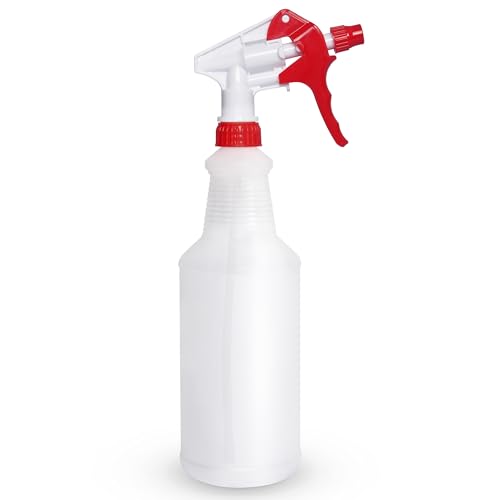
- 32 oz spray bottle for homemade mirror cleaner
- lint-free microfiber towels for streak-free mirror cleaning 16×24
- ammonia-free glass cleaner spray bottle kit


Before You Start
Prepare a clean, ventilated workspace and protect nearby surfaces. Use gloves if you have sensitive skin and avoid abrasive scrubbers that can scratch the glass. Do a quick dust wipe around the frame to prevent dirt from transferring during cleaning. Time estimate: 10 to 20 minutes depending on mirror size and cluttered frames.
Step-By-Step: How To Clean A Mirror Without Windex
- Mix a gentle homemade cleaner in the 32 oz spray bottle. A common formula uses distilled water with a small amount of mild dish soap and a splash of white vinegar if desired, though vinegar is optional for many glass finishes.
- Lightly mist the cleaning area starting at the top edge. Avoid soaking the surface to prevent dripping onto the frame.
- Wipe with a lint free microfiber towel or a microfiber glass cleaning cloth in a vertical motion to lift dust and initial grime.
- Use the glass cleaning squeegee with microfiber sleeve for large smooth panels. Pull from the top to bottom in steady, even strokes.
- Switch to a dry microfiber cloth to remove any remaining dampness. Buff gently in circular motions for a streak free look.
- Inspect for streaks under brighter light. If needed, repeat the spritz and wipe on particularly reflective corners or edges.
- Use a second clean microfiber towel to finalize detailing around the edges and corners where grime tends to collect.
- For heavily stained spots, apply a touch more cleaner to a small microfiber cloth and gently rub in a circular motion before re buffing with a dry cloth.
- Dry a final pass with a separate dry microfiber cloth to ensure complete moisture removal and uniform shine.
- Clean tool maintenance: rinse and air dry the microfiber cloths after use to maintain lint free performance for next time.
- Store your spray bottle and squeegee in a dry cabinet to prevent prolonged exposure to humidity that can degrade fabrics over time.
- Regular cleaning routine can prevent buildup; aim for weekly quick touch ups in bathrooms and kitchens where steam and splashes are common.
Troubleshooting
| Symptom | Likely Cause | Fix | Prevention |
|---|---|---|---|
| Streaks after cleaning | Residue left from cleaner or towels | Use a fresh microfiber cloth and apply less cleaner | Wash fabrics with mild detergent between uses |
| Cloudy glass | Water spots or hard water residue | Rinse area with distilled water before drying | Dry immediately after wiping |
| Cloth lint on surface | Lint in towel or fabric | Switch to a lint free microfiber towel | Store towels clean and dry |
| Streaks at frame edges | Cleaner seepage near frame | Wipe with minimal spray near edges | Use protective edging or cap the spray area |
Common Mistakes
- Over spraying cleaner onto the mirror, causing run off
- Using cotton towels that shed fibers onto glass
- Using abrasive tools that scratch the surface
- Neglecting to dry the surface completely after cleaning
Sticking with lint free microfiber materials and a light hand helps maintain clarity and avoids common issues seen with lower quality fabrics or excessive liquids.
Tips For Best Results
- Always wipe in consistent directions to help detect streaks early
- Test a small area before applying cleaner widely on new or delicate frames
- Use multiple clean cloths for a drying pass to prevent reintroducing dirt
- Run a final buff with a dry towel to maximize shine
- Store cleaning tools separate from dirty items to maintain hygiene and performance
Call A Professional
Consider a professional if a mirror has heavy scratch marks, clouding, or discoloration that does not respond to standard cleaning methods. Seek expert help for frames with delicate finishes or mirrors set in moisture prone locations where improper cleaners could cause material damage.
FAQ
Can I use vinegar in the homemade cleaner?
Yes for many surfaces; vinegar is optional and helpful for mineral residue. If unsure about the finish, skip vinegar and use a mild soap solution.
Is ammonia free better for mirror cleaning?
Ammonia free formulas are gentler for most home surfaces and reduce fumes while still delivering good clarity.
What cloth size is best for mirrors?
Medium to large lint free microfiber towels work well; smaller cloths are helpful for corners and edges.
How often should I clean my bathroom mirror?
Weekly quick cleans prevent buildup and extend clarity, with deeper cleans monthly if needed.
Buying Guide
Choosing tools for mirror cleaning without Windex involves evaluating several factors. Size matters for the task at hand; larger mirrors benefit from a squeegee with a microfiber sleeve, while smaller fixtures work well with microfiber towels. Noise level is typically not a concern with manual tools, but ensure the squeegee operates smoothly and without squeaks. Energy efficiency is less relevant for manual cleaning but consider reusable fabrics to reduce waste. Controls refer to how easily you manage spray dispersion and cloth pressure. Placement matters; store cleaners and towels in a dry area to prevent degradation. When comparing options, think about the durability of microfiber fabrics, the availability of ammonia free formulas, and the ease of maintaining tools for repeated use. Would you benefit from a complete kit that combines a spray bottle, microfiber towels, and a dedicated squeegee for quick setups? The right combination keeps cleaning simple and effective while avoiding residue and streaks.