Mildew on furniture can damage surfaces and leave stubborn odors if not addressed promptly. This guide explains practical, safe steps to remove mildew from wood and fabric surfaces, using common cleaners and tools suitable for an American household. Readers will learn how to treat different materials, prevent regrowth, and maintain furniture long-term.
Quick Answer
Fast method: Start with a mild cleaner and a microfiber cloth, then scrub stubborn areas with a stiff nylon brush on wood surfaces. For fabrics, use a dedicated mildew remover spray and repeat as needed. Always test on an inconspicuous spot first and dry thoroughly to prevent new growth.
What You’ll Need
- mildew remover spray for furniture upholstery
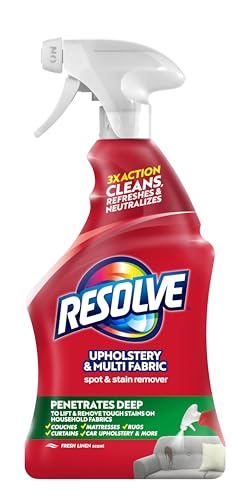
- fabric mold remover spray for couch sofa
- mold and mildew stain remover wood furniture
- microfiber cloths for mildew cleaning furniture
- stiff nylon scrub brush for mildew on wood furniture


Before You Start
Assess the furniture type and finish. Water-based cleaners are gentler on wood but можуть raise grain on some surfaces; solvents can discolor certain finishes. Always ventilate the room and wear gloves. For porous fabrics, spot test in a hidden area to confirm colorfastness. Plan for a thorough drying period, typically 24 to 48 hours depending on humidity and airflow. Important: if mildew has penetrated deep into cushions or structural wood, professional restoration may be needed.
Step-By-Step: How To Clean Mildew Off Furniture
- Move the piece to a well-ventilated area and remove any removable cushions or textiles if safe to do so.
- Vacuum the surface with a gentle setting to lift loose mold spores from fabrics and crevices.
- For wood surfaces, apply a mold and mildew stain remover wood furniture following the product directions; let it sit as recommended.
- Wipe the treated area with a damp microfiber cloth to remove residue, then dry with a clean, dry cloth.
- On fabric upholstery, spray a fabric mold remover spray for couch sofa or suitable mildew remover and blot, not rub, to avoid pushing mold deeper.
- Lightly scrub wood edges with a stiff nylon scrub brush for mildew on wood furniture to lift ingrained spots; avoid excessive scrubbing that could abrade finishes.
- Rinse and wipe again to remove any cleaner residue. Repeat as needed on stubborn patches.
- Allow the furniture to dry completely in a warm, dry area with good airflow or a dehumidified room.
- Reassemble cushions and textiles once fully dry. Consider applying a fabric protector to prevent future mold growth if appropriate for the material.
Troubleshooting
| Symptom | Likely Cause | Fix | Prevention |
|---|---|---|---|
| Persistent odor after cleaning | Moisture remaining in fabric | Increase drying time; use a fan or dehumidifier | Ensure thorough drying before use |
| Color fading or staining on wood | Harsh cleaner or scrubbing | Switch to a milder product and test first; gentle scrubbing | Always test on hidden area first |
| Mold returns within days | Underlying moisture source | Address humidity; repair leaks; treat again | Control environment with ventilation |
| Fabric fiber damage after cleaning | Aggressive scrubbing or solvent use | Switch to softer methods and milder cleaners | Follow product directions closely |
Common Mistakes
- Using bleach on fabrics or finished wood, which can cause discoloration
- Over-wetting upholstery, leading to hidden mildew beneath seams
- Skipping a spot test on delicate finishes
- Rushing the drying process, which invites regrowth
Tips For Best Results
- Work in sections to prevent recontamination and to keep track of treated areas.
- Pair cleaners with microfiber cloths for effective lift and quick dry times.
- Use a fan or dehumidifier to speed moisture removal, especially in humid climates.
- Store cleansers in a cool, ventilated area away from children and pets.
- For fabrics, consider a fabric-safe mildew shield after cleaning, if compatible with the material.
Call A Professional
Stop and call a professional if mildew covers large surface areas, furniture shows structural damage, or there is persistent odor despite repeated cleaning. Seek urgent help if you notice signs of widespread mold in the room, health concerns like coughing or allergic reactions, or if the furniture contains antique finishes that require specialist care.
FAQ
Can I use household bleach to remove mildew from furniture?
Bleach can damage some fabrics and finishes. Use milder, fabric-safe products and test a hidden area first.
Is mildew on wood furniture dangerous?
Most mildew is a surface issue, but prolonged exposure and moisture can cause wood deterioration. Address moisture sources.
How long should furniture dry after cleaning?
Dry times vary, but plan at least 24 hours in a well-ventilated space; longer for dense fabrics or high humidity.
Will mildew return after cleaning?
It may return if moisture remains or if the environment stays humid. Control humidity and re-clean as needed.
Are there eco-friendly mildew cleaners?
Yes, many milder, plant-based formulas are available that are safe for upholstery and wood when used as directed.
Buying Guide
Choosing the right products to prevent and remove mildew involves considering surface type, material sensitivity, and room environment. This guide highlights key buying factors to help consumers select effective solutions and sustain clean furniture.
- <bSize and coverage: Look for products formulated for both wood and fabric and that cover larger surface areas to minimize repeated applications.
- <bNoise level: If using a spray with a mist, noise is usually not a concern, but consider a quiet bottle sprayer for living spaces.
- <bEnergy efficiency: Not directly applicable to sprays, but choosing products with low volatile organic compounds (VOCs) reduces indoor emissions.
- <bControls: Simple spray-and-wipe formulations with clear directions reduce the risk of overuse.
- <bPlacement: Store cleaners away from heat sources and out of reach of children and pets; keep them in ventilated areas to minimize fumes.
When selecting, compare how the product targets mildew in fabrics versus wood, and read labels for the recommended surface compatibility. Consider multi-surface products for mixed-material furniture and look for products that provide both cleaning and odor control. Is a combined approach best for your home environment, or do you prefer separate fabric and wood solutions for precision?