Metal window frames add durability and a modern look to homes, but they require regular cleaning to prevent grime buildup, corrosion, and dull finishes. This guide covers practical, step-by-step methods using common tools and purpose-built cleaners to restore shine without harming the framing material.
Readers will find a concise approach to cleaning aluminum, steel, and other metal frames, with safe techniques for different levels of dirt. The steps emphasize efficiency, surface protection, and streak-free results for American homes.
Quick Answer
Clean metal window frames in three steps: remove loose dust, wash with a mild cleaning solution, and dry with a lint-free cloth or squeegee. For tough grime, use a non-scratch scrubber, then rinse and buff to a streak-free finish.
What You’ll Need
- Aluminum window frame cleaning brush nylon bristles
- Extension pole window cleaning kit for hard-to-reach frames
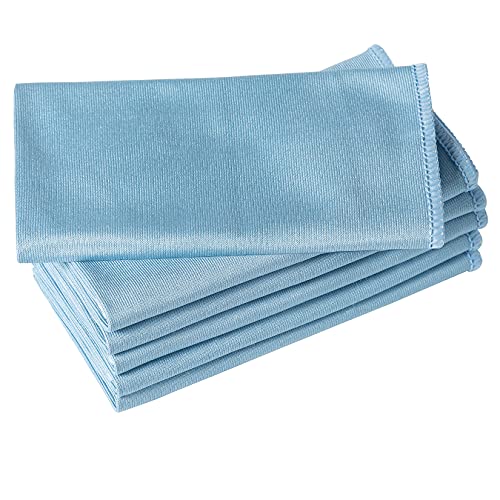
- Microfiber cleaning cloth for metal window frames
- Non-scratch sponge scrubber for metal surfaces
- Streak-free window squeegee with adjustable head


Before You Start
Prepare the area by laying down a drop cloth or towels to catch drips. Test cleaners on a small, inconspicuous area to ensure no discoloration. Work in a shaded area or during cooler parts of the day to prevent rapid drying and streaks. Wear gloves if you have sensitive skin or use strong cleaners. Plan for the project to take about 20–40 minutes per typical house window, depending on frame size and dirt level.
Step-By-Step: How To Clean Metal Window Frames
- Remove loose dust and cobwebs with a dry brush or microfiber cloth, focusing on corners and crevices.
- Prepare a cleaning solution using warm water and a mild dish soap or a metal-safe cleaner. Avoid abrasive chemicals that could tarnish the finish.
- Dampen the aluminum window frame with the solution using a microfiber cloth, then gently scrub with a non-scratch sponge scrubber for metal surfaces.
- For hard-to-reach areas, attach the extension pole window cleaning kit for hard-to-reach frames and scrub from top to bottom to prevent drips.
- Rinse the frame with clean water by wiping with a damp cloth or using a damp sponge to remove soap residue.
- Use a streak-free window squeegee with adjustable head to remove excess water from flat surfaces, working in smooth, overlapping strokes.
- Dry the frame thoroughly with a microfiber cleaning cloth for metal window frames, paying attention to seals and joints to prevent moisture buildup.
- Inspect for remaining residue. If needed, repeat the cleaning steps on stubborn spots and buff dry to a shine.
- Optional protective step: wipe with a dedicated metal polish or a light, non-greasy conditioner to enhance luster, following product directions.
- Clean the glazing beads and screens separately using the same methods, ensuring no cleaner remains on metal joints.
- Dispose of used cloths responsibly and store tools in a dry area after drying completely.
- Schedule periodic cleanings every 3–6 months, or sooner for coastal homes with higher salt exposure.
Troubleshooting
| Symptom | Likely Cause | Fix | Prevention |
|---|---|---|---|
| Streaks after cleaning | Drying too slowly or soap residue | Wipe with a dry microfiber cloth; re-wipe with a damp cloth and dry again | Rinse thoroughly; dry promptly |
| Scratches appear on frame | Abrasive cleaners or rough cloth | Switch to non-abrasive cleaners and use a soft brush | Test on hidden area first; use proper tools |
| Discoloration on metal | Harsh cleaners or old grime buildup | Use a metal-safe cleaner and a gentle scrubber | Regular cleaning to prevent buildup |
| Water spots persist | Hard water minerals | Dry promptly; buff with microfiber; consider distilled water for final rinse | Wipe as soon as cleaning completes |
Common Mistakes
- Using abrasive pads that scratch the frame finish
- Letting soap sit on metal for extended periods
- Neglecting corners and seals where grime collects
- Using high-pressure sprays directly on frames that could loosen seals
Tips For Best Results
- Work from the top down to manage drips effectively.
- Combine an extension pole with a microfiber cloth for efficiency on tall windows.
- Choose a streak-free squeegee with adjustable head for variable frame angles.
- Use a dedicated metal-safe cleaner to minimize risk of dulling or discoloration.
- For very dirty frames, allow the cleaner to dwell for a minute before scrubbing.
Call A Professional
Consider consulting a professional if frames are deeply corroded, painted over, or if cleaning could affect sensitive glazing or seals. Stop and call a pro if you notice: cracked seals, warped frame sections, or persistent rust that simple cleaning cannot address.
FAQ
What’s the best cleaner for metal window frames?
A mild dish soap solution or a metal-safe cleaner works well on most aluminum or steel frames.
Can I use vinegar on metal window frames?
Vinegar can be used on some metal frames but test first; avoid prolonged exposure on aluminum surfaces.
How do I remove hard water stains from frames?
Wipe with a vinegar solution or a mineral deposit remover designed for metal, then rinse and dry thoroughly.
How often should metal window frames be cleaned?
Most frames benefit from cleaning every 3–6 months, with more frequent cleaning in harsh climates or coastal areas.
Buying Guide
When choosing cleaning tools for metal window frames, consider size, ease of use, and surface compatibility. Look for tools that minimize risk to the frame while maximizing reach and efficiency. A well-rounded kit may include an extension pole, a soft brush, a microfiber cloth, a non-scratch scrubber, and a streak-free squeegee. Evaluate how comfortable the handle is, how easily tools assemble, and whether the kit suits interior and exterior frames. ENERGY, noise, and maintenance are less about the tools themselves and more about choosing durable, metal-safe products that withstand regular cleaning without dulling the frame’s finish.