Metal tables add modern flair and durability to kitchens, patios, and offices, but keeping their surface spotless requires the right cleaners and technique. This guide walks American readers through a practical, step-by-step process to restore shine while protecting the metal finish.
Quick Answer
For most metal tables, start with a mild cleaner and a soft microfiber cloth. Rinse or wipe away residue, then buff with a dry cloth. For stubborn spots, switch to a non-abrasive stainless steel polish and avoid harsh scrubs that scratch the surface.
What You’ll Need
- Stainless steel cleaner spray 24 oz
- Microfiber cloths for metal polishing 12×16 inches
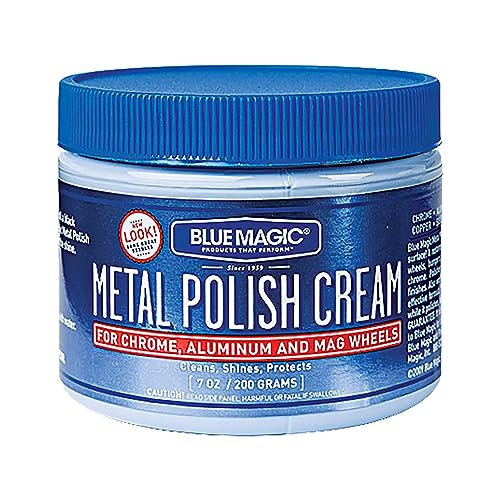
- Non-abrasive stainless steel metal polish for furniture
- Aluminum outdoor furniture cleaner spray 24 oz
- Citric acid metal cleaner wipes for stainless steel table


Before You Start
Assess the table’s surface for scratches, rust spots, or dullness. Test any cleaner in an inconspicuous area first to ensure compatibility. Work in a well-ventilated area and use protective gloves if you have sensitive skin. For outdoor aluminum furniture, avoid products labeled for harsher indoor metals unless they are explicitly compatible. Budget a cleaning session of about 20–40 minutes for typical surfaces.
Caution: Do not use abrasive pads, chlorine-based cleaners, or steel wool on polished or brushed metal finishes, as these can scratch or pit the surface. If you notice chipping or corrosion, address it promptly to prevent widespread damage.
Step-By-Step: How To Clean A Metal Table
- Remove loose debris with a dry microfiber cloth to prevent scratching during cleaning.
- Spray a light mist of stainless steel cleaner spray across a small area, or apply with a damp microfiber cloth.
- Wipe in the direction of the grain or along the smoothest surface to minimize streaks.
- Rinse the cloth with clean water and wipe again to remove cleaner residue.
- Dry immediately with a dry microfiber cloth to prevent water spots and mineral buildup.
- For stubborn fingerprints or smudges, apply a small amount of non-abrasive stainless steel metal polish for furniture and buff gently.
- Avoid over-application; use only a light film to protect the finish and prevent streaks.
- If the table is outdoors or exposed to the elements, use aluminum outdoor furniture cleaner spray as needed, following product directions.
- For consistent maintenance, repeat cleaning every 1–2 weeks or after heavy use.
- Use citric acid metal cleaner wipes for stainless steel table for quick touch-ups on tough spots, then buff dry.
- Store cleaners in a cool, dry place away from direct sunlight to preserve effectiveness.
- Inspect for streaks or dullness after drying and apply a thin final buff if needed.
Troubleshooting
| Symptom | Likely Cause | Fix | Prevention |
|---|---|---|---|
| Streaks after cleaning | Cleaner residue or water spots | Re-wipe with a clean, dry microfiber cloth | Wipe in single direction and dry immediately |
| Scratches or dull spots | Using abrasive tools or harsh cleaners | Switch to non-abrasive polish; avoid steel wool | Use soft cloths and mild cleaners only |
| Pitting or corrosion on outdoor metal | Exposure to moisture and salt; incompatible cleaners | Apply appropriate outdoor-safe cleaner and polish; consider protective coating | Wipe moisture promptly; clean regularly |
| Persistent fingerprints | Oily residues or skin oils | Clean with appropriate cleaner, then polish | Wipe after use in high-touch areas |
Common Mistakes
- Using abrasive pads or metal brushes that scratch finishes
- Overusing cleaner, creating buildup over time
- Neglecting to dry the surface, leading to water spots
- Applying polish in thick layers that leave residue
These missteps can dull the look of the metal and shorten its lifespan. A light, consistent approach yields better results over time.
Tips For Best Results
- Clean small sections at a time to maintain control and avoid drips.
- Always follow product directions, especially for outdoor cleaners with different formulations.
- Use color- and finish-safe products to preserve the metal’s appearance.
- Keep a dedicated microfiber cloths set for metal to avoid cross-contamination with other finishes.
- Consider a light protective spray or coating after polishing for added durability.
Call A Professional
Seek professional help if the table exhibits deep rusting, pitting, or coating failure beyond routine cleaning. Stop using aggressive cleaners or power tools on damaged areas, as this can worsen the problem and affect structural integrity. If the metal is an heirloom or highly valued piece, professional refinishing may preserve its value and finish.
FAQ
Can I use dish soap on a metal table?
Yes, a mild dish soap diluted in water can be effective for routine cleaning when paired with a soft microfiber cloth.
Is a wax or sealant necessary after cleaning?
Optional but helpful; a light protective coating can reduce fingerprints and corrosion on certain metals.
How often should I polish a metal table?
For high-traffic areas, every 1–3 months; otherwise, every 4–6 months depending on finish and exposure.
Can I use the same cleaner on aluminum and stainless steel?
Not always; check the product label for metal compatibility, especially for outdoor aluminum surfaces.
What should I do about rust spots?
Address promptly with a rust remover compatible with the table’s finish and follow up with polish and protection.
Buying Guide
Choosing the right tools and cleaners for a metal table depends on finish, exposure, and maintenance goals. Consider the following factors to optimize cleaning results and extend life.
- Size and surface area: Larger tables benefit from spray cleaners with even coverage and multiple microfiber cloths.
- Noise level: Cleaning sprays and cloths are quiet; avoid loud power cleaners that can cause heat damage or scratches.
- Energy efficiency: Not a major factor for manual cleaning; choose ready-to-use products to minimize waste and unnecessary energy use.
- Controls and application: Look for spray bottles and wipes that provide controlled, residue-free application.
- Placement and environment: Outdoor tables may require weather-resistant cleaners and periodic re-sealing; indoor surfaces tolerate gentler formulations.
- Finish compatibility: Verify that cleaners are safe for the specific metal (stainless steel, aluminum, or brushed finishes) to prevent dulling or corrosion.
- Maintenance frequency: Adjust based on use and exposure; high-touch areas may need more frequent cleaning.
For most households, a combination of stainless steel cleaner spray, microfiber cloths, and a non-abrasive stainless steel polish provides a balanced, effective approach. Always test cleaners on a hidden area if unsure about compatibility.