Metal files are essential for refining edges and shaping metal parts, but they lose efficiency when clogged with metal shavings and debris. Regular cleaning extends their life and keeps workpieces smooth. This guide walks through practical methods and the right tools to restore performance without damaging the teeth or grit on your files.
Following a straightforward routine can prevent rust and preserve cutting action. The steps below emphasize safe handling, compatible materials, and quick maintenance between projects to keep your workshop productive.
Quick Answer
Best overall method: Use a wire brush to remove loose shavings, then a file cleaning stone to lift embedded material. Finish with a light application of lubricant oil and wipe clean. For rust, emery cloth can help without dulling teeth.
What You’ll Need
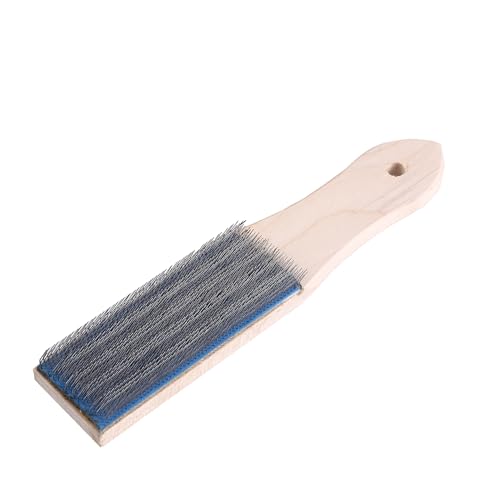
- Carding brush for rasps and files
- Wire brush for cleaning metal files
- Emery cloth for cleaning rust off metal files
- File cleaning stone for rasps and files
- Lubricant oil for metal files cleaning and maintenance


Before You Start
Clear the workspace and place files on a non-slip mat. Wear safety glasses to protect eyes from flying particles. If a file is heavily corroded, consider replacing it rather than forcing cleaning. Always work with the file disengaged from power tools and clamps to avoid accidents. Allow any cleaning solution to fully dry before storage, and keep oils away from heat sources.
Step-By-Step: How To Clean Metal Files
- Inspect the file for bent tangs or damaged teeth; if damaged, stop and replace.
- Brush away loose debris with a wire brush for cleaning metal files to expose clogged areas.
- Switch to a carding brush for rasps and files to lift embedded material between teeth.
- Gently rub the file with emery cloth for cleaning rust off metal files to remove surface corrosion.
- Use a file cleaning stone for rasps and files to lift stubborn particles from grooves.
- Wipe the file clean with a lint-free cloth; avoid compressing teeth during wiping.
- Apply a thin film of lubricant oil for metal files cleaning and maintenance to prevent rust.
- Wipe off any excess oil and store the file in a dry, cool place.
- If rust recurs, repeat the process or consider dedicated rust-inhibiting storage.
- Label tools and maintain a cleaning schedule to ensure consistent performance.
- Periodically inspect files for wear and replace when cutting action diminishes.
- Document your routine so it becomes a repeatable maintenance habit.
Troubleshooting
| Symptom | Likely Cause | Fix | Prevention |
|---|---|---|---|
| Teeth dull quickly | Old or worn teeth; improper cleaning | Use proper tools and avoid aggressive rubbing | Clean after every project; store dry |
| Persistent rust | Moisture exposure; no protective oil | Apply lubricant after cleaning; dry thoroughly | Store in a rust-preventive environment |
| Grit remains between teeth | Improper cleaning technique | Alternate between wire brush and cleaning stone | Regular, gentle cleaning routine |
| File hard to move in handle | Hardened lubricant or debris constraining movement | Wipe and re-lubricate, test movement | Keep tools clean and dry |
Common Mistakes
- Over-wrapping or bending the file when cleaning; treat teeth with care.
- Using metal brushes on coated or delicate files that may wear down grit.
- Skipping drying after cleaning, which invites rust formation.
- Ignoring heavy corrosion; attempting to resurrect severely damaged files is often futile.
Tips For Best Results
- Clean files immediately after use to prevent embedded chips from hardening.
- Keep a dedicated cleaning kit with brushes, stone, cloth, and oil for quick maintenance.
- Store files in a dry, low-humidity area or use desiccants in storage drawers.
- Test a cleaned file on a scrap piece of metal to confirm performance before resuming work.
Call A Professional
Contact a professional if a file shows extensive chipping, cracks, or severe rust that cannot be mitigated through standard cleaning. Do not attempt to restore damaged teeth with improvised tools, as this can compromise safety and work quality. If unsure about the file’s integrity, replacement is the safer option.
FAQ
Can I clean metal files with water?
Water can promote rust; use a dry method or light oil after cleaning and ensure complete drying.
How often should metal files be cleaned?
Clean after each project or whenever debris buildup becomes noticeable to maintain efficiency.
Are rusty files safe to use after cleaning?
Rust can affect performance; if rust cannot be fully removed or teeth are compromised, replace the file.
What type of oil is best for lubrication?
Light mineral oil or a dedicated tool oil works well; avoid heavy lubricants that can attract dust.
Buying Guide
When selecting metal files and cleaning supplies, consider size, grit, and coating. For cleaning, a set of dedicated tools (carding brush, wire brush, emery cloth, cleaning stone) helps cover each cleaning stage. Look for rust resistance in storage, and choose a light lubrication option to minimize residue. Factors such as file material (high-carbon steel vs. low-carbon) influence both performance and corrosion resistance. A compact cleaning kit can fit within a tool chest for quick access during projects. Compatibility with rasps and standard metal files ensures versatile use across workshop tasks.