Luxury vinyl tile (LVT) plank flooring combines durability with a realistic appearance, but it still benefits from a regular, careful cleaning routine. This guide outlines safe methods and practical tools to keep LVT looking its best without damage. The focus is on effective soil removal, residue prevention, and long-term care for high-traffic areas.
Whether the space is a kitchen, living area, or hallway, the right approach minimizes wear and preserves the floor’s appearance. The steps below emphasize gentle cleaning techniques, routine maintenance, and when to escalate to more thorough methods.
Quick Answer
Best overall method: Use a microfiber mop with a neutral cleaner and a light sweep or vacuum on hard-floor setting. Avoid abrasive pads and harsh chemicals. For stubborn spots, a soft brush can help, followed by a wipe with a damp cloth and a quick dry. Reserve steam mops for manufacturer-approved scenarios, and never use excessive water.
What You’ll Need
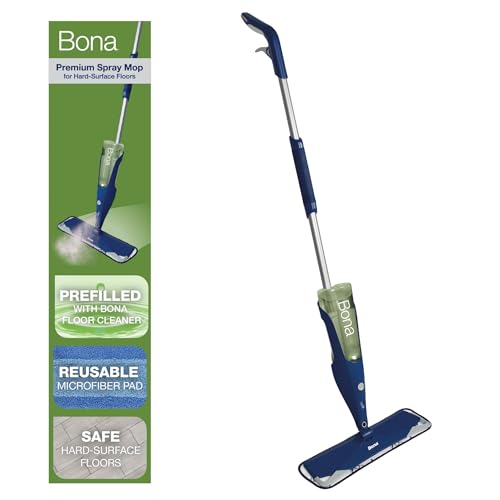
- Microfiber mop for luxury vinyl tile flooring
- Vacuum cleaner hard floor setting for LVT (use without a beater bar)
- Scrub brush attachment for vinyl plank floors (for prepared spot cleaning)
- Steam mop for luxury vinyl tile (only if approved by the flooring manufacturer)
- Two-bucket mopping system vinyl plank flooring (optional for larger spaces)


Before You Start
Before cleaning, remove loose debris with a dry sweep or vacuum on the hard-floor setting to prevent scratching. Check the floor’s care instructions from the manufacturer to confirm whether steam cleaning or water exposure is restricted. Use neutral pH cleaners and avoid wax-based products that can leave a dull film. For high-traffic rooms, schedule routine maintenance to prevent dirt buildup that requires more aggressive cleaning.
Step-By-Step: How To Clean LVT Plank Flooring
- Prepare the area: Remove rugs and furniture if possible to give full access to the floor.
- Dry clean first: Use a microfiber broom or vacuum on the hard-floor setting to collect dust and grit.
- Mix a neutral cleaner: Dilute a pH-neutral cleaner as directed by the manufacturer. Avoid ammonia, bleach, or vinegar in high concentrations.
- Mop with care: Attach the microfiber mop, dampen (not soaking wet), and run in straight lines to minimize water pooling.
- Spot-treat stains: For sticky spots, use a small amount of cleaner on a soft cloth and gently rub. For stubborn spots, a scrub brush attachment for vinyl plank floors can help, then wipe clean.
- Rinse if required: If the cleaner requires rinsing, go over the area with a clean damp mop to remove any residue.
- Dry the floor: Allow the surface to air-dry or use a dry microfiber cloth in areas prone to moisture to prevent water seepage.
- Deep clean periodically: For larger spaces, a two-bucket mopping system vinyl plank flooring can help separate clean and dirty rinse water, reducing cross-contamination.
- Avoid excessive moisture: Wipe up spills promptly and never leave standing water on LVT, as prolonged moisture can affect adhesive edges.
- Reinstall items: Once the floor is completely dry, reintroduce furniture and rugs carefully to avoid trapping moisture underneath.
- Optional steam test: If using a steam mop for luxury vinyl tile, test a small inconspicuous area first and follow manufacturer guidelines. Do not use steam on textures that may lift or warp.
Troubleshooting
| Symptom | Likely Cause | Fix | Prevention |
|---|---|---|---|
| Hazy or dull film after cleaning | Residue from cleaner or hard water mineral buildup | Re-wipe with a clean damp microfiber mop using less cleaner | Use a neutral cleaner and distilled water when possible |
| Scratches visible after cleaning | Grit trapped in the mop or vacuum with a beater bar | Switch to a soft brush or microfiber attachment; ensure no grit remains | Dry sweep first; use vacuum without rotating brushes |
| Warped edges or corners | Excessive moisture or spills left to sit | Dry the area promptly; avoid pooling water | Clean with minimal water; wipe spills immediately |
| Sticky surface after cleaning | Sticky cleaner residue | Rinse area with a clean damp mop | Use a neutral pH cleaner and follow dilution instructions |
Common Mistakes
- Using harsh chemicals like bleach, ammonia, or acidic cleaners on LVT
- Dropping excessive water onto the floor, especially near edges or seams
- Using stiff bristles or abrasive pads that scratch the surface
- Relying on steam mops without manufacturer approval for LVT
- Neglecting to dry the floor after cleaning, leading to moisture buildup
Tips For Best Results
- Establish a regular cleaning schedule to prevent dirt buildup that needs stronger products
- Use a dry vacuum or broom before mopping to minimize moisture and scratching
- Test any cleaner in an inconspicuous area before full-floor use
- Choose a microfiber mop with a washable pad to maintain effectiveness
- Mark high-traffic zones with a color-coded mat or rug to limit mud and grit
Call A Professional
Consider contacting a flooring professional if any of the following occur: persistent staining that refuses to lift, visible warping or edge separation, significant scratches, or if the floor feels permanently slick after cleaning. Signs of substrate damage, bubbling, or uneven surfaces also warrant expert evaluation.
FAQ
Can I use vinegar to clean LVT planks?
Vinegar is not recommended in high concentrations for LVT. Use a neutral pH cleaner instead to avoid dulling the finish.
Is a steam mop safe for all LVT floors?
No. Only use a steam mop if the manufacturer approves it for your specific LVT product.
How often should I deep clean LVT floors?
A deep clean every few months, depending on foot traffic, helps remove buildup and restore shine. Follow the manufacturer’s guidance for frequency.
What should I do about spills?
Blot spills immediately with a dry cloth and wipe with a damp microfiber mop if needed.
Can I use a wet mop on LVT?
A damp mop is acceptable when using a neutral cleaner and ensuring the mop is not soaking wet.
Is a two-bucket system necessary?
Not always, but it can help in large areas by keeping dirty water separate from clean rinse water for better results.
Buying Guide
When selecting tools and cleaners for LVT plank flooring, buyers should consider size, noise, and compatibility with the flooring finish. Key factors include:
- Size and coverage: Choose tools suited to room dimensions; larger spaces benefit from extended reach mops or two-bucket systems.
- Noise level: Electric vacuums and mops vary in sound; opt for models with lower decibel ratings for living areas.
- Energy efficiency: Look for energy-efficient vacuums and steam devices that balance performance with power use.
- Controls and convenience: Simple spray, trigger-free operation, and easy pad replacements save time.
- Placement and storage: Lightweight, cordless designs are easier to maneuver around furniture and corner spots.
In practice, most homes benefit from a microfiber mop, a vacuum with a hard floor setting, and a soft-bristle attachment for spot cleaning. For large kitchens or open-plan spaces, a two-bucket system adds efficiency, while a steam mop should be reserved for manufacturer-approved scenarios. Always follow the floor manufacturer’s care instructions to protect the finish and warranty.