Longboard wheels collect dirt, debris, and grime from every ride, which can affect grip, speed, and overall performance. A clean wheel system extends bearing life and keeps a ride smooth and predictable. This guide walks American riders through a practical, step-by-step process to refresh longboard wheels using common cleaning tools and safe methods.
The steps here emphasize accessibility and safety, so readers can maintain their setup at home, in a garage, or at a skatepark. The approach focuses on removing grime from wheels and associated components, preserving surface finishes, and avoiding harsh chemicals that could degrade polyurethane or bearings.
Quick Answer
What you’ll do: Remove wheels, scrub with a dedicated wheel cleaning brush, rinse with a non-toxic cleaner, dry thoroughly, and reinstall. Repeat every few weeks during heavy use or after riding in wet or sandy conditions. Keep bearings clean and spaced, so wheels roll freely and quietly.
What You’ll Need
- longboard wheel cleaning brush set
- polyurethane skateboard wheel cleaning brush
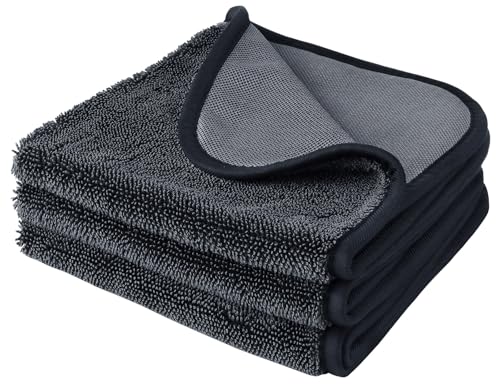
- microfiber towel set for longboard wheels
- non-toxic wheel cleaner spray for longboards
- bearing and wheel cleaning kit for longboards


Before You Start
Prepare a clean work area and gather your tools. Loosen and remove the trucks if you plan a thorough teardown, and protect surrounding surfaces with a towel. Never use corrosive cleaners or solvents on polyurethane wheels; these can degrade the wheel surface and bearings. Expect a full session to take about 20–40 minutes, depending on wheel count and condition.
Safety notes: work on a flat, stable surface; keep small parts organized; wear eye protection if you’re handling loose bearings. This process suits most standard longboard wheels but check your manufacturer’s recommendations for any wheel-specific cautions.
Step-By-Step: How To Clean Longboard Wheels
- Remove wheels from the trucks using a skate wrench or appropriate tool. This allows full access to the wheel surfaces and bearings.
- Inspect each wheel for embedded debris, flat spots, or cracks. Note any damage that may require replacement rather than cleaning.
- Apply a liberal coating of non-toxic wheel cleaner spray for longboards to the wheel faces. Let it sit for 15–30 seconds to loosen grime.
- Gently scrub with the polyurethane skateboard wheel cleaning brush, focusing on the tire surface and the inner bead where dirt gathers near the core.
- Rinse or wipe away loosened dirt with a microfiber towel set for longboard wheels. Use a fresh towel for each wheel to avoid transferring grease.
- If bearings are included in your cleaning kit, carefully remove bearings from the wheel using the kit’s tool, then clean them separately according to the kit instructions. Dry bearings completely before reinstalling.
- Reinstall wheels and secure the trucks, ensuring wheels spin freely without rubbing. Spin each wheel by hand to check for smooth rotation and any residual resistance.
- Test ride on a safe surface to confirm improved roll and reduced noise. If squeaking persists, re-lubricate bearings following the bearing kit directions and re-check tightness.
Troubleshooting
| Symptom | Likely Cause | Fix | Prevention |
|---|---|---|---|
| Wheels feel gritty after cleaning | Dirt remained in bead or bearing race | Re-clean with brush and microfiber towels; re-check bearings | Clean regularly and avoid burying dirt when reinstalling |
| Bearings seize or spin stiffly | Moisture or residue in bearings | Dry thoroughly; use bearing cleaning kit; re-lubricate if needed | Keep bearings dry; avoid cleaning with water above recommended guidelines |
| Uneven wheel wear | Wheel mounting misalignment or loose trucks | Re-seat wheels; tighten trucks to spec | Check hardware after each cleaning |
| Squeaking after reassembly | Lubricant insufficient or inappropriate | Apply proper bearing or wheel lubricant per kit | Test in a safe area and adjust as needed |
Common Mistakes
- Using harsh chemicals that degrade polyurethane
- Leaving moisture on bearings or wheels for extended periods
- Rushing the dry-time and reassembling wet parts
- Neglecting to inspect wheels for cracks or core damage
Taking a careful, step-by-step approach avoids common issues and preserves wheel life. A methodical routine can reduce friction and extend the time between full wheel replacements.
Tips For Best Results
- Schedule cleaning after riding in sand or mud to reduce abrasive wear on bearings and wheels.
- Pair cleaning with a quick wipe-down of the entire setup to maintain grip and performance.
- Rotate wheels occasionally to promote even wear across all four wheels.
- Keep a dedicated set of microfiber towels for wheel cleaning to prevent cross-contamination with other gear.
- Label bearings and wheels to simplify reassembly and ensure correct pairing if you service multiple boards.
Call A Professional
Consider consulting a pro if you notice persistent grinding, unusual vibration, or damaged cores that cannot be safely addressed with at-home cleaning. Stop and seek professional help if any wheel shows cracks, severe flat spots, or if bearings are deeply damaged or corroded.
FAQ
How often should I clean longboard wheels?
Clean wheels every 2–6 weeks during heavy use, or after riding in dirty, sandy, or wet conditions. Adjust frequency based on riding terrain and visible grime.
Can I use water to rinse the wheels?
Minimal, quick rinsing with water is acceptable if followed by thorough drying. Prefer non-toxic wheel cleaners when possible.
Will cleaning wheels affect my bearings?
Proper cleaning protects bearings; ensure bearings dry completely and avoid moisture staying on metal parts.
Should I lubricate bearings after cleaning?
Yes, apply the recommended lubricant from your bearing kit. Do not over-lubricate, which can attract more dirt.
What if a wheel won’t spin freely after cleaning?
Check for trapped debris, ensure correct bearing seating, and verify axle and truck alignment. Re-clean if necessary.
Is it safe to use household cleaners?
Prefer dedicated non-toxic wheel cleaners; harsh household solvents can degrade wheel polymers and bearings.
Buying Guide
When choosing wheel-cleaning gear for longboards, consider size, material compatibility, and your riding environment. A compact longboard wheel cleaning brush set paired with a polyurethane skateboard wheel cleaning brush handles most grime, while a microfiber towel set for longboard wheels ensures lint-free drying. A non-toxic wheel cleaner spray for longboards protects finishes and bearings, and a bearing and wheel cleaning kit for longboards provides a complete maintenance solution. For best results, match tools to your wheel diameter and core type, and store cleaning supplies in a dedicated area to simplify routine maintenance.
Size and weight matter for portability, especially for riders who travel to parks or events. Noise level isn’t a primary factor in cleaning, but choose tools with soft bristles and non-abrasive towels to minimize wear. Energy efficiency is less relevant for manual cleaning, but reusable tools save money and waste. Look for kits with clearly labeled components and compatible brushes or pads for polyurethane wheels. Consider how you will store brushes, towels, and cleaners to keep your setup organized and ready for quick cleanups after rides.
Placement matters: keep supplies near your cleaning area but away from direct sunlight and moisture. A small, ventilated cabinet or bin can protect brushes and cleaners from dust while you perform maintenance. If you frequently share gear with others, label each kit to prevent cross-use and maintain hygiene. Finally, check reviews for durability and effectiveness, especially regarding brush stiffness and towel absorbency, to ensure long-term value.