Lint buildup in washing machines can reduce efficiency, cause odors, and even affect washing results. This guide explains practical steps to remove lint and maintain your appliance’s performance. By following simple routines, homeowners can keep the drum, filters, and hoses clear of lint and debris.
The process covers common lint sources, appropriate tools, and safe practices for typical residential laundry setups. It emphasizes non-technical solutions that can be completed with everyday household items and purpose-built brushes designed for appliance maintenance.
Quick Answer
Clear the lint trap or filter first, then clean the tub and surrounding components with targeted brushes. Rinse and repeat monthly to prevent buildup. Use a dedicated tub cleaning product if available, and inspect hoses for clogs.
What You’ll Need
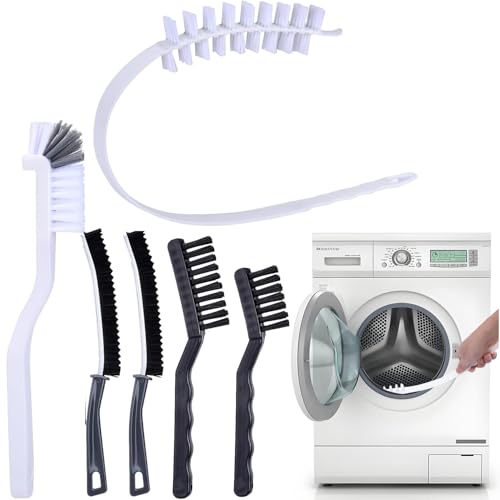
- washing machine lint filter brush
- washing machine filter cleaning brush
- washing machine tub cleaning brush
- washing machine drain hose cleaning tool
- appliance vent cleaning brush


Before You Start
Disconnect the washer from power and water supplies before any cleaning. If you have a top-load washer with a central agitator, open the lid and locate the lint filter or debris trap. For front-load models, locate the door seal and filter area. Never use harsh chemicals on seals or hoses, and always follow manufacturer instructions for cleaning products. Plan for 30–60 minutes, allowing time for thorough drying and air circulation.
Step-By-Step: How To Clean Lint From A Washing Machine
- Unplug and ready the machine; remove any laundry to access the lint filter or debris trap.
- Remove the lint filter if accessible; place it in a sink or basin for cleaning.
- Fill a basin with warm water and a gentle detergent; scrub the lint filter with a washing machine lint filter brush until lint loosens.
- Wipe the filter housing clean with a damp cloth to remove residue and any trapped lint.
- Inspect the tub edges and door seal; use a washing machine tub cleaning brush to dislodge lint and mineral deposits.
- Run an empty cycle with hot water and a tub cleaner or white vinegar to rinse lint from internal passages.
- For front-loaders, clean the drain pump filter if accessible; follow the manufacturer’s directions, using a washing machine drain hose cleaning tool if needed.
- Inspect hoses for lint or buildup near the connections; use a gentle brush to clear the exterior of hoses without bending or kinking them.
- Reassemble all components, plug the machine back in, and run a brief rinse cycle with no laundry to ensure clear passages.
- Perform a monthly lint check by repeating the steps to keep buildup minimal and maintain drainage efficiency.
- Document any recurring clogs or unusual odors; if lint persists, escalate to professional service to avoid potential damage.
Troubleshooting
| Symptom | Likely Cause | Fix | Prevention |
|---|---|---|---|
| Water drains slowly | Lint or debris clog in filter or hose | Clean filters and drain hose using the appropriate cleaning tool | Clean monthly; use a lint trap/basket if available |
| Unpleasant smell | Lingered lint and soap scum | Run hot cycle with tub cleaner; wipe seals | Leave door slightly ajar after cycles to air out |
| Lint on clothes after washing | Filter not capturing lint effectively | Clean or replace filter; ensure proper loading balance | Do not overload; separate lint-heavy items |
| Visible lint around drum edge | Accumulated debris in tub | Deep clean with tub cleaning brush and cleaner | Schedule quarterly tub cleaning |
Common Mistakes
- Using abrasive brushes on seals or gaskets, causing wear.
- Neglecting monthly lint checks, leading to hidden clogs.
- Rinsing with water only; skipping a tub cleaner cycle.
- Overtightening hose clamps; this can cause leaks when cleaning is finished.
Tips For Best Results
- Develop a routine: quick lint filter check after every few loads keeps buildup minimal.
- Place a lighted area nearby to better see lint and debris around edges.
- Use a dedicated tub cleaning product monthly to maintain drum cleanliness and odor control.
- Keep hoses clear of kinks; check external hose connections for leaks during cleaning.
- If your model lacks an accessible lint trap, rely on the tub brush and drain hose tool to clear passages.
Call A Professional
Consider contacting a pro if lint buildup recurs despite cleaning, if you notice standing water after cycles, or if hoses show signs of wear or leaks. Also seek professional help if you detect mold, persistent odors, or unusual noises during operation.
FAQ
Should I clean the lint filter after every wash?
Not every wash, but regular inspection and cleaning every few loads reduces buildup and improves performance.
What if my washer has no visible lint filter?
Use the tub cleaning brush on drum edges and inspect the drain pump area with a drain hose cleaning tool as needed.
Can I use bleach to clean the tub?
Bleach can damage seals; follow manufacturer guidelines and consider tub cleaners designed for the material of your drum.
How often should I run a tub cleaning cycle?
Most households benefit from a tub cleaning cycle once a month; adjust frequency based on usage and odors.
Are vent brushes necessary for washers?
Appliance vent cleaning brushes help with dryer systems; for washing machines, focus on lint filters, tubs, and hoses unless vents are part of a combined appliance setup.
Buying Guide
When selecting tools for cleaning lint from a washing machine, consider factors like tool compatibility with your model, handle grip, and bristle stiffness. A washing machine lint filter brush should fit around the filter cavity and be safe for the material in your machine. A washing machine tub cleaning brush needs a soft, non-abrasive head to avoid scratching. The washing machine drain hose cleaning tool should reach into curves and bends without damaging fittings. An appliance vent cleaning brush helps if the laundry setup shares venting pathways with other appliances, though its primary use is for dryers and vents. Look for multi-pack sets to cover different areas in one purchase. Consider noise and energy use as part of overall maintenance cost, and ensure compatibility with your region’s electrical standards. If you’re unsure about model-specific components, consult the user manual or contact the manufacturer for precise recommendations.