Light colored grout can brighten tiled spaces, but it also shows stains and discoloration more easily. This guide provides practical, step-by-step methods and practical product recommendations to restore and maintain clean grout without damaging adjacent tiles.
Readers will find a quick overview, a complete materials list derived from commonly available grout-cleaning tools, and safety notes to keep grout and tiles in good condition. The methods cover manual scrubbing, chemical whitening, and powered cleaning options to suit different budgets and spaces.
Quick Answer
Best overall approach: Start with a baking-soda-and-hydrogen-peroxide paste and a stiff nylon angled grout brush for spot cleaning. For tougher staining, consider a dedicated grout cleaning kit or a rotating brush machine. If you prefer a chemical option, a grout whitening pen can restore uniform color on light grout, while a steam cleaner with a grout attachment provides a gentler, chemical-free upgrade for regular maintenance.
What You’ll Need
- Angled grout brush with stiff nylon bristles for grout cleaning
- Grout whitening pen for light colored grout
- Steam cleaner with grout cleaning attachment
- Electric grout cleaner machine with rotating brush
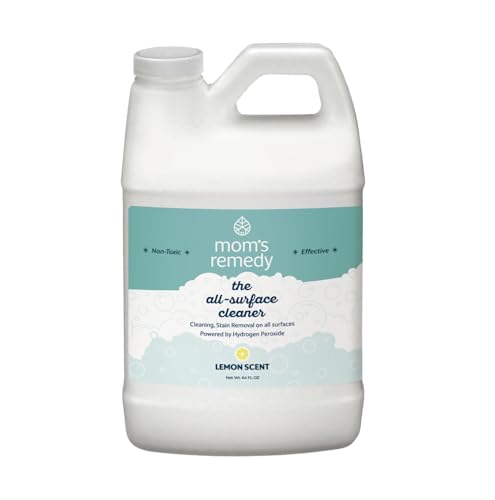
- Grout cleaning kit spray bottle baking soda hydrogen peroxide


Before You Start
Prepare the area by removing loose debris and protecting surrounding surfaces with plastic or towels. Test any cleaner on a small, inconspicuous grout area to ensure no discoloration. Work in small sections to prevent the solution from drying unevenly. Time estimates vary: light touch-ups may take 15–30 minutes, while deep cleaning can take 1–2 hours depending on grout width and tile layout. Never mix bleach with ammonia or acidic cleaners, as this creates dangerous fumes. Wear gloves and ensure good ventilation.
Step-By-Step: How To Clean Light Colored Grout
- Mix a paste of baking soda with hydrogen peroxide to form a slightly thick, spreadable consistency.
- Apply the paste directly to grout lines using a craft stick or spoon, focusing on stained sections.
- Let the paste sit for 5–10 minutes to penetrate grime, then scrub with the angled grout brush to lift dirt from between tiles.
- Rinse the area with warm water. Wipe excess moisture from the grout to reduce drying streaks.
- For persistent staining, repeat the paste treatment or switch to a grout cleaning kit spray bottle with baking soda and hydrogen peroxide solution, following directions on the bottle.
- When stains are lighter, a grout whitening pen can be used to color-match grout to its original shade. Follow the pen’s instructions for precise application.
- If choosing power tools, use a steam cleaner with grout cleaning attachment to loosen grime with steam, then finish with manual brushing for best results.
- Rinse thoroughly after cleaning to remove any residues. Dry the area to prevent new mold growth and to keep grout color even.
- Repeat cleaning on high-traffic or water-prone areas (shower, tub surround) every few months to maintain brightness.
- Inspect grout lines for cracks or crumbling. Repair damaged grout to prevent stain recurrence and water intrusion.
- For large tiled areas, consider setting a routine quarterly cleaning using a rotating brush machine to maintain consistency across the grout lines.
Troubleshooting
| Symptom | Likely Cause | Fix | Prevention |
|---|---|---|---|
| Grout color remains uneven after whitening | Previous sealant or sealant residue | Wipe with a mild cleaner and reapply whitening pen as directed | Test spot first; seal grout after cleaning |
| Streaks or residue after cleaning | Soap scum or insufficient rinse | Rinse thoroughly with warm water and dry area | Rinse with clean water after each cleaning session |
| Cracked or crumbling grout | Ageing grout or improper cleaning pressure | Regrout or reseal affected areas | Avoid aggressive brushes on fragile grout |
| Mold regrowth in grout lines | Moisture retention and lack of ventilation | Improve bathroom ventilation; use hydrogen-peroxide solution regularly | Keep area dry between uses |
Common Mistakes
- Using overly strong acids or bleach near colored grout, which can lighten or discolor it
- Over-wetting grout and letting cleaning solution sit too long, leading to seepage into the substrate
- Ignoring grout that looks clean but is actually harboring bacteria behind the surface
- Rushing the process in large areas without dividing into sections, causing uneven results
Tips For Best Results
- Test cleaners on a small grout area before full application
- Work in consistent, small sections to control moisture and drying times
- Prefer stiff nylon brushes over metal tools to avoid tile scratching
- Use the grout whitening pen only on light colored grout; darker grouts require different approaches
- Regular maintenance, such as monthly steam cleaning or rotating brush cleaning, helps prevent heavy buildup
Call A Professional
Consider a pro if grout is deeply cracked, mold-infested, or if water intrusion is visible behind grout lines. Signs to seek professional help include persistent dark staining after multiple cleaning cycles, extensive crumbling grout, or when tiles loosen or lift around grout lines.
FAQ
What is the best way to clean light colored grout without damaging tiles?
Use a baking-soda-and-hydrogen-peroxide paste with a stiff nylon angled brush, or a steam cleaner attachment for gentle yet effective cleaning.
Can I use bleach on light colored grout?
Bleach can whiten but may also bleach or damage color in some light grouts; test first and avoid prolonged exposure.
How often should grout be cleaned in showers?
Monthly maintenance is recommended, with deeper cleaning every 3–6 months depending on use and humidity.
Is a grout whitening pen permanent?
Whitening pens provide color restoration for light grout but may require reapplication after wear or staining.
Do I need special tools for large areas?
Yes, a rotating-brush electric grout cleaner or a steam-cleaning attachment can help manage large tiled surfaces efficiently.
Is sealing grout necessary after cleaning?
Sealing helps prevent stains and moisture ingress; reseal after grout has fully cured from cleaning and drying.
What safety steps are essential when cleaning grout?
Wear gloves, ensure good ventilation, and avoid mixing cleaners that produce hazardous fumes.
Buying Guide
When selecting tools and products for cleaning light colored grout, consider size, power, and ease of use. A dedicated grout cleaning kit with a baking soda/hydrogen peroxide solution is ideal for DIY routines, while an angled grout brush provides precise control for manual scrubbing. For larger areas, an electric grout cleaner machine with a rotating brush or a steam cleaner with a grout attachment increases efficiency. Look for tools with ergonomic handles and replaceable brush heads to extend usability.
Key buying factors include size and layout of the tiled area, noise level if using a machine, energy efficiency of electric tools, control options (manual vs. powered), and placement of tiles in bathrooms or kitchens. Energy-efficient steam cleaners with grout attachments typically provide quiet, chemical-free cleaning for routine maintenance. Consider a grout whitening pen for quick touch-ups on light grout and a spray bottle kit for spot cleaning. Finally, plan for an optional professional service if grout damage is extensive or if a deep, mold-impacted cleaning is required.