Leather furniture, jackets, and accessories add timeless style, but they require gentle care to maintain their look and longevity. This guide outlines practical steps to clean and refresh leather using common tools and purpose-made products. By following a careful routine, owners can remove stains, revive the finish, and extend the life of their leather items.
Quick Answer
Clean leather with a soft approach: remove surface dust, apply a dedicated leather cleaner or saddle soap sparingly, condition to restore moisture, and finish with a microfiber cloth to buff. For stubborn stains, repeat with gentle pressure and avoid harsh chemicals. Always test in an inconspicuous area first.
What You’ll Need
- Leather cleaning kit with brush and conditioner
- Saddle soap leather cleaner sponge set
- Microfiber cloths for leather cleaning kit
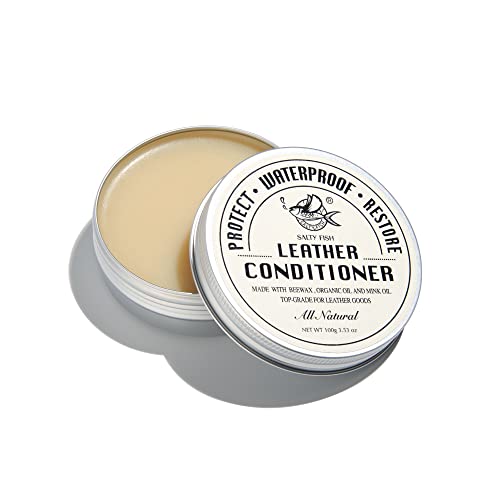
- Leather conditioner balm with applicator sponge
- Leather cleaning spray and microfiber cloth bundle


Before You Start
Prepare a clean, well-lit workspace and lay down a soft, lint-free cover to protect surrounding surfaces. Patch test any product on a hidden area first to ensure colorfastness and avoid unintended wear. Work in a cool, dry environment to prevent moisture from penetrating deeply. Estimate a cleaning session of 30–60 minutes, plus drying time for conditioned leather.
Step-By-Step: How To Clean Leather
- Remove loose dust with a dry microfiber cloth, moving in circular motions along the grain.
- Apply a small amount of leather cleaner or saddle soap to a damp sponge or cloth, testing first in an inconspicuous spot.
- Gently work the product into the surface using light, circular motions; avoid scrubbing hard where the finish might wear.
- Wipe away residue with a clean, damp microfiber cloth, then dry with another soft cloth.
- Apply a leather conditioner balm using the included applicator sponge, distributing evenly across the surface.
- Allow the conditioner to absorb for 10–20 minutes, then buff with a dry microfiber cloth to restore shine.
- For areas with stubborn marks, repeat the cleaning step with extra patience and minimal moisture.
- Inspect seams and stitching; if dryness or cracking appears, apply a small amount of conditioner to these edges as well.
- Let the leather air-dry completely before use, avoiding direct heat sources.
- Re-test the finish on a hidden spot after drying to ensure an even appearance.
- Store leather items away from direct sunlight and heat to prevent fading and drying out.
- Schedule routine cleanings every 3–6 months, or more often for high-use items.
Troubleshooting
| Symptom | Likely Cause | Fix | Prevention |
|---|---|---|---|
| Sticky residue after cleaning | Excess cleaner or improper wiping | Wipe again with a clean, damp cloth and dry thoroughly | Use sparing amounts and test first |
| Dry, cracked feel after cleaning | Over-cleaning or low moisture | Apply conditioner balm evenly and allow full absorption | Condition regularly; avoid harsh chemicals |
| Water stains or whiteness | Water damage or improper drying | Blot with a dry cloth; re-clean and condition if needed | Keep leather away from excess moisture |
| Color transfer on light fabrics | Color risk from dye transfer | Test dyes in a hidden area and use milder products | Avoid saturating the surface during cleaning |
Common Mistakes
- Using household cleaners or soaps not designed for leather
- Over-wetting the surface or applying too much conditioner at once
- Skipping a patch test or rushing through the process
- Cleaning when leather is hot, sunny, or humid, which can worsen damage
Tips For Best Results
- Schedule cleanings before heavy use periods or seasonal changes
- Use a dedicated microfiber cloth for each step to avoid cross-contamination
- Follow product directions for best absorption and finish
- Buff with a soft, clean cloth to restore natural luster
Call A Professional
Seek professional help if leather shows deep cracks, color loss, or severe staining that does not respond to home care. Stop attempting repairs if the surface feels tacky, the color runs, or stitching is compromised. Professionals can assess whether refinishing or structural restoration is required to preserve resale value and longevity.
FAQ
How often should I clean leather?
Typical leather items benefit from cleaning every 3–6 months, with more frequent care for high-use pieces.
Can I use saddle soap on all leather items?
Saddle soap can be effective on some finishes, but test first and follow product guidelines to avoid damage.
Is conditioner necessary after cleaning?
Yes, conditioning helps restore moisture and prevent cracking; apply sparingly and let it absorb fully.
What’s the best way to protect leather from spills?
Apply a suitable protective conditioner or spray that is compatible with your leather type and reapply as recommended.
Buying Guide
When choosing leather care products, consider size, finish, and compatibility with your leather type. Key factors include:
- Size and coverage: Larger kits cover more surfaces; smaller bundles are convenient for travel or light use.
- Finish compatibility: Ensure cleaners and conditioners match your leather’s finish (aniline, semi-aniline, nubuck, etc.).
- Nozzle and applicator: A sponge or brush with an even spread helps prevent over-application.
- Moisture balance: Look for products that restore moisture without leaving a sticky residue.
- Material compatibilities: Check if the included cloths or sprays suit your fabric type and colorfastness.
- Brand compatibility: Some kits pair a cleaner with a conditioner for streamlined care.
For a practical approach, consider a bundle that includes a leather cleaning spray, microfiber cloths, and a conditioner balm with an applicator sponge. These components streamline the process while ensuring even coverage and a consistent finish.